

People who walk more or walk faster live longer, study finds

Rosacea treatments: What works?

For sleep apnea, a dental device may be as effective as CPAP

Carb cycling: What is it, and does it work?

Understanding orthorexia: Have your healthy eating goals gone too far?

Melatonin or magnesium: Can either supplement help you sleep?

Salmonella, E. coli, Cyclospora, and other germs that cause food poisoning: What you need to know

Naturally gluten-free foods

Harvard study: Healthier fats linked to longer life after prostate cancer diagnosis

Shingrix shingles vaccine linked with lower heart disease risks
Bones and joints Archive
Articles

Why women take the fall
Falls are the leading cause of injuries and accidental deaths among Americans 65 and older. Women fall more often than men and are far more likely to show up at an emergency room because of a fall. Women are especially vulnerable to falling due to weaker bones, lower muscle mass, higher rates of incontinence and antidepressant use, and a tendency to multitask. People can reduce their fall risk by doing strength and balance exercises, getting regular vision and hearing exams, reviewing their medications, and keeping floors clutter-free.

Do I have a pinched nerve?
A pulled muscle sometimes feels similar to a pinched nerve. But muscle pain is usually dull and doesn't radiate outward, while pinched nerve pain is sharp and burning and extends from one area to another. Pinched nerves can stem from pregnancy, arthritis, or injuries.

Ovary removal before menopause may pose health risks
A 2023 study suggests that women who have both ovaries removed before menopause face higher odds of several health conditions, including arthritis, sleep apnea, and bone fractures.

Is it possible to prevent arthritis?
Even if arthritis runs in one's family, people can still lower their risk for the three most common types-osteoarthritis, rheumatoid arthritis, and gout-by adopting lifestyle and dietary changes.

Strength training tied to smaller risk of knee osteoarthritis and pain later in life
In a 2023 study, people who engaged in regular strength training were less likely than those who didn't to develop knee pain and knee osteoarthritis as they approached their senior years.

Top 3 strategies to avoid ankle sprains
Three strategies can help keep the ankles strong, flexible, and healthy: strengthening the calf muscles with exercises such as calf raises; strengthening muscles that allow side movement of the ankle; and stretching the muscles in both the upper and lower part of the calves. It also helps to understand how the joint works and what factors can lead to a strain, such as an overstretched ligament on the side of the ankle.
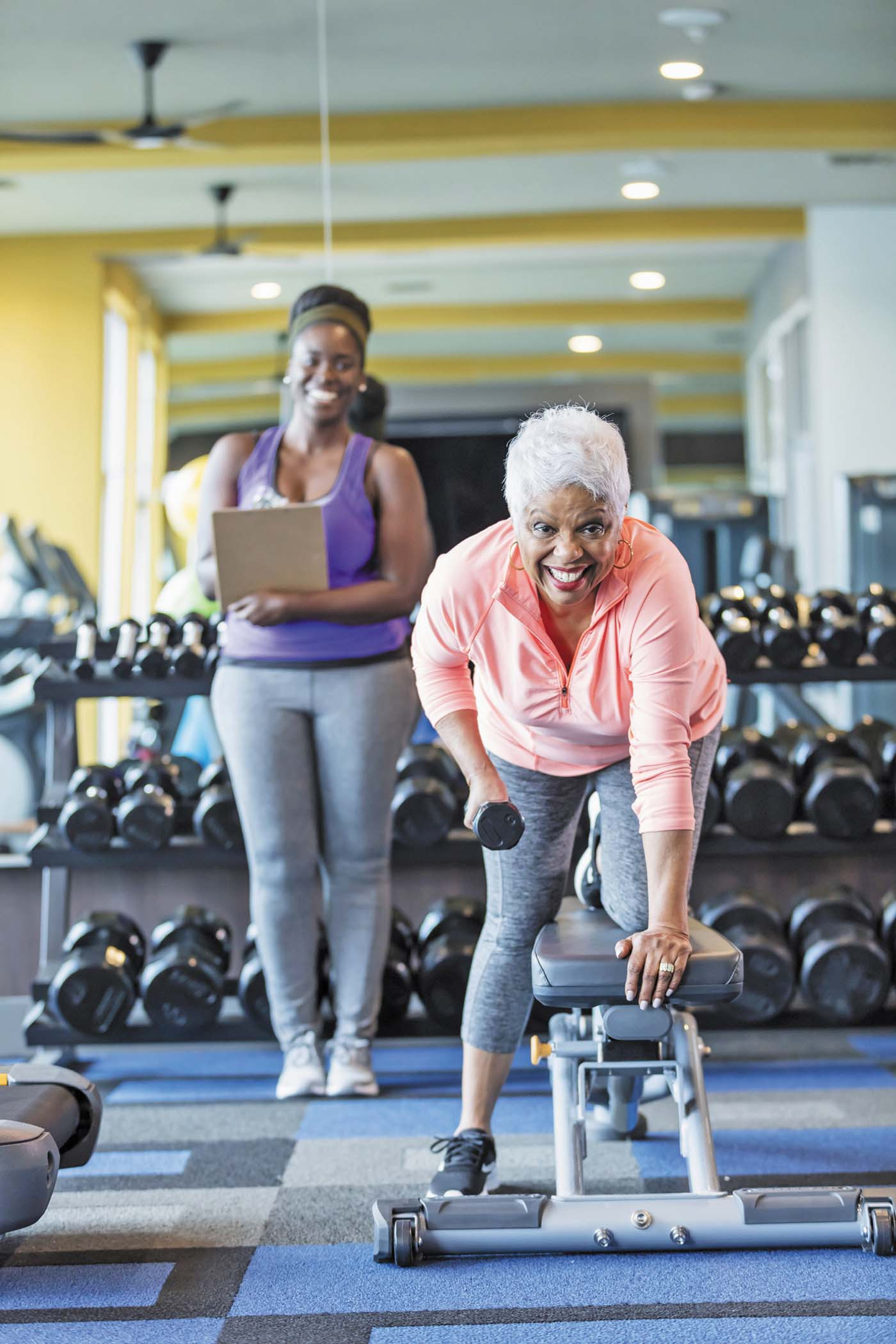
7 things your personal trainer wants you to know
It takes more than a weekly session with a personal trainer to maximize exercise benefits. Personal trainers recommend that people exercise in between training sessions; do strength training at the beginning of a workout; alternate the muscle groups that get a workout; challenge each muscle group with a variety of exercises; stretch regularly; eat a healthy diet to fuel the body; and exercise purposefully, with a strategic approach that moves them closer to their exercise goals.

Holiday joy can bring painful joint inflammation
Drinking excessive amounts of alcohol and feasting on foods high in natural compounds called purines may trigger gout in some people. Purine-rich foods that might be found on a holiday buffet include roast beef, brisket, lamb or pork chops, veal, chicken liver, turkey, trout, haddock, scallops, oysters, mussels, lobster, shrimp, or crab. While it's not necessary to completely shun alcohol and foods high in purines, doctors advise limiting them and sticking to a plant-based diet when possible, even during the holidays.

Why are my heels cracked?
Cracks in the heels occur when the skin on the bottom of the heel becomes hard and parched. Applying thick moisturizers often helps. If it doesn't, other causes may include athlete's foot, hypothyroidism, Sjogren's syndrome, or bone spurs in the heels.

People who walk more or walk faster live longer, study finds
Rosacea treatments: What works?
For sleep apnea, a dental device may be as effective as CPAP
Carb cycling: What is it, and does it work?
Understanding orthorexia: Have your healthy eating goals gone too far?
Melatonin or magnesium: Can either supplement help you sleep?
Salmonella, E. coli, Cyclospora, and other germs that cause food poisoning: What you need to know
Naturally gluten-free foods
Harvard study: Healthier fats linked to longer life after prostate cancer diagnosis
Shingrix shingles vaccine linked with lower heart disease risks
Free Healthbeat Signup
Get the latest in health news delivered to your inbox!
Sign Up
