

People who walk more or walk faster live longer, study finds

Rosacea treatments: What works?

For sleep apnea, a dental device may be as effective as CPAP

Carb cycling: What is it, and does it work?

Understanding orthorexia: Have your healthy eating goals gone too far?

Melatonin or magnesium: Can either supplement help you sleep?

Salmonella, E. coli, Cyclospora, and other germs that cause food poisoning: What you need to know

Naturally gluten-free foods

Harvard study: Healthier fats linked to longer life after prostate cancer diagnosis

Shingrix shingles vaccine linked with lower heart disease risks
Bones and joints Archive
Articles

Do more for your core
A strong core serves as the foundation for upper- and lower-body movements. It helps maintain a healthy posture and prevents back injuries and falls. Like all muscles, the core muscles weaken as people age, so it's important for people to do core exercises on a regular basis. The best core exercises are movements that activate as many of the core muscles as possible at one time. Some examples include planks, diagonal chops, and deadbugs.
Winter activity workarounds for hands that hurt
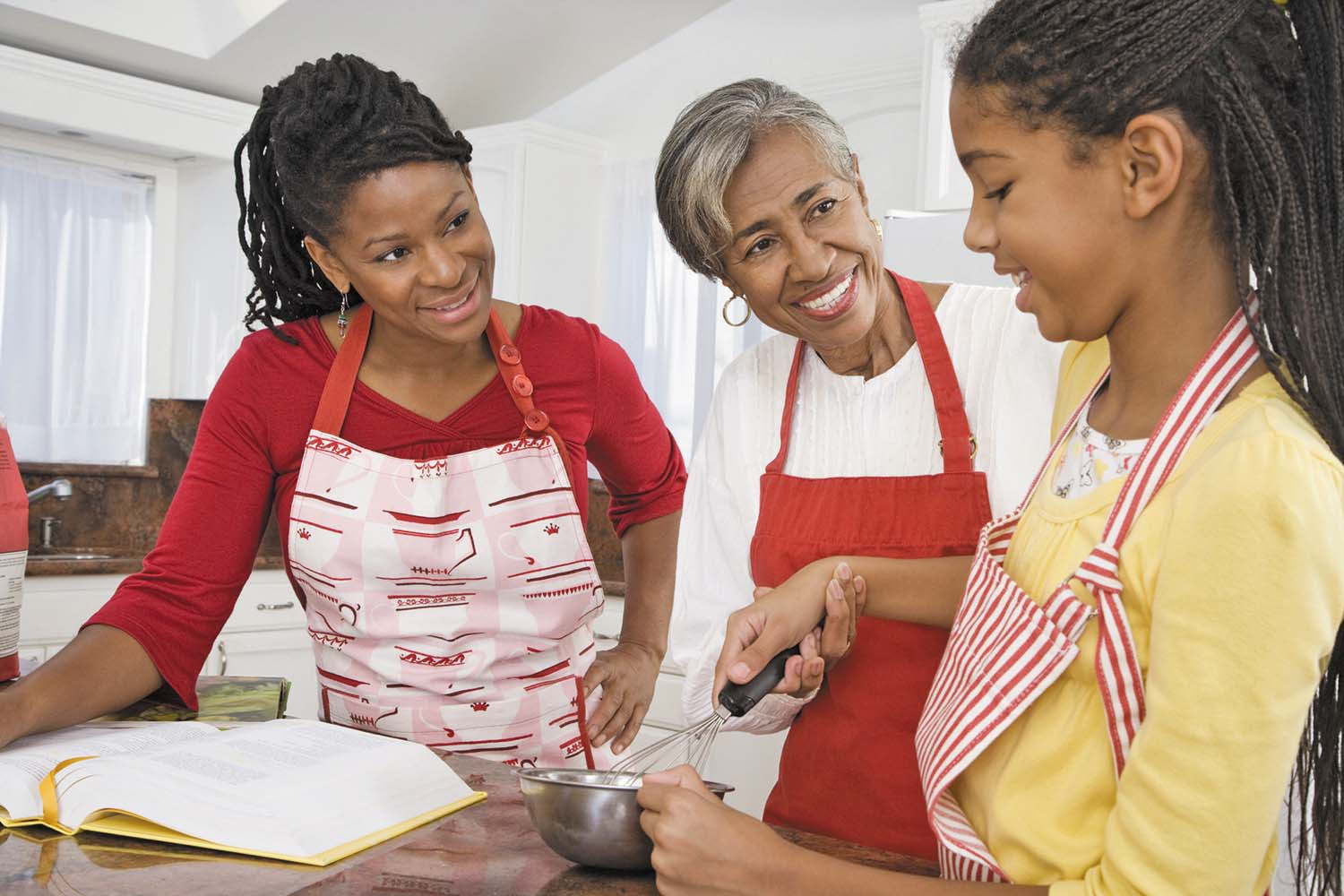
Hand arthritis makes it tough to do winter activities, such as preparing holiday feasts, shoveling snow, wrapping presents, or using walking or ski poles. It helps to plan out activities, break them up when possible, take lots of breaks, use tools to make the jobs easier, and enlist help if needed. For example, consider asking family and friends to assist with holiday meal prep, or hire a service to remove snow.

Why do I have white spots on my nails?
White spots on fingernails are common and have many possible causes. These include minor trauma to the fingers, wearing nail polish for prolonged periods, fungal infections, low iron levels, kidney disease, or liver cirrhosis.

The far-reaching effects of a little bit of weight loss
Losing 5% of one's total body weight can result in clinically significant physiologic changes. For example, losing a little weight can reduce heartburn, knee pain, blood pressure, and diabetes risk. Losing 5% of one's body weight may also lead to better sexual function, more restorative sleep, extra energy, and more self-esteem. To reach a 5% reduction in total body weight, it helps to exercise; eat a healthy diet rich in lean proteins, whole grains, fruits, vegetables, legumes, nuts, and seeds; and get enough sleep.

Pain conditions are more common in women
Women are disproportionately affected by conditions that cause chronic pain, but they sometimes have difficulty getting a definitive diagnosis as to what is causing their pain and may be less likely to receive appropriate treatments even when they do.

Higher BMI associated with greater odds of joint disease
A higher body mass index (BMI) is a major risk factor for osteoarthritis, but a 2023 study suggests it is also associated with inflammatory joint conditions including rheumatoid arthritis, psoriatic arthritis, gout, and inflammatory spondylitis.

For mellow movement that helps your heart, try tai chi
Tai chi is a gentle, adaptable practice that features flowing movements combined with breathing and cognitive focus. It may be especially helpful for people who are recovering from a heart attack or other medical problems or who have heart failure. Tai chi also can be a gateway to other types of physical activity because the practice may improve balance, reduce the risk of falls, and even help ease lower back pain—a common reason for avoiding exercise.

No bones about it
While the bone-weakening disease osteoporosis most often strikes women, about 6% of men ages 65 and older have it. Preventing osteoporosis and treating it if it occurs focuses on stopping or at least slowing bone loss. The main ways to do this are maintaining proper calcium and vitamin D levels and engaging in weight-bearing activities and exercises that help build muscle and improve balance. Raising low testosterone levels or taking a class of drugs known as bisphosphonates also may help.

Do these activities hurt your knees?
Certain activities like running, stair climbing, or kneeling may lead to knee pain. But evidence suggests that regular activity or exercise is unlikely to cause actual knee damage. Learn how to keep active and avoid knee pain.
People who walk more or walk faster live longer, study finds
Rosacea treatments: What works?
For sleep apnea, a dental device may be as effective as CPAP
Carb cycling: What is it, and does it work?
Understanding orthorexia: Have your healthy eating goals gone too far?
Melatonin or magnesium: Can either supplement help you sleep?
Salmonella, E. coli, Cyclospora, and other germs that cause food poisoning: What you need to know
Naturally gluten-free foods
Harvard study: Healthier fats linked to longer life after prostate cancer diagnosis
Shingrix shingles vaccine linked with lower heart disease risks
Free Healthbeat Signup
Get the latest in health news delivered to your inbox!
Sign Up
