

People who walk more or walk faster live longer, study finds

Rosacea treatments: What works?

For sleep apnea, a dental device may be as effective as CPAP

Carb cycling: What is it, and does it work?

Understanding orthorexia: Have your healthy eating goals gone too far?

Melatonin or magnesium: Can either supplement help you sleep?

Salmonella, E. coli, Cyclospora, and other germs that cause food poisoning: What you need to know

Naturally gluten-free foods

Harvard study: Healthier fats linked to longer life after prostate cancer diagnosis

Shingrix shingles vaccine linked with lower heart disease risks
Bones and joints Archive
Articles

The trouble with new drugs
After a drug is approved by the FDA, unexpected safety problems may be discovered. Depending on the level of concern, different safety warnings may be issued –– including a black box warning designed to call attention to serious or life-threatening side effects.

Pondering a new knee? Try this as you gear up for the decision
People with knee arthritis who don't feel ready for joint replacement can take a number of steps as they ponder the possibility. These include getting knee injections or wearing a brace to reduce pain, modifying activities (such as exercise) that aggravate knee pain, losing weight to take pressure off the knee joint, exercising more to help with weight control, seeking physical therapy, getting underlying health conditions under control, doing research about knee replacement, and talking to an orthopedic surgeon.

Seeing a surgeon?
A pre-surgery consultation with the surgeon can feel overwhelming. Many people are anxious and have questions about what's to come. Setting the right expectations on both sides can ease anxiety and help define a successful outcome.

Take arms against perplexing pain
Pain in the shoulder, elbow, or wrist without obvious injury is common. Possible causes include arthritis, bursitis, frozen shoulder, rotator cuff tear, tendinitis, or nerve compression in the carpal tunnel or the cubital tunnel. Home remedies include rest, ice, compression, or elevation; over-the-counter anti-inflammatory pain relievers; and devices such as a splint or brace. Other treatments include physical therapy or steroid injections. Surgery is usually a last resort.

Guide to starting a strength training program
Most men will lose about 30% of their muscle mass over their lifetimes, a natural process called sarcopenia. But no matter a man's age, he can still build and maintain muscle with strength training. Strength training consists of upper- and lower-body exercises using free weights, weight machines, resistance bands, or body weight. Hiring a personal trainer who can design an individual program and teach proper exercise techniques and form is an ideal first step for beginners and those returning to exercise.

The many ways exercise helps your heart
Aerobic and muscle-building exercises can trigger physiological changes that improve blood vessels and metabolism in ways that help prevent all the major risk factors that contribute to heart disease. These include high blood pressure, diabetes, obesity, and unhealthy cholesterol levels. Exercise can also improve mental health problems such as depression and stress, which are common but underrecognized risks for heart disease.

Vegetarian diet linked to more hip fractures in women
A 2022 study found that women ages 35 to 69 who ate vegetarian diets were significantly more likely to break a hip than peers who ate fish or meat. Vegetarians need to be sure they get adequate amounts of dietary protein, calcium, vitamin D, and other micronutrients to maintain bone health.

When the first step is the hardest
Women are twice as likely as men to develop plantar fasciitis, the most common cause of chronic heel pain. Pain is worst in the morning and eases over the course of the day. Older adults, some athletes, and people who are overweight or obese are likelier to develop plantar fasciitis. Mainstay treatments include stretches, medication, night splints, and supportive shoes. Emerging treatments include injections of botulinum toxin (Botox), platelet-rich plasma, or fat.

Muscle pain in statin users is probably not caused by the drug
While muscle pain is a possible side effect of taking statins, most discomfort is not caused by the drug, but most likely a "nocebo effect" where negative expectations can lead to perceived side effects.
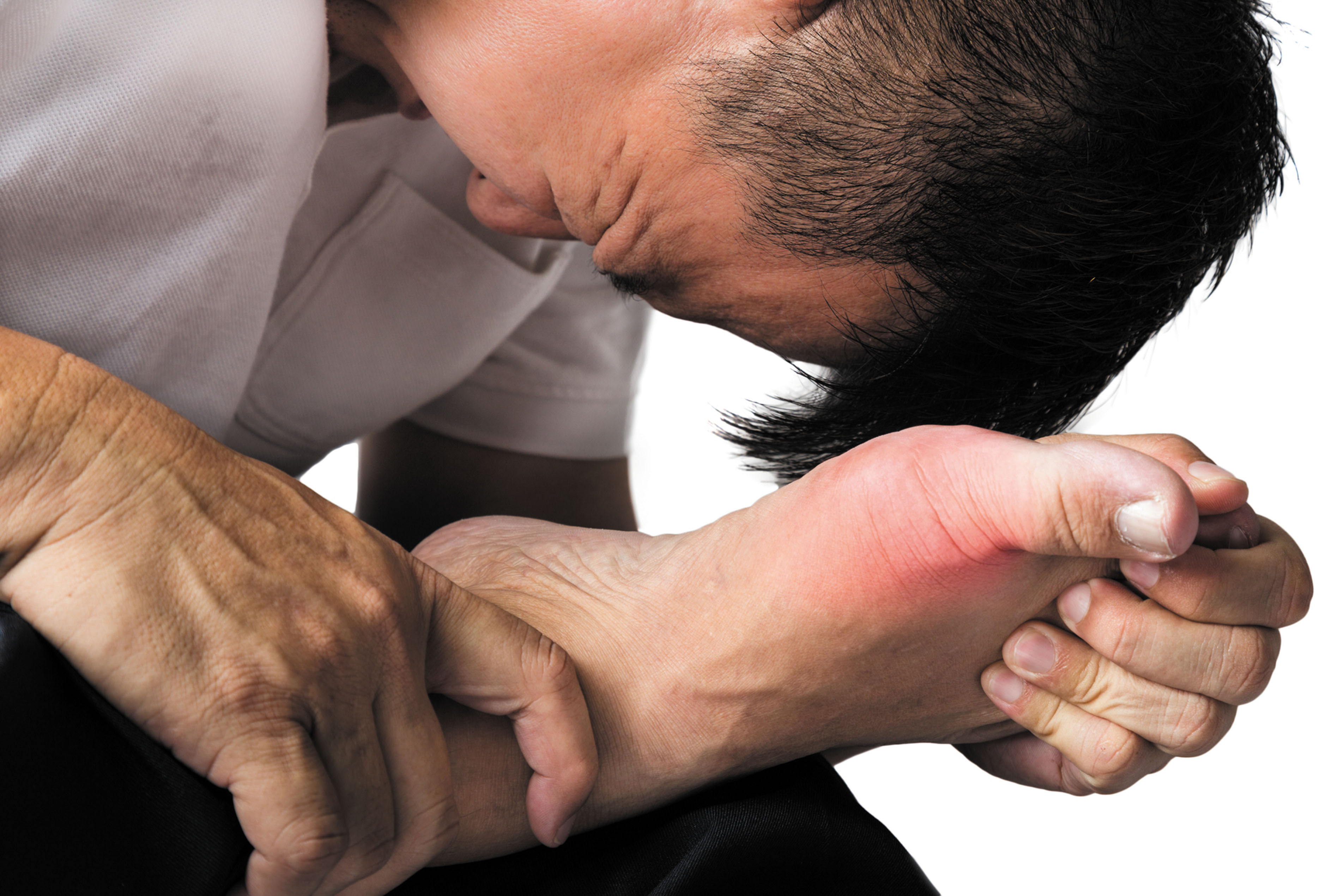
Gout linked with risk for heart attack and stroke
Gout strikes when too much uric acid builds up in the body and triggers severe pain, swelling, and redness in one or more joints, often in the big toe. New research suggests that an episode may increase the risk for a heart attack or stroke over the following two months.
People who walk more or walk faster live longer, study finds
Rosacea treatments: What works?
For sleep apnea, a dental device may be as effective as CPAP
Carb cycling: What is it, and does it work?
Understanding orthorexia: Have your healthy eating goals gone too far?
Melatonin or magnesium: Can either supplement help you sleep?
Salmonella, E. coli, Cyclospora, and other germs that cause food poisoning: What you need to know
Naturally gluten-free foods
Harvard study: Healthier fats linked to longer life after prostate cancer diagnosis
Shingrix shingles vaccine linked with lower heart disease risks
Free Healthbeat Signup
Get the latest in health news delivered to your inbox!
Sign Up
