

People who walk more or walk faster live longer, study finds

Rosacea treatments: What works?

For sleep apnea, a dental device may be as effective as CPAP

Carb cycling: What is it, and does it work?

Understanding orthorexia: Have your healthy eating goals gone too far?

Melatonin or magnesium: Can either supplement help you sleep?

Salmonella, E. coli, Cyclospora, and other germs that cause food poisoning: What you need to know

Naturally gluten-free foods

Harvard study: Healthier fats linked to longer life after prostate cancer diagnosis

Shingrix shingles vaccine linked with lower heart disease risks
Bones and joints Archive
Articles

Don't be the fall guy
Every second, someone age 65 or older suffers a fall, making it the No. 1 cause of injury-related death among this age group. The best way for older adults to protect themselves is to address the three main physical conditions that contribute to falls: weak stabilizer muscles, poor core strength, and balance issues. They can do this by improving their side-to-side motion through specific exercises and playing racquet sports, doing abdominal exercises, and practicing tai chi.

Engage your heart and brain, even when you're sitting
Sitting too much is bad for health. But there are ways to make time spent seated a little healthier. For example, people can keep their brains active by reading, writing, doing a hobby (such as knitting), or playing an instrument. And people can exercise while in a seated position. It's possible to do an aerobic workout that gets the heart and lungs pumping, such as a seated dance routine or calisthenics, as well as muscle-strengthening activities or stretching exercises.

Eating disorders in midlife
By age 40, one in five women has dealt with an eating disorder, twice the proportion of women known to be affected by age 21. Risks for anorexia, bulimia, and binge eating can rise at midlife due to job stressors, an empty nest, and dating again after divorce or widowhood. Health effects can include bone loss, heart problems, lung conditions, gastrointestinal issues, diabetes, and skin breakdown. Signs of an eating disorder include dramatic weight fluctuations, excessive exercising, and preoccupation with weight, calories, and body size and shape.
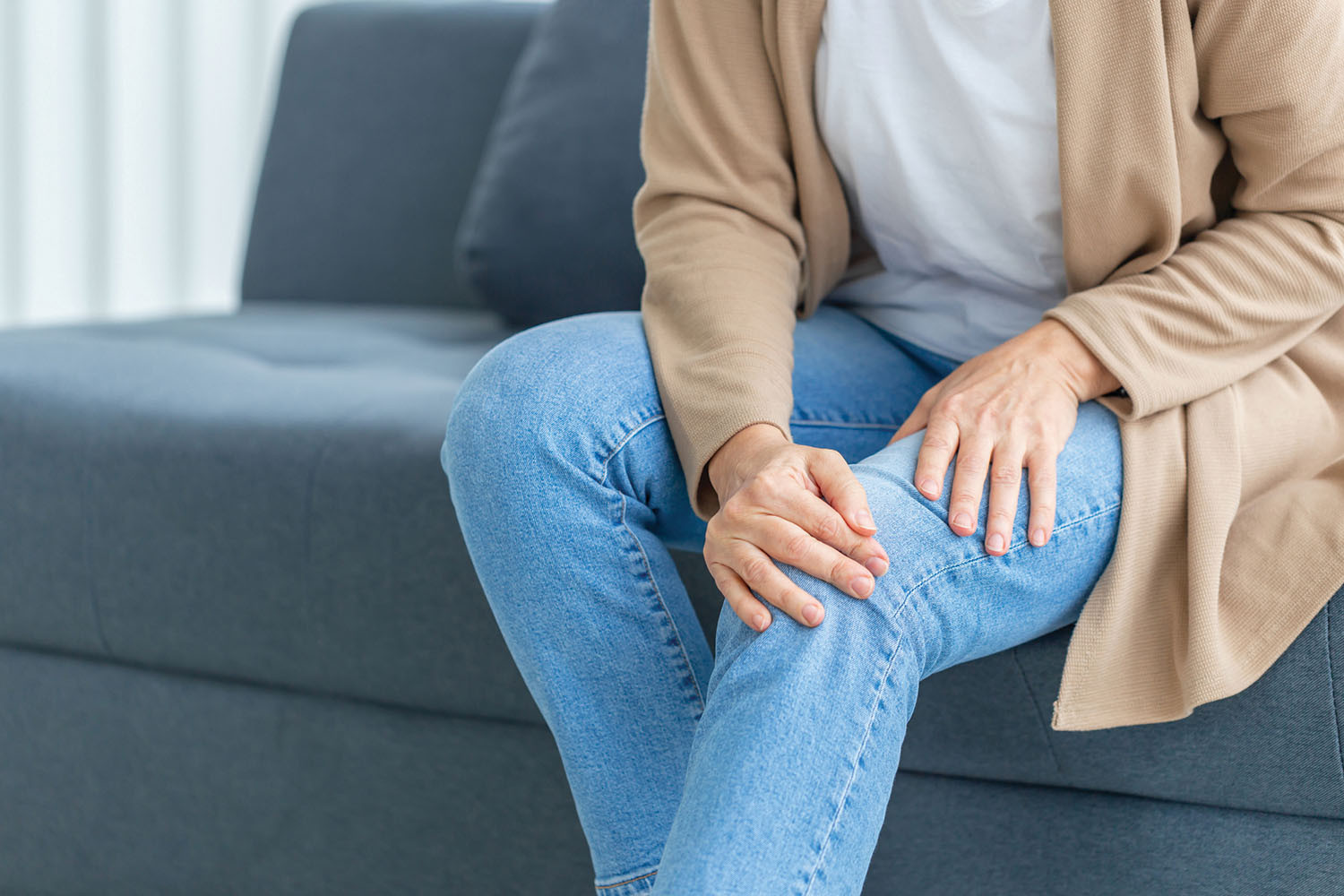
What triggers weather-related joint pain?
Many people say they feel joint pain that arrives with cold or damp weather. While research hasn't confirmed why, changes in barometric pressure can place pressure on joints that may lead to aches.

Physical therapy as good as surgery for healing knee meniscal tears
A 2022 study found that physical therapy works as well as surgery for degenerative meniscal tears in the knee, an injury related to tissue aging that can lead to osteoarthritis. This approach offers an alternative for people concerned about surgery's costs and possible complications.

Should I stop cracking my knuckles?
People may relieve anxiety by cracking knuckles or other joints. Usually it's a harmless habit, but people with joint problems like arthritis should refrain, since doing so might worsen symptoms.

Treatments for rheumatoid arthritis may lower dementia risk
Inflammation is the hallmark of rheumatoid arthritis, and is also thought to play a role in the development of dementia. Could the inflammation-suppressing medicines for RA lower risk of dementia? Some research points in that direction, but more is needed.

Get a lift from body-weight workouts
Body-weight exercises are ideal substitutes for regular workouts when people are short on time or looking to shake up their usual routine. These types of exercises are not only versatile—as they can be done anytime, anywhere, without any equipment— but they also help improve everyday movements by activating the smaller stabilizing muscles that sometimes get missed when a person uses gym machines or dumbbells.

Relieve low back pain with stretching
Stretching the muscles that support the spine can help alleviate persistent or recurring low back pain. The muscles to stretch include the erector spinae muscles along the spine, the iliopsoas muscles connecting the spine to the lower limbs, and the abdominal muscles in the front of the body that help prop up the torso. Other muscles that support the back include those in the front of the hips, back of the thighs, and buttocks. An example of a back stretch is lying on a bed and pulling the legs close to the chest for half a minute.
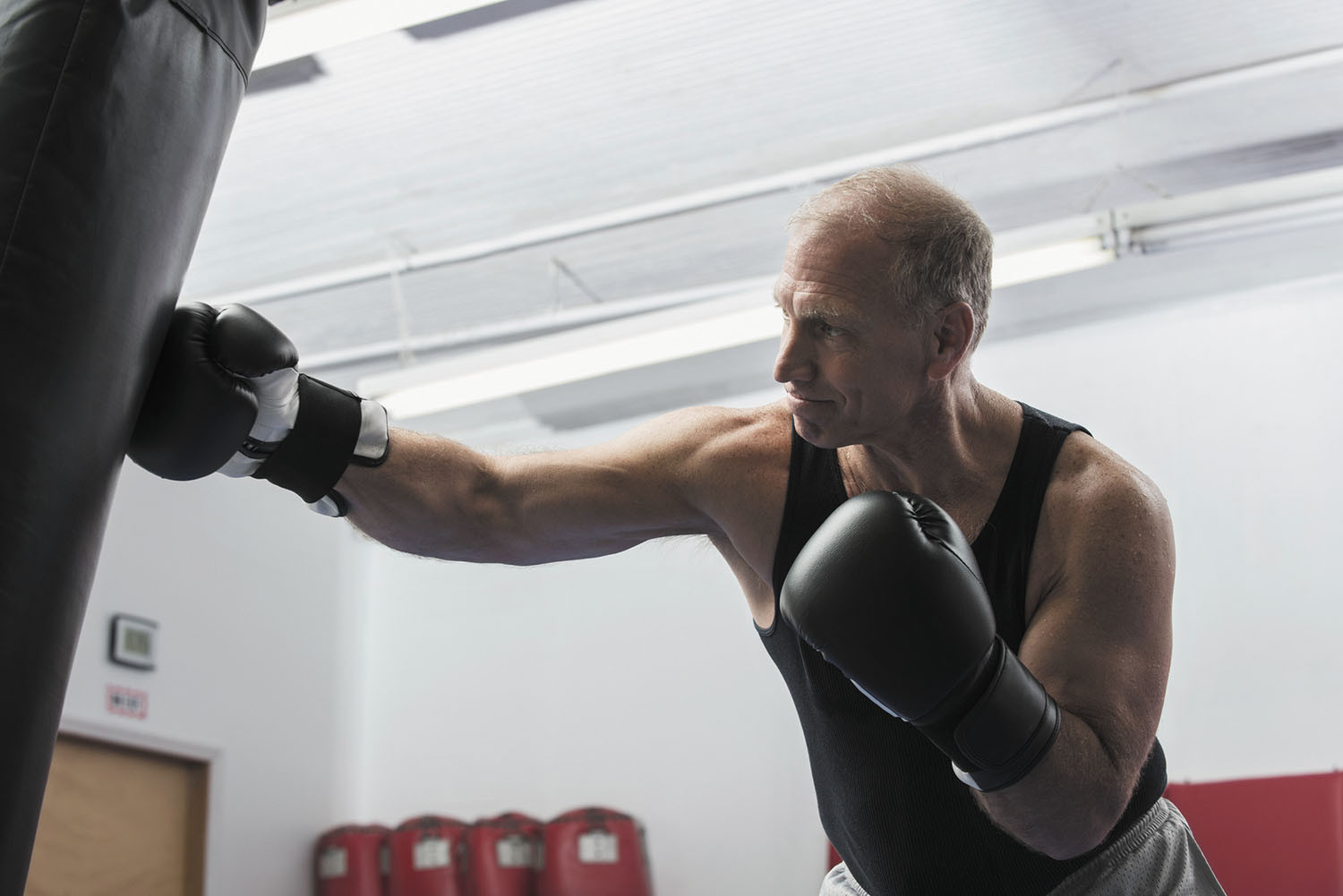
Punch up your fitness
Non-contact boxing has been shown to help many people with Parkinson's disease improve their balance, hand-eye coordination, mental focus, muscle strength, and body rhythm. Older adults also can benefit from this type of exercise, as they face many of the same physical and mental challenges as they age. Most boxing fitness workouts are done using punching bags and hitting oversized boxing mitts worn by coaches. The moves involve punches and sequences based on crosses, hooks, uppercuts, and jabs.
People who walk more or walk faster live longer, study finds
Rosacea treatments: What works?
For sleep apnea, a dental device may be as effective as CPAP
Carb cycling: What is it, and does it work?
Understanding orthorexia: Have your healthy eating goals gone too far?
Melatonin or magnesium: Can either supplement help you sleep?
Salmonella, E. coli, Cyclospora, and other germs that cause food poisoning: What you need to know
Naturally gluten-free foods
Harvard study: Healthier fats linked to longer life after prostate cancer diagnosis
Shingrix shingles vaccine linked with lower heart disease risks
Free Healthbeat Signup
Get the latest in health news delivered to your inbox!
Sign Up
