

People who walk more or walk faster live longer, study finds

For sleep apnea, a dental device may be as effective as CPAP

Rosacea treatments: What works?

Carb cycling: What is it, and does it work?

Salmonella, E. coli, Cyclospora, and other germs that cause food poisoning: What you need to know

Melatonin or magnesium: Can either supplement help you sleep?

Understanding orthorexia: Have your healthy eating goals gone too far?

Shingrix shingles vaccine linked with lower heart disease risks

Naturally gluten-free foods

Harvard study: Healthier fats linked to longer life after prostate cancer diagnosis
Bones and joints Archive
Articles

Injections for knee osteoarthritis might not cause damage
People with knee osteoarthritis often gain temporary pain relief from joint injections. However, there is uncertainty about long-term risks of steroid injections. A 2022 study suggests that the risk may be minimal if these injections are done infrequently.

You don't say? Cracking the code
Knuckle cracking doesn't "crack" a joint. The sound comes from gas bubbles bursting in the fluid inside the joint. While knuckle cracking is mostly harmless, other types of noises or the presence of pain can indicate a more serious joint problem.

Get a helping hand for pain
Osteoarthritis in the hand is a painful condition that is more common in women than in men. While this condition can be debilitating, a number of strategies can be used to manage it, including using various topical, oral, and injected pain medications; splinting the joint; making lifestyle changes; and working with a hand therapist. Surgery may be an option when other measures have failed to control symptoms.

Tips for choosing walking shoes
Experts suggest people replace their walking shoes every 300 to 500 miles. For the best selection and advice, people should consider shopping at a specialty running store that also sells walking shoes. Other tips for choosing comfortable, supportive shoes include looking for low-heeled shoes that bend easily at the ball of the foot and have wiggle room at the toes.

Staying one step ahead of toenail fungus
Toenail fungus is difficult to cure without resorting to oral treatments that can affect liver function. Topical treatment can improve nails' appearance.

5 common foot problems and how to cope with them
Many conditions affect the feet and can cause pain. Five common problems are bunions, fallen arches, hammertoes, ingrown toenails, and plantar fasciitis. Fortunately, there's a wide range of treatments for relief. New approaches include stretching the calf muscles to improve the way feet fit into orthotic insoles; shock-wave treatment for plantar fasciitis; and minimally invasive surgeries for bunions and hammertoes that involve small instruments and incisions. Tried-and-true therapies include soaking feet when an ingrown toenail causes pain, or wearing a splint at night for plantar fascitis.
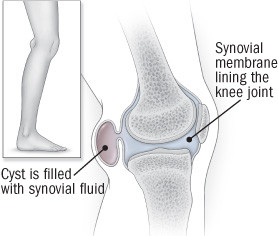
Ask the doctor: How do you treat a Baker's cyst?
I have a Baker's cyst in my right knee. It has been drained twice and recurred. Are there any other treatments for it?

On call: Causes of cold feet
Common causes of cold feet include clogged arteries in the legs (peripheral artery disease), low body fat, Raynaud's syndrome, and nerve damage.

Is it a heart attack?
The first-ever guidelines to diagnose chest pain document the range of possible heart attack symptoms. They include a sense of pressure, tightness, squeezing, or heaviness in the chest but also in the shoulders, arms, neck, back, upper abdomen, or jaw. The report also provides a road map to help doctors assess chest pain with selective use of the latest available tests. Chest discomfort can also result from other conditions that affect the heart (such as pericarditis) and nearby organs. These include acid reflux, muscle or joint issues, and lung problems.

Can platelet-rich plasma injections heal your joints?
Platelet-rich plasma injections are used to reduce pain and speed healing for a number of common problems that affect the tendons, muscles, and joints, ranging from arthritis to shoulder pain. But a growing body of research shows that they may not be effective for some conditions, including knee osteoarthritis, ankle osteoarthritis, and Achilles tendinitis. There is some evidence that it may be effective for lateral epicondylitis (tennis elbow). People should consider whether there is a better option before undergoing PRP injections.
People who walk more or walk faster live longer, study finds
For sleep apnea, a dental device may be as effective as CPAP
Rosacea treatments: What works?
Carb cycling: What is it, and does it work?
Salmonella, E. coli, Cyclospora, and other germs that cause food poisoning: What you need to know
Melatonin or magnesium: Can either supplement help you sleep?
Understanding orthorexia: Have your healthy eating goals gone too far?
Shingrix shingles vaccine linked with lower heart disease risks
Naturally gluten-free foods
Harvard study: Healthier fats linked to longer life after prostate cancer diagnosis
Free Healthbeat Signup
Get the latest in health news delivered to your inbox!
Sign Up
