

People who walk more or walk faster live longer, study finds

Rosacea treatments: What works?

For sleep apnea, a dental device may be as effective as CPAP

Carb cycling: What is it, and does it work?

Understanding orthorexia: Have your healthy eating goals gone too far?

Melatonin or magnesium: Can either supplement help you sleep?

Salmonella, E. coli, Cyclospora, and other germs that cause food poisoning: What you need to know

Naturally gluten-free foods

Harvard study: Healthier fats linked to longer life after prostate cancer diagnosis

Shingrix shingles vaccine linked with lower heart disease risks
Bones and joints Archive
Articles

The big chill
Many professional athletes and celebrities swear by the therapeutic benefits of ice bathing, which involves briefly immersing one's body in cold water. The science around possible health benefits is thin. Still, fans say the practice makes them feel mentally and physically invigorated and reduces muscle soreness. People can try ice baths by filling their tub with cold water and immersing themselves as completely as possible for several seconds to a few minutes.


Power your paddle sports with three great exercises
Like kayaking or canoeing, paddleboarding provides a serious workout. But before you head out on the water, you'll want to get some key muscle groups in shape, especially ones that probably have not been used much during winter.

Best treatments for this common finger problem
Doctors have three ways to treat Dupuytren's contracture, a condition that pulls one or more fingers toward the palm. A needle aponeurotomy breaks up the thick collagen tissue sticking to the tendons. A collagenase injection contains an enzyme that eats up and dissolves the collagen. Surgery involves the removal of the collagen tissue. With all three procedures, the condition can return. The procedure that's right for someone depends on the condition's severity and the location of the collagen.

The perception of pain
Most people experience occasional acute musculoskeletal pain as part of daily living, such as an injury caused by exercising or a minor household accident. Acute pain is short-term and often becomes manageable with home remedies and over-the-counter medication. However, when symptoms persist there is greater chance that it will become chronic pain, which lasts two to three months or longer. That's when medical advice is needed.


Dupuytren's contracture of the hand
One condition affecting the hands and fingers is Dupuytren's contracture, where one or more fingers become curled, making it difficult to perform everyday activities. Dupuytren's affects one in 20 Americans, so what do people need to know about it?
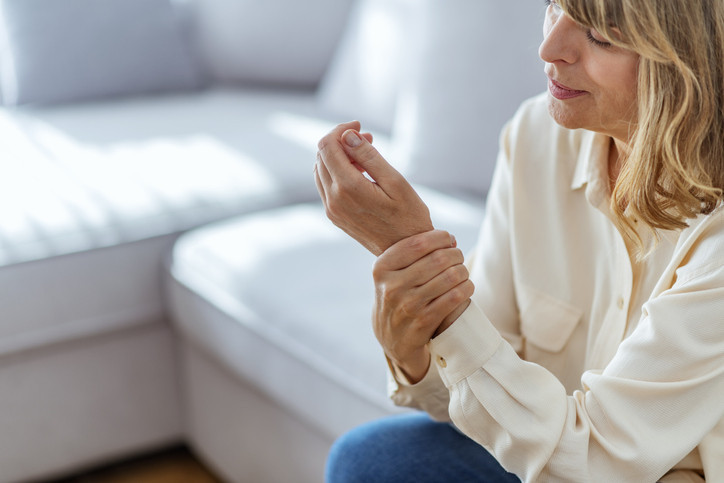
Remedies for hand cramps
The typical causes of cramps in the hands include dehydration and straining the muscles with repeated motions like typing. Low calcium or magnesium or a compressed nerve in the wrist may also cause cramping. Stretching the fingers may help.

What to do about bunions
A bunion is a deformity of the foot that causes the big toe to turn inward toward the other toes. This can result in damage to the other toes, calluses, and trouble walking.
People who walk more or walk faster live longer, study finds
Rosacea treatments: What works?
For sleep apnea, a dental device may be as effective as CPAP
Carb cycling: What is it, and does it work?
Understanding orthorexia: Have your healthy eating goals gone too far?
Melatonin or magnesium: Can either supplement help you sleep?
Salmonella, E. coli, Cyclospora, and other germs that cause food poisoning: What you need to know
Naturally gluten-free foods
Harvard study: Healthier fats linked to longer life after prostate cancer diagnosis
Shingrix shingles vaccine linked with lower heart disease risks
Free Healthbeat Signup
Get the latest in health news delivered to your inbox!
Sign Up
