

Whole grains may improve several heart risk factors at once

Light exposure at night may raise risk for heart disease

Children of centenarians may stay healthier and live longer too, study finds

A lumbar belt may help ease low back pain

Signs of pneumonia: Sometimes vague and unexpected

The surprising link between ovarian cancer and the fallopian tubes

Using a vibration plate: What it can — and can't — do for your body

People who walk more or walk faster live longer, study finds

Rosacea treatments: What works?

For sleep apnea, a dental device may be as effective as CPAP
Mental Health Archive
Articles


The Science of Pain Management - Longwood Seminar
We all experience pain in our lives, but can the cure be worse than the condition? In this seminar, Harvard Medical School experts explore the science of pain, the realities of prescription drug dependence and new discoveries and treatments that may lead to better, safer pain management.
Each spring, Harvard Medical School's Office of Communications and External Relations organizes a series of four free "mini-med school" classes for the general public in the heart of Boston's Longwood Medical Area. At the end of the seminar series, participants who attend three out of the four sessions receive a certificate of completion. Topics are selected for their appeal to a lay audience and have included the human genome, nutrition, sleep dynamics and health care access. Faculty from Harvard Medical School and its affiliate hospitals volunteer their time to present these lectures to the community.


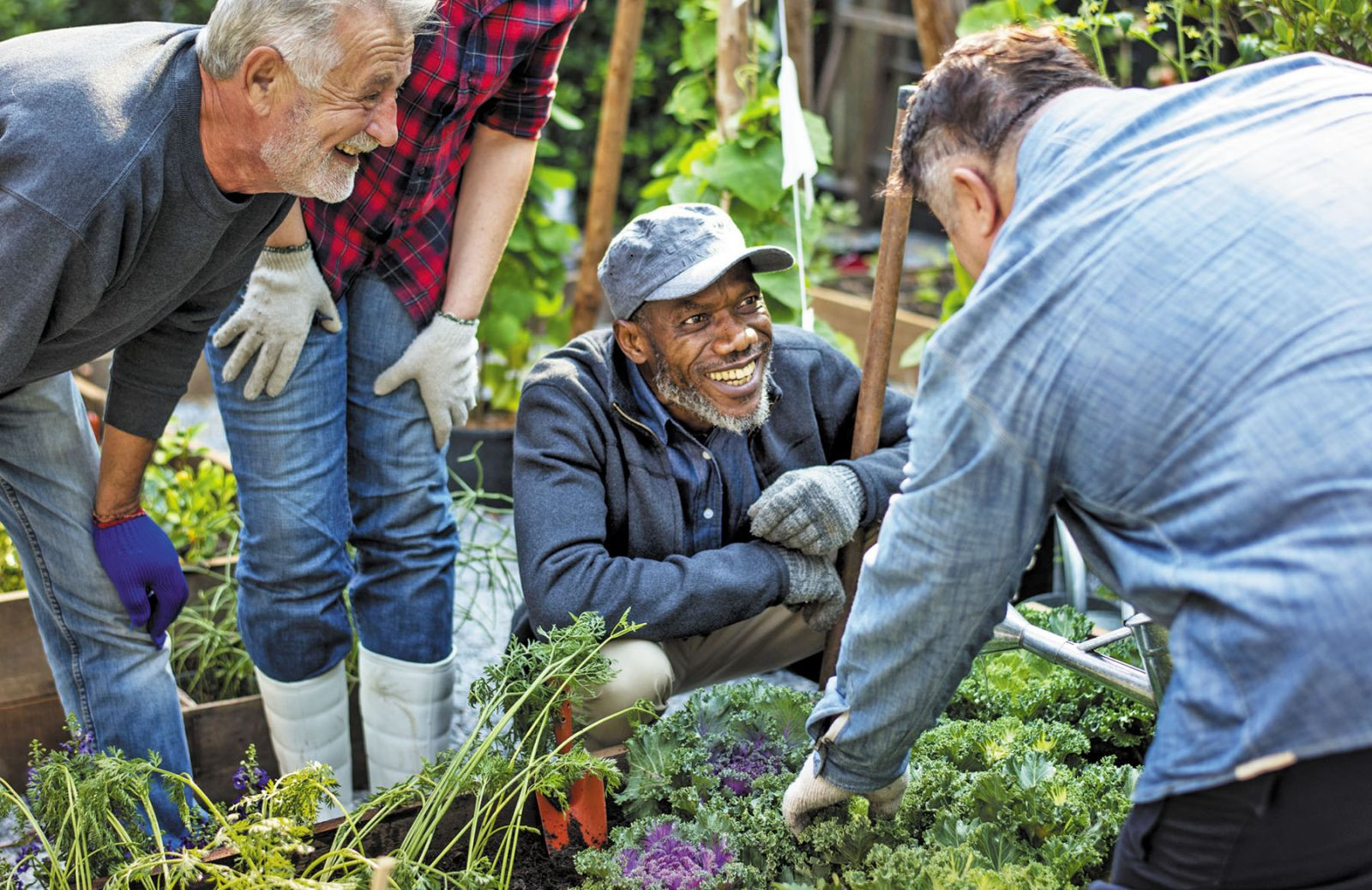
Working later in life can pay off in more than just income
Benefits such as mental stimulation and social engagement are associated with staving off chronic disease.
Image: © Rawpixel/Getty Images
Punching a time clock is still part of the regular routine for an increasing number of older adults. They're staying employed or going back to work, even though they're beyond the traditional retirement age of 65.
"For well over 100 years, men had been retiring at earlier and earlier ages. Something shifted in the 1990s, and they began working longer. The story for women is different. They weren't always in the labor force. But now we see employment rates rising for women at every age," says Nicole Maestas, an associate professor of health care policy at Harvard Medical School. She studies the economics of aging, health, and disability.

A personalized approach to preventing Alzheimer’s disease
These strategies may offer greater protection.
Image: © shapecharge/Getty Images
While there's no cure for Alzheimer's disease, ongoing research has suggested there may be ways to lower your risk.
"Much of the existing science supports how certain behavioral changes made in middle age can protect people as they grow older," says Dr. Kirk Daffner, director for the Center for Brain/Mind Medicine at Harvard-affiliated Brigham and Women's Hospital. "However, there is evidence that adopting certain healthy lifestyle habits can benefit older adults too."

Anxiety and physical illness
Understanding and treating anxiety can often improve the outcome of chronic disease, such as GI tract problems and heart disease.
With headlines warning us of international terrorism, global warming, and economic uncertainty, we're all likely to be a little more anxious these days. As an everyday emotion, anxiety — the "fight or flight" response — can be a good thing, prompting us to take extra precautions. But when anxiety persists in the absence of a need to fight or flee, it can not only interfere with our daily lives but also undermine our physical health. Evidence suggests that people with anxiety disorders are at greater risk for developing a number of chronic medical conditions. They may also have more severe symptoms and a greater risk of death when they become ill.
The anatomy of anxiety
Anxiety is a reaction to stress that has both psychological and physical features. The feeling is thought to arise in the amygdala, a brain region that governs many intense emotional responses. As neurotransmitters carry the impulse to the sympathetic nervous system, heart and breathing rates increase, muscles tense, and blood flow is diverted from the abdominal organs to the brain. In the short term, anxiety prepares us to confront a crisis by putting the body on alert. But its physical effects can be counterproductive, causing light-headedness, nausea, diarrhea, and frequent urination. And when it persists, anxiety can take a toll on our mental and physical health.

Should you carry the opioid overdose rescue drug naloxone?
The Surgeon General has issued an advisory recommending that people carry and know how to use naloxone, and although it is an effective treatment for overdose, it does not address the larger issues around the opioid crisis.
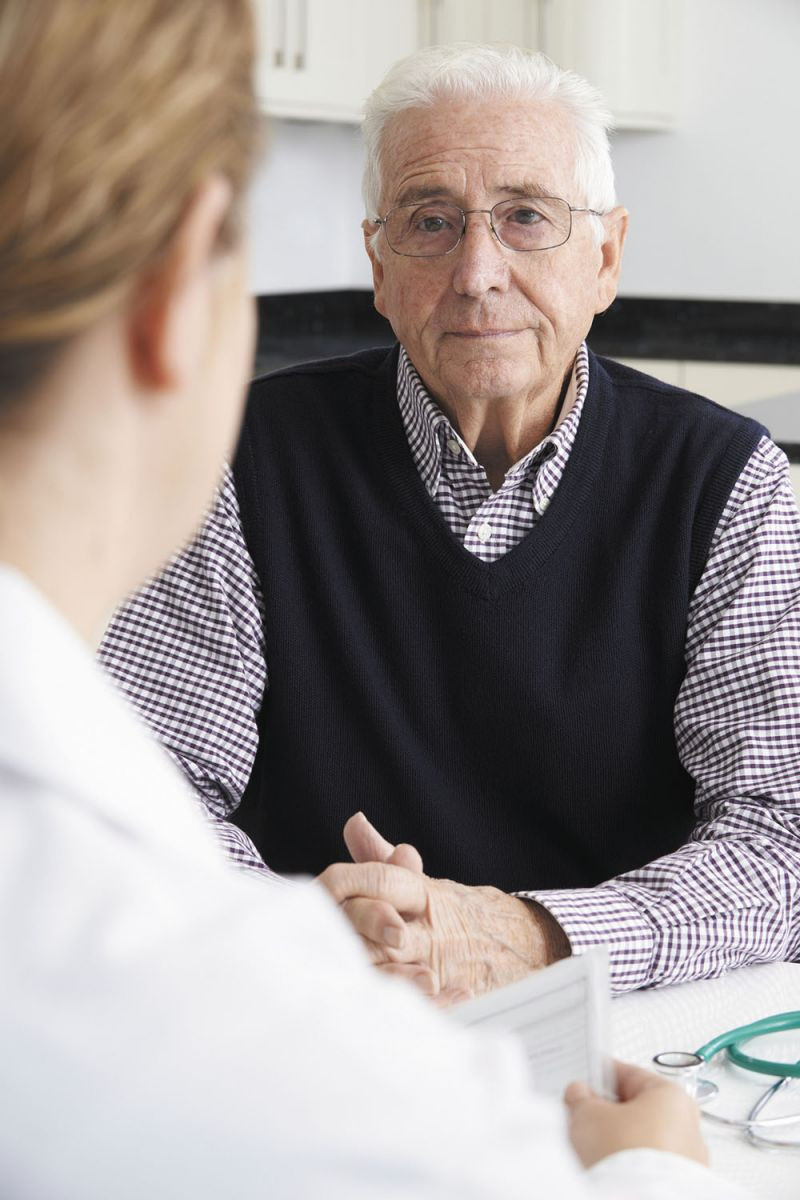
Dealing with a cancer diagnosis
Sometimes the emotional part of cancer is the toughest test.
Any kind of cancer diagnosis is life-changing. There suddenly are many decisions to make about treatments, possible surgery, and recovery. It can be a lot to deal with. But one part of the cancer process that often gets pushed aside is the psychological aspect — how do you manage the many emotions that come with it?
"The natural response to hearing 'cancer' is to feel a surge of anxiety and negative thoughts like 'I'm going to die,'" says Dr. John Peteet, head of the psychosocial oncology fellowship at the Harvard-affiliated Dana-Farber Cancer Institute. "Yet many men are reluctant to admit this and keep their feelings inside, so it's tough to know when they need help with this part of a cancer diagnosis."

The health benefits of writing your life story
Engaging your brain to write your memoirs can leave a recorded history for your descendants as it helps improve your cognitive fitness.
Image: © nzphotonz/Getty Images
As we grow older, there may be a tendency to feel less relevant to the people around us. We tend to withdraw as a result, and this isolation can lead to a greater risk of depression.
But here's an idea that will help you stay in the game as it helps your family better understand their own history. It's simple: write your life story.
Whole grains may improve several heart risk factors at once
Light exposure at night may raise risk for heart disease
Children of centenarians may stay healthier and live longer too, study finds
A lumbar belt may help ease low back pain
Signs of pneumonia: Sometimes vague and unexpected
The surprising link between ovarian cancer and the fallopian tubes
Using a vibration plate: What it can — and can't — do for your body
People who walk more or walk faster live longer, study finds
Rosacea treatments: What works?
For sleep apnea, a dental device may be as effective as CPAP
Free Healthbeat Signup
Get the latest in health news delivered to your inbox!
Sign Up
