

Whole grains may improve several heart risk factors at once

Light exposure at night may raise risk for heart disease

Children of centenarians may stay healthier and live longer too, study finds

A lumbar belt may help ease low back pain

Signs of pneumonia: Sometimes vague and unexpected

The surprising link between ovarian cancer and the fallopian tubes

Using a vibration plate: What it can — and can't — do for your body

People who walk more or walk faster live longer, study finds

Rosacea treatments: What works?

For sleep apnea, a dental device may be as effective as CPAP
Mental Health Archive
Articles

Alcohol and age: A risky combination
Most people drink less as they grow older. However, some maintain heavy drinking patterns throughout life, and some develop problems with alcohol for the first time during their later years. The many challenges that can arise at this stage of life — reduced income, failing health, loneliness, and the loss of friends and loved ones — may cause some people to drink to escape their feelings.
Several factors combine to make drinking — even at normal levels — an increasingly risky behavior as you age. Your ability to metabolize alcohol declines. After drinking the same amount of alcohol, older people have higher blood alcohol concentrations than younger people because of such changes as a lower volume of total body water and slower rates of elimination of alcohol from the body. That means the beer or two you could drink without consequence in your 30s or 40s has more impact in your 60s or 70s.

The ghost in the basement
A father struggles to understand the terrible course of his son’s heroin addiction and the loss of a child who eventually died from an accidental overdose.





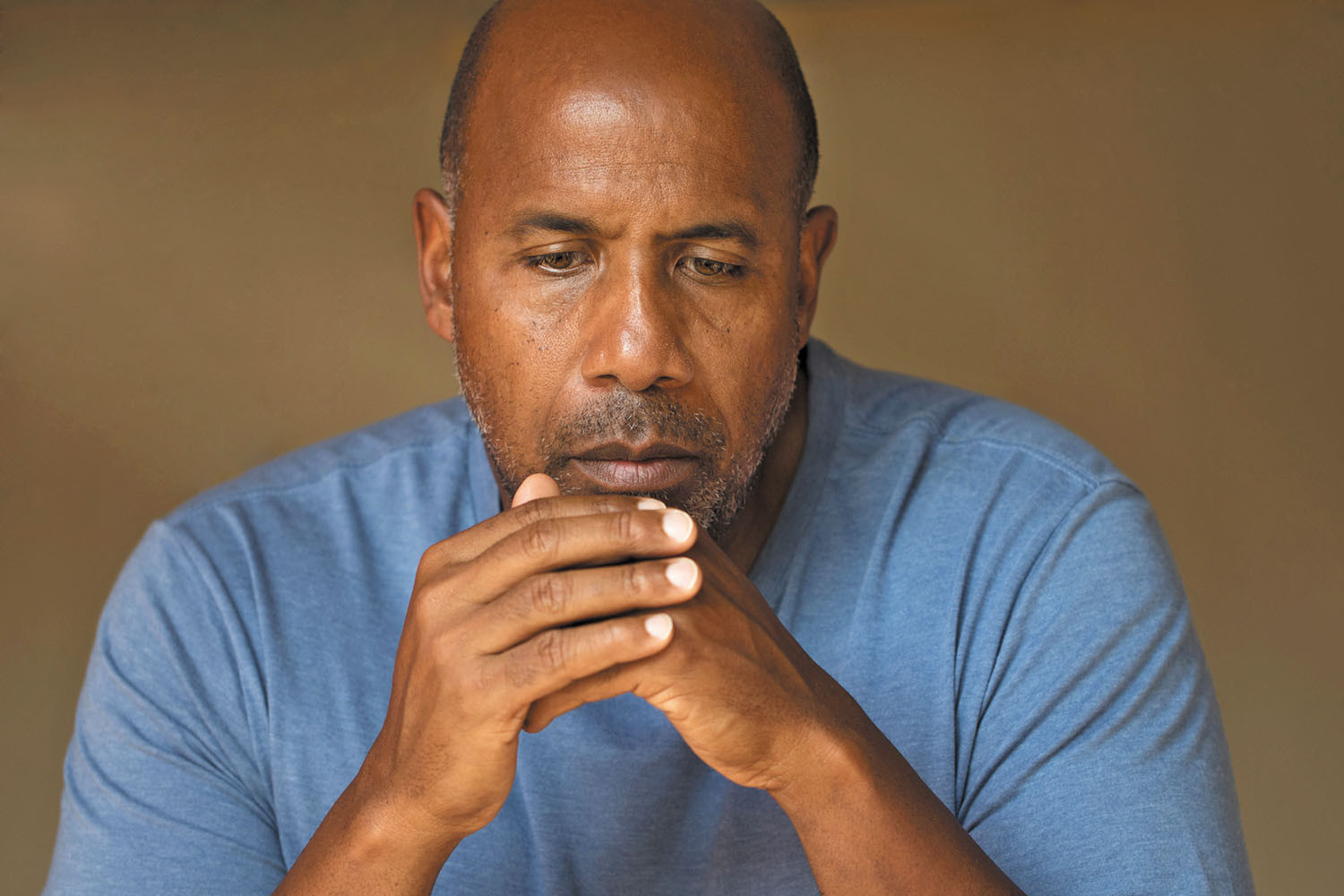
When worry becomes a problem
Feeling afraid about life issues is common as you age, but if it takes over your life, you may have generalized anxiety disorder (GAD).
Image: © pixelheadphoto/Thinkstock
Everyone feels afraid or worried at times, but if these feelings begin to take over your life, then you may have crossed over into generalized anxiety disorder (GAD), which is the most common anxiety disorder among older adults, according to the Anxiety and Depression Association of America (ADAA).
"The issue with many older men is they often just endure the discomfort of GAD, or think it's normal, and do not talk about the problem," says Dr. David Mischoulon, director of the Depression Clinical and Research Program at -Harvard-affiliated Massachusetts General Hospital. "However, left alone to manifest, GAD may lead to serious health problems, such as high blood pressure, depression, and addictive behavior like excessive drinking."

Trouble identifying odors may be an early sign of dementia
In the journals
Image: © Purestock/Thinkstock
If you have persistent trouble detecting or identifying odors, that may be an early sign of dementia, according to a study in the Sept. 25, 2017, Journal of the American Geriatrics Society. Almost 3,000 older adults, ages 57 to 85, who did not have dementia were asked to detect and identify five common odors like peppermint, fish, orange, rose, and leather. Five years later, the researchers found that almost half of those who performed poorly on the smell test (were either unable to detect the odors or unable to identify what the smells were) had been diagnosed with dementia. In comparison, 79% of those who scored high on the smell test did not have dementia.
The results only show an association between poor sense of smell and dementia, but the researchers noted that a smell test could be a simple way to identify high-risk people. It isn't clear how sense of smell and dementia may be linked, but the researchers speculated that underlying causes of dementia, like amyloid plaque buildup and tau tangles in the brain, also may affect the olfactory (sense of smell) system.
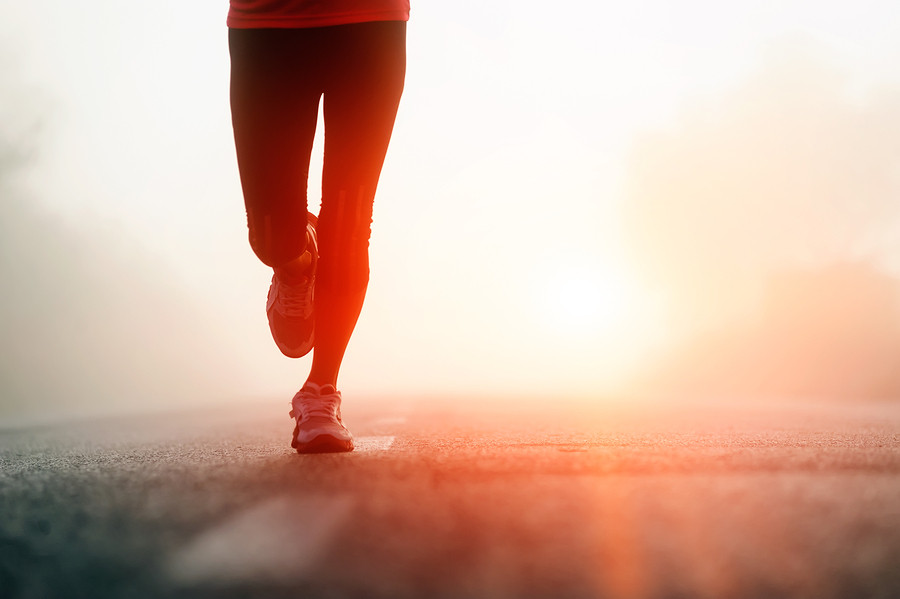
Exercise is an effective stress-buster
If exercise were available as a pill, experts say, everyone would be taking it. One reason is that exercise is very good at defusing stress. If you exercise — especially right when the stress response is triggered — you burn off stress hormones just as nature intended, instead of letting them pile up.
What's more, just about any form of motion on a regular basis helps relieve pent-up tension. Rhythmic, repetitive movements, such as walking, running, swimming, bicycling, and rowing — and specific types of exercise such as yoga, tai chi, and qigong — actually elicit the relaxation response, too. Regularly engaging in these kinds of activities can help you ward off everyday stress.
Whole grains may improve several heart risk factors at once
Light exposure at night may raise risk for heart disease
Children of centenarians may stay healthier and live longer too, study finds
A lumbar belt may help ease low back pain
Signs of pneumonia: Sometimes vague and unexpected
The surprising link between ovarian cancer and the fallopian tubes
Using a vibration plate: What it can — and can't — do for your body
People who walk more or walk faster live longer, study finds
Rosacea treatments: What works?
For sleep apnea, a dental device may be as effective as CPAP
Free Healthbeat Signup
Get the latest in health news delivered to your inbox!
Sign Up
