

Whole grains may improve several heart risk factors at once

Light exposure at night may raise risk for heart disease

Children of centenarians may stay healthier and live longer too, study finds

A lumbar belt may help ease low back pain

Signs of pneumonia: Sometimes vague and unexpected

The surprising link between ovarian cancer and the fallopian tubes

Using a vibration plate: What it can — and can't — do for your body

People who walk more or walk faster live longer, study finds

Rosacea treatments: What works?

For sleep apnea, a dental device may be as effective as CPAP
Mental Health Archive
Articles
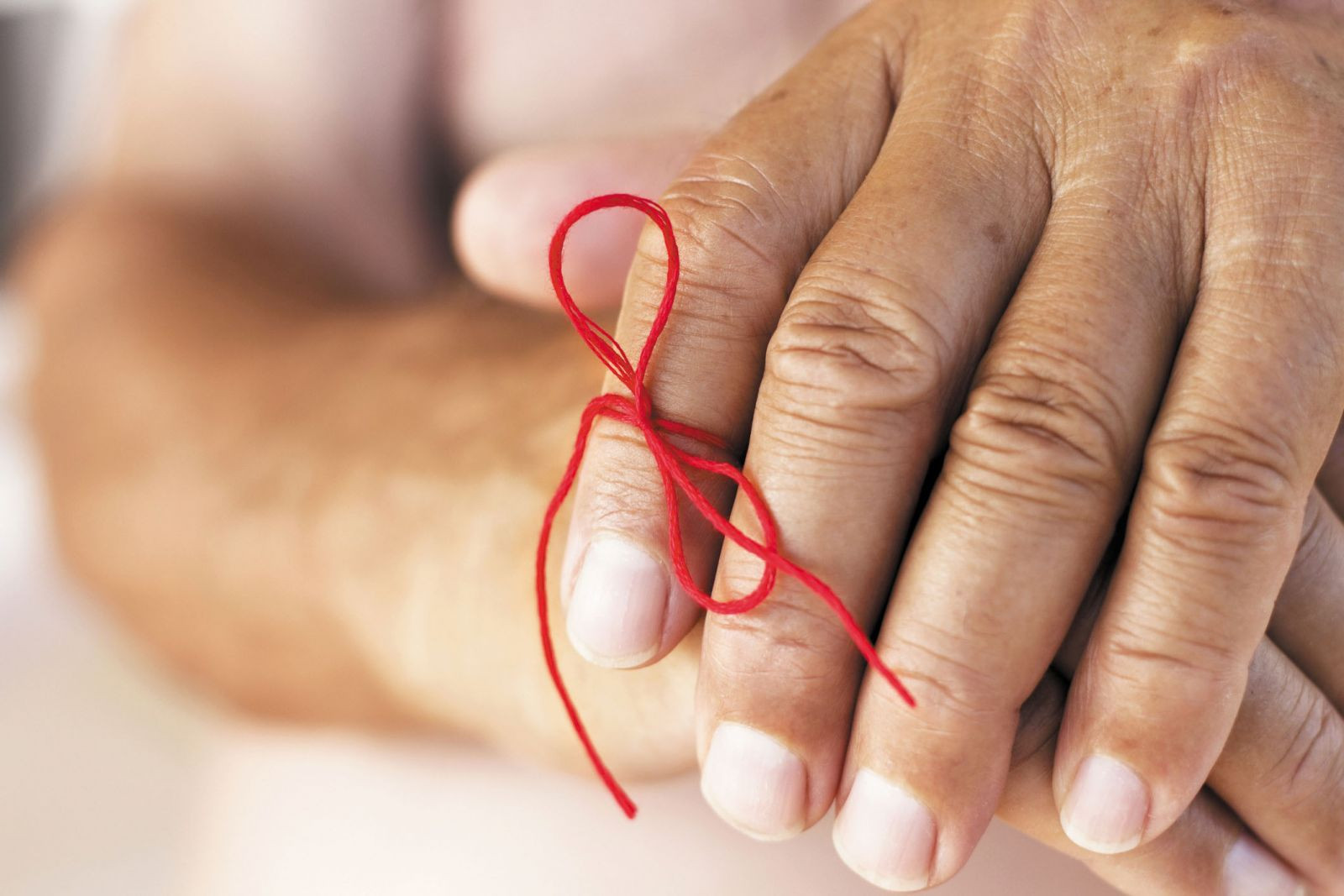
Forgetful? When to worry about memory changes
If you are noticing problems in yourself or a loved one, here's where to turn for help and support.
Image: © simarik/Getty Images
You're talking with a friend about a movie you saw recently, but can't remember the actor's name. Last week you found yourself upstairs, but couldn't remember what you came up to look for. Your keys are always missing. You worry: are these normal memory lapses or early signs of Alzheimer's disease or another form of dementia?
"Because there has been so much attention paid lately to the aging baby boomer population, I think Alzheimer's disease is getting a lot of attention, which is leading a lot of people to believe they may have the condition," says Dr. Suzanne Salamon, associate chief of the gerontology division at Beth Israel Deaconess Medical Center and assistant professor of medicine at Harvard Medical School.




Mindfulness can improve heart health
Research suggests a regular meditation practice could protect against heart disease. Here's how to begin one.
Image: © Wavebreakmedia Ltd/Thinkstock
What's good for the mind also tends to be good for the heart.
The mind-calming practice of meditation may play a role in reducing your risk of heart disease, according to a scientific statement published in the Sept. 28, 2017, Journal of the American Heart Association.

Finding purpose in life
You may no longer play the role of breadwinner and family man, but there are still ways to stay engaged with life.
Image: © Ildo Frazao/Thinkstock
For most of their adult lives, men are defined by what they do and how they do it, from their chosen career to their role in the family. However, as you age, you can lose your once-defined sense of purpose — the desire to pursue goals, feel life is worth living, and have a general enthusiasm for living.
You retire, the nest empties out, and you may have accomplished most of your personal and professional goals. "What do I do for the rest of my life?" becomes a nagging question.

Antidepressants not always effective in people with chronic disease
In the journals
Some antidepressants may not offer much relief for people who battle both depression and a chronic disease, according to research in the Nov. 21, 2017, Journal of the American Medical Association.
Nearly half of Americans live with a chronic condition, according to the CDC, and many also suffer from depression, including more than half of Parkinson's disease patients, 41% of cancer patients, and more than 25% of those with diabetes.

Is your drinking becoming a problem?
Here are some signs of an alcohol use disorder — and ways to find the help you need if you suspect you're drinking too much.
Image: © Thomas Northcut/Thinkstock
The thought of hangovers and binge drinking may conjure an image of a college-age student or a 20-something out on the town. But increasingly, those terms apply to people who probably look a lot like you.
Alcohol use problems often start innocently enough in older women. A problem may begin with a drink at night to combat insomnia, says Dr. Olivera Bogunovic, assistant professor of psychiatry at Harvard Medical School. But then one drink turns into two, and a 9 p.m. cocktail turns into all-day drinking, she says.

Whole grains may improve several heart risk factors at once
Light exposure at night may raise risk for heart disease
Children of centenarians may stay healthier and live longer too, study finds
A lumbar belt may help ease low back pain
Signs of pneumonia: Sometimes vague and unexpected
The surprising link between ovarian cancer and the fallopian tubes
Using a vibration plate: What it can — and can't — do for your body
People who walk more or walk faster live longer, study finds
Rosacea treatments: What works?
For sleep apnea, a dental device may be as effective as CPAP
Free Healthbeat Signup
Get the latest in health news delivered to your inbox!
Sign Up
