

Whole grains may improve several heart risk factors at once

Light exposure at night may raise risk for heart disease

Children of centenarians may stay healthier and live longer too, study finds

A lumbar belt may help ease low back pain

Signs of pneumonia: Sometimes vague and unexpected

The surprising link between ovarian cancer and the fallopian tubes

Using a vibration plate: What it can — and can't — do for your body

People who walk more or walk faster live longer, study finds

Rosacea treatments: What works?

For sleep apnea, a dental device may be as effective as CPAP
Mental Health Archive
Articles

Navigating the holidays in recovery
While the holiday season is a time of festivities and reconnecting with family, for people in recovery from substance use disorders, these specific situations and events can be especially stressful. For them it’s crucial to plan ahead and to make sure recovery remains the priority at all times.


Holiday for one?
Get through the season on your own by changing your perspective, creating new traditions, and reaching out to others.
Image: © verbaska_studio/Thinkstock
The holidays are traditionally a time for family and friends. But plenty of people find themselves alone at this time of the year, especially older adults who live by themselves, are unable to drive, or live far from grown children. "I think it's probably hardest for people who have recently lost a loved one," says Dr. Suzanne Salamon, associate chief of gerontology at Harvard-affiliated Beth Israel Deaconess Medical Center.
Emotional impact
A number of emotions may creep in when you face holidays alone. One is pressure to make the holiday an event. "There's a feeling that it's supposed to be a celebration. That may be stressful if you have no one to celebrate with," says Dr. Elyse Park, director of behavioral health research at the Harvard-affiliated Benson-Henry Institute for Mind Body Medicine.

What to do about mild cognitive impairment
MCI can be tough to identify, but there may be ways to postpone, and possibly prevent, its impact on memory and thinking.
Everyone has the occasional bout of forgetfulness, whether it's misplacing your keys or blanking out on a name. But if these episodes become frequent or interfere with daily life, you may have mild cognitive impairment, or MCI.
MCI falls somewhere between the usual cognitive decline of normal aging and the more serious signs of dementia and Alzheimer's disease. An estimated 10% to 20% of adults older than 65 have MCI, according to the Alzheimer's Association. But this gray area of brain health is often difficult to detect.

Staying connected can improve your health
Try these strategies to help you fill your social calendar.
Image: © Mike Watson Images/Thinkstock
In an effort to ward off the loneliness that followed his wife's death, a 94-year-old man in Minnesota decided to install a swimming pool in his back yard for the neighborhood children. His back yard is now a hub of activity in the summer, filled with laughter, splashing children, and their parents and grandparents. And he's no longer alone.
While not everyone would be willing to go to such extreme lengths to make social connections, contact with other people should still be a top priority. Chronic loneliness does more than just make you bored; it can actually harm your health.

7 ways to prevent holiday stress — for your children
While the holiday season brings excitement and activity, it also creates stress for many people, and that can affect children too. With some thought and planning, parents can make the holidays more enjoyable for their kids and themselves.

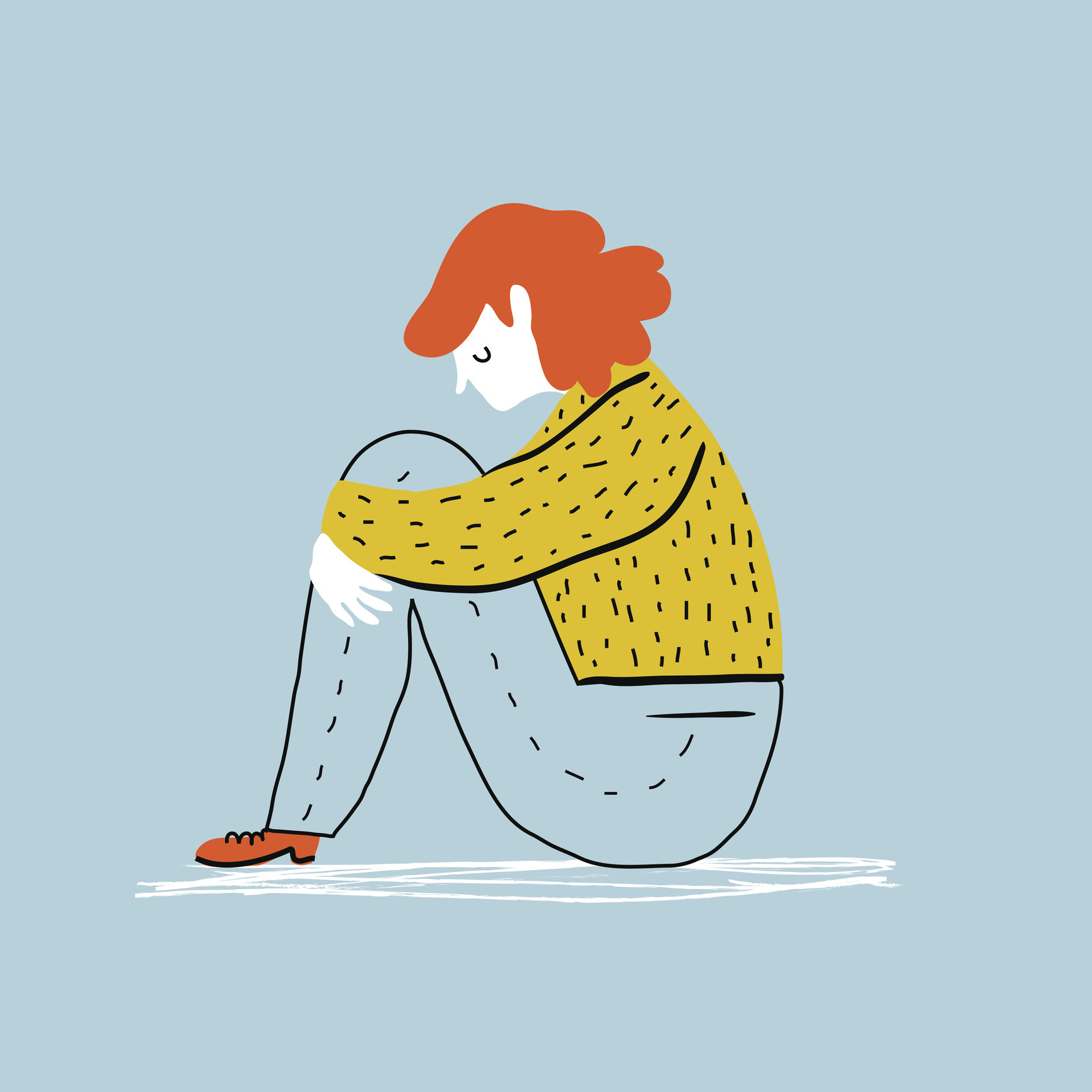
Addiction, the opioid crisis, and family pain
The changes in understanding around substance use disorders are making treatment more readily available to those who need it and reducing the stigma attached to addiction, but may make those with addiction in their family history feel that the change has come too late for them.
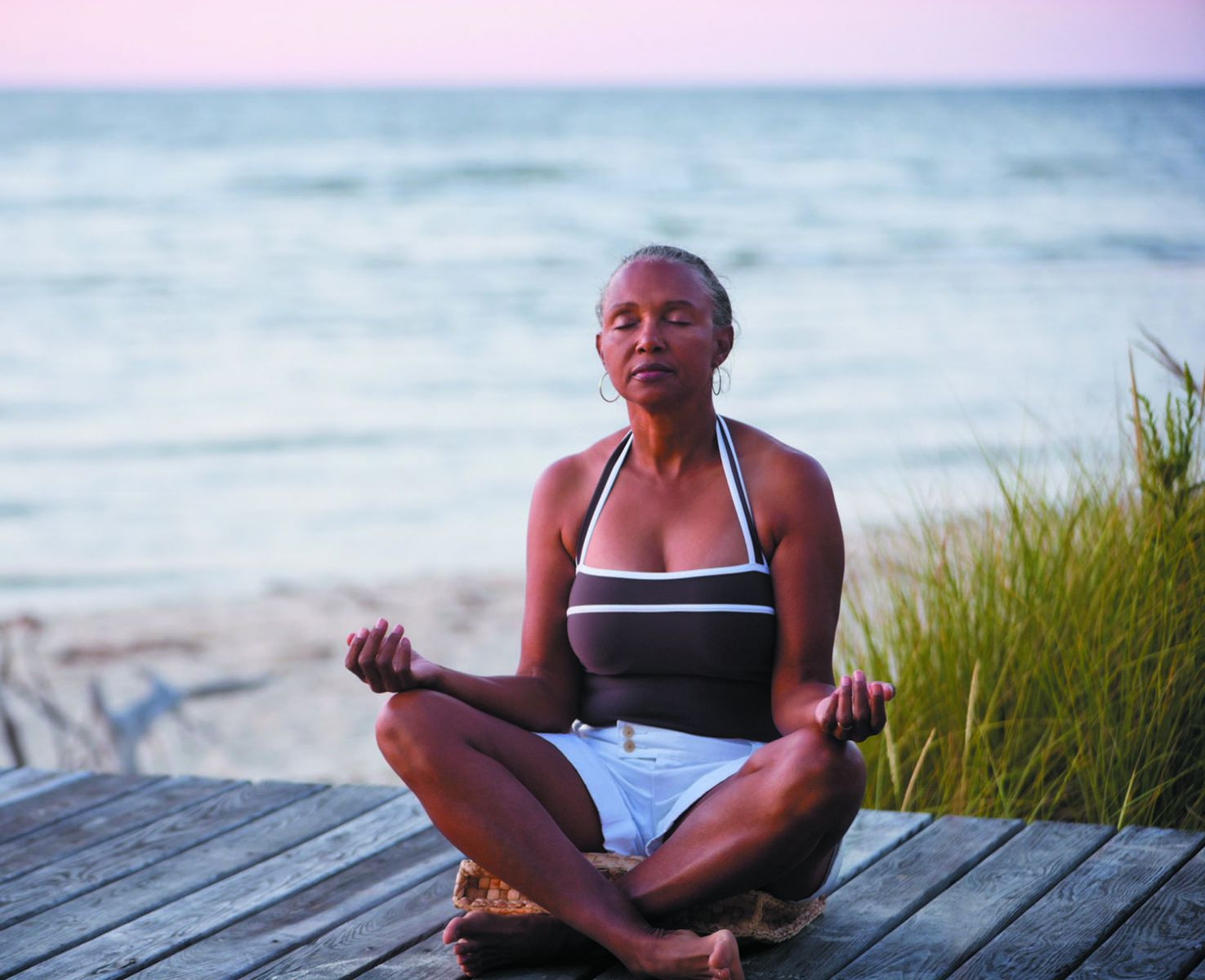
Ramp up your resilience!
Being resilient is a skill you can learn and sharpen, and it's never too late to give it a try.
Image: © Ariel Skelley/Thinkstock
The ability to bounce back from stress or adversity is important throughout life, especially in our older years. That's when we face many transitions, such as health problems; job, income, and home changes; the loss of loved ones; and isolation or separation from friends, grown children, and grandchildren. How we adjust to these changes helps determine what life will look like moving forward. "Many people are living longer, and we want to make the most of these years so people can thrive," says Laura Malloy, the Successful Aging program director at the Harvard-affiliated Benson-Henry Institute for Mind Body Medicine.
The benefits of resilience
Coping with stress in a positive way is known as resilience, and it has many health benefits. It's associated with longevity, lower rates of depression, and greater satisfaction with life. "There's a sense of control, and it helps people feel more positive in general," Malloy says.

The pursuit of happiness
Research has associated increased happiness with longevity and a lower risk of illness. But can you make yourself happier?
What is the secret to happiness? The answer may be simpler than you think. Most of our ability to be happy is based on genes — some people are just naturally happier than others. But research suggests that 40% of people's happiness comes from the choices they make.
"The idea that you can't be happier is false," says Dr. Robert Waldinger, director of the longest-running study on happiness, the Harvard Study on Adult Development. "We now know a great deal about what does and does not contribute to wellbeing and happiness."
Whole grains may improve several heart risk factors at once
Light exposure at night may raise risk for heart disease
Children of centenarians may stay healthier and live longer too, study finds
A lumbar belt may help ease low back pain
Signs of pneumonia: Sometimes vague and unexpected
The surprising link between ovarian cancer and the fallopian tubes
Using a vibration plate: What it can — and can't — do for your body
People who walk more or walk faster live longer, study finds
Rosacea treatments: What works?
For sleep apnea, a dental device may be as effective as CPAP
Free Healthbeat Signup
Get the latest in health news delivered to your inbox!
Sign Up
