

Whole grains may improve several heart risk factors at once

Light exposure at night may raise risk for heart disease

Children of centenarians may stay healthier and live longer too, study finds

A lumbar belt may help ease low back pain

Signs of pneumonia: Sometimes vague and unexpected

The surprising link between ovarian cancer and the fallopian tubes

Using a vibration plate: What it can — and can't — do for your body

People who walk more or walk faster live longer, study finds

Rosacea treatments: What works?

For sleep apnea, a dental device may be as effective as CPAP
Mental Health Archive
Articles
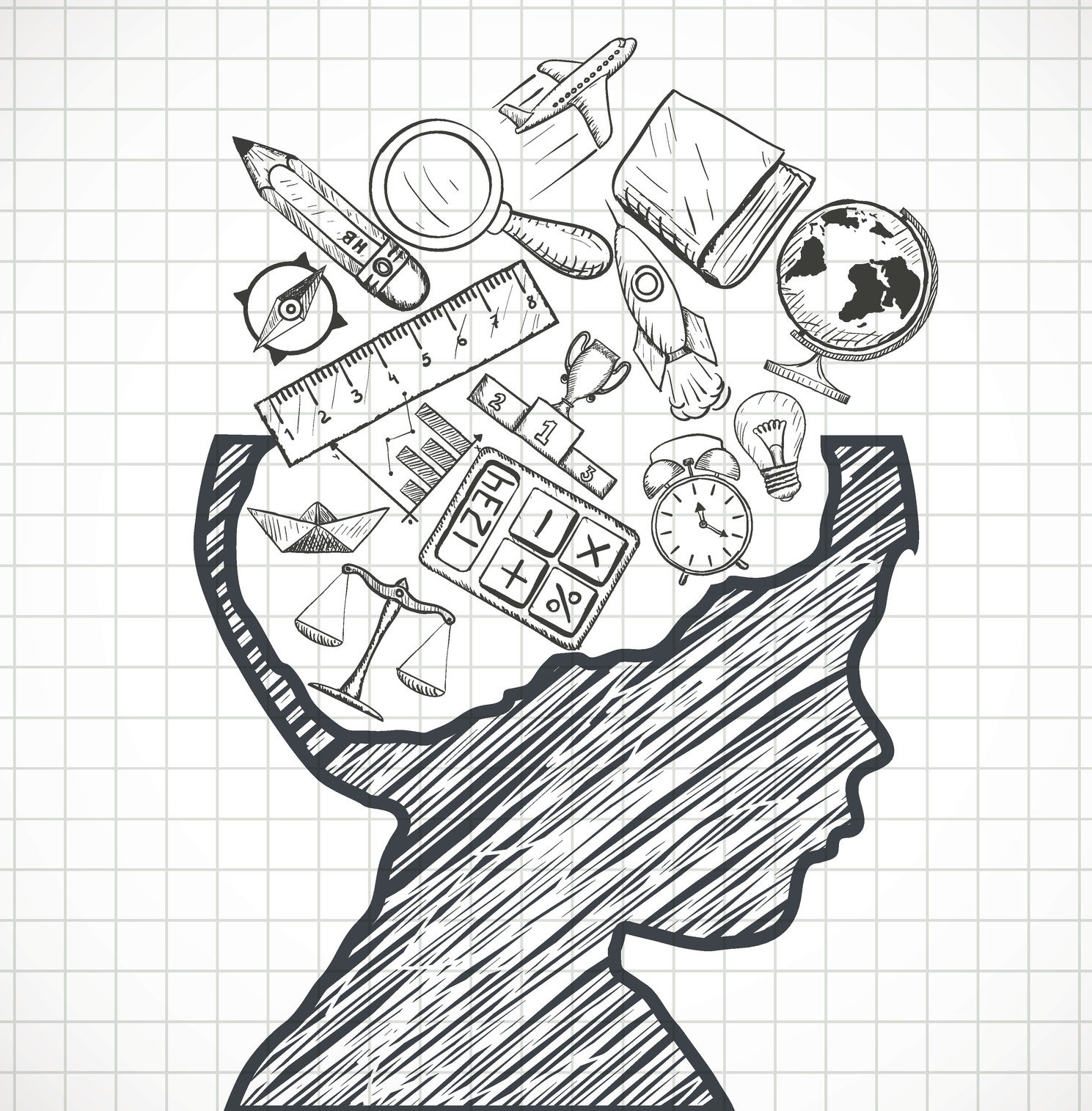
5 things parents and teachers need to know about ADHD
As many as 10% of children in the US have attention deficit hyperactivity disorder, creating challenges for them as well as teachers, classmates, and family members. Understanding the condition is crucial to treating it successfully.


The secret to happiness? Here’s some advice from the longest-running study on happiness
While it’s true that one’s inclination to happiness is partially inherited, an individual’s choices and behaviors also contribute significantly, and research has found that the happiest people all have certain traits in common.
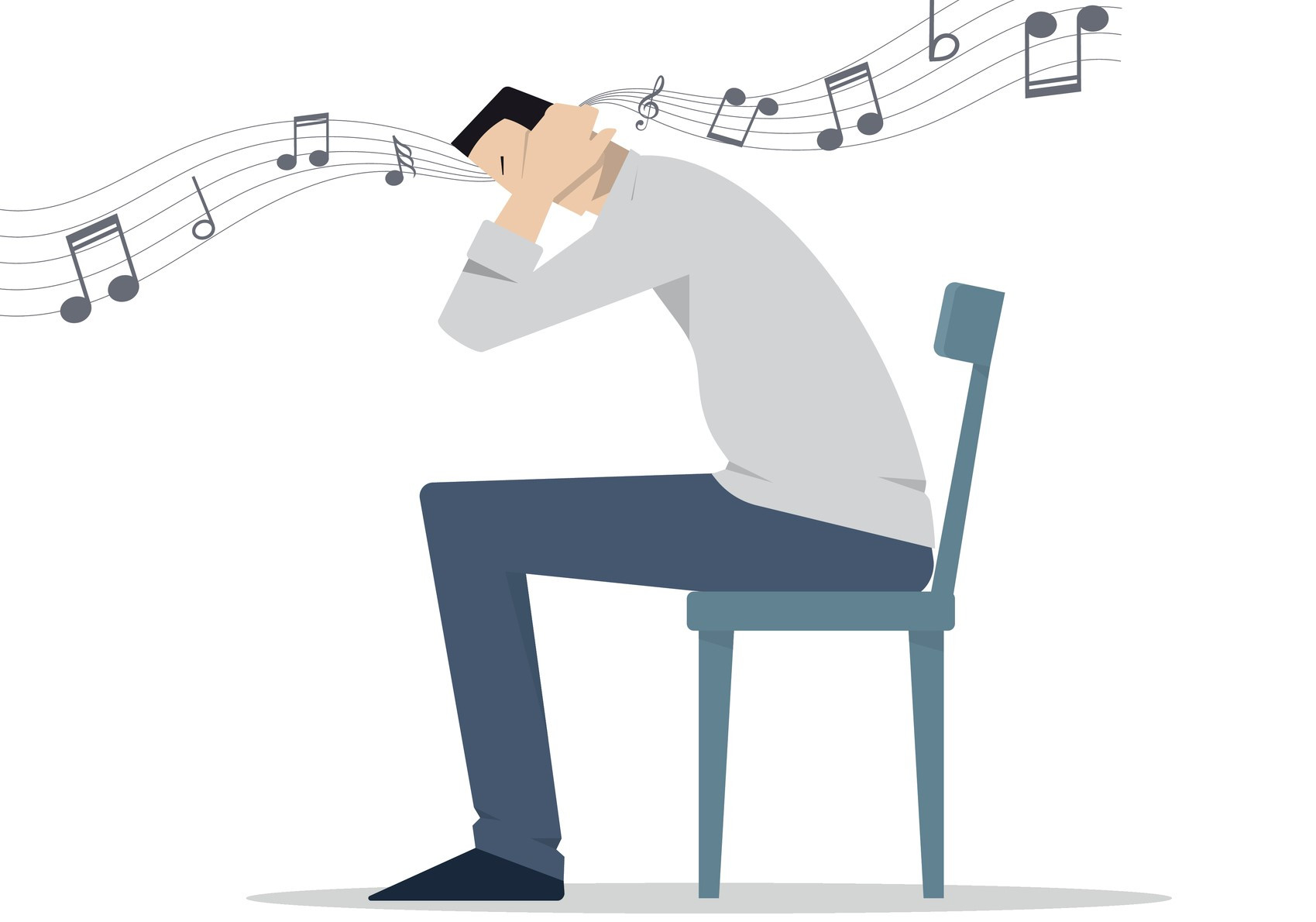
Why you can’t get a song out of your head and what to do about it
The experience of having an “earworm”—a song that’s stuck in your head—is extremely common. But why do they happen? And how do you get rid of one?

Anxiety and heart disease: A complex connection
A little bit of worry and stress is normal — even beneficial. But chronic anxiety may raise your risk for heart problems.
Image: © grinvalds/Thinkstock
If you feel anxious now and then, that's perfectly normal. In fact, worrying can spur you to take positive action that may benefit your health, such as getting screening tests or doing regular exercise. But excessive worrying can have the opposite effect.
"Small amounts of anxiety and stress can push people to be more productive. The problem happens when anxiety becomes so overwhelming that you're unable to function normally," says Dr. Christopher Celano, a psychiatrist at the Cardiac Psychiatry Research Program at Harvard-affiliated Massachusetts General Hospital. That level of worry and stress may represent an anxiety disorder, a group of conditions that affect some 40 million adults in this country.

Men (back) at work
Recreating the workplace dynamics helps older men strengthen their social bonding and thinking skills.
<Image: © Highwaystarz-Photography/Thinkstock/p>
Men who retire are often happy to leave behind their work life, but one aspect they still need is the workplace's packlike male bonding. Group lunches, team projects, watercooler banter — all these help men establish social connections that keep their brains and bodies active and healthy.
"Women tend to make friends across their life span, while men acquire friends in clumps through shared experiences like sports, the military, and work," says Dr. Richard S. Schwartz, a psychiatrist with Harvard-affiliated McLean Hospital. "When one source is eliminated, men tend to lose some of those friends over time and have to find other ways to connect with people and fill those missing gaps."


Feeling okay about feeling bad is good for your mental health
A trio of studies investigated the connection between the ability to accept the negative emotions generated by stressful situations and a person’s long-term psychological health.


Whole grains may improve several heart risk factors at once
Light exposure at night may raise risk for heart disease
Children of centenarians may stay healthier and live longer too, study finds
A lumbar belt may help ease low back pain
Signs of pneumonia: Sometimes vague and unexpected
The surprising link between ovarian cancer and the fallopian tubes
Using a vibration plate: What it can — and can't — do for your body
People who walk more or walk faster live longer, study finds
Rosacea treatments: What works?
For sleep apnea, a dental device may be as effective as CPAP
Free Healthbeat Signup
Get the latest in health news delivered to your inbox!
Sign Up
