

Whole grains may improve several heart risk factors at once

Light exposure at night may raise risk for heart disease

Children of centenarians may stay healthier and live longer too, study finds

A lumbar belt may help ease low back pain

Signs of pneumonia: Sometimes vague and unexpected

The surprising link between ovarian cancer and the fallopian tubes

Using a vibration plate: What it can — and can't — do for your body

People who walk more or walk faster live longer, study finds

Rosacea treatments: What works?

For sleep apnea, a dental device may be as effective as CPAP
Mental Health Archive
Articles

Exercise and better thinking skills: More evidence for a possible link
News briefs
Image: © Horsche/Thinkstock
A review of research published online April 24, 2017, by the British Journal of Sports Medicine suggests that physical exercise may help improve thinking skills in adults ages 50 or older, regardless of their mental performance when they started exercising. Researchers combed through 39 randomized controlled trials that looked at this age group. Most of the studies involved people who did aerobic exercise (the kind that gets your heart and lungs pumping, like brisk walking), resistance training (the kind that works your muscles and bones, like weight lifting), or a combination of aerobics and resistance training. A handful of the studies involved people who did yoga or tai chi. In all of the studies, participants took tests that measured various aspects of thinking skills — such as attention, working memory, and the ability to plan, organize, and manage time. All exercise types but yoga appeared to have benefits for the brain. The authors say the exercise regimen with the biggest brain boost was a combination of both aerobic and resistance-type training, of at least moderate intensity, for at least 45 minutes per session on as many days of the week as possible. The takeaway? Start exercising, and incorporate resistance training into your weekly routine.

Can drinking tea prevent dementia?
In the journals
Image: © jimfeng/Thinkstock
A study in the December 2016 Journal of Nutrition, Health & Aging showed that drinking tea frequently is associated with a lower risk of dementia, especially for people who are genetically predisposed to the disease.
Researchers followed 957 older adults, average age 65, who were part of the Singapore Longitudinal Aging Study. Of these, 69% drank tea on a frequent basis. After a five-year period, the researchers found that the tea drinkers had a 50% lower risk of dementia. This is consistent with earlier findings that showed tea consumers scored higher on various cognitive tests.
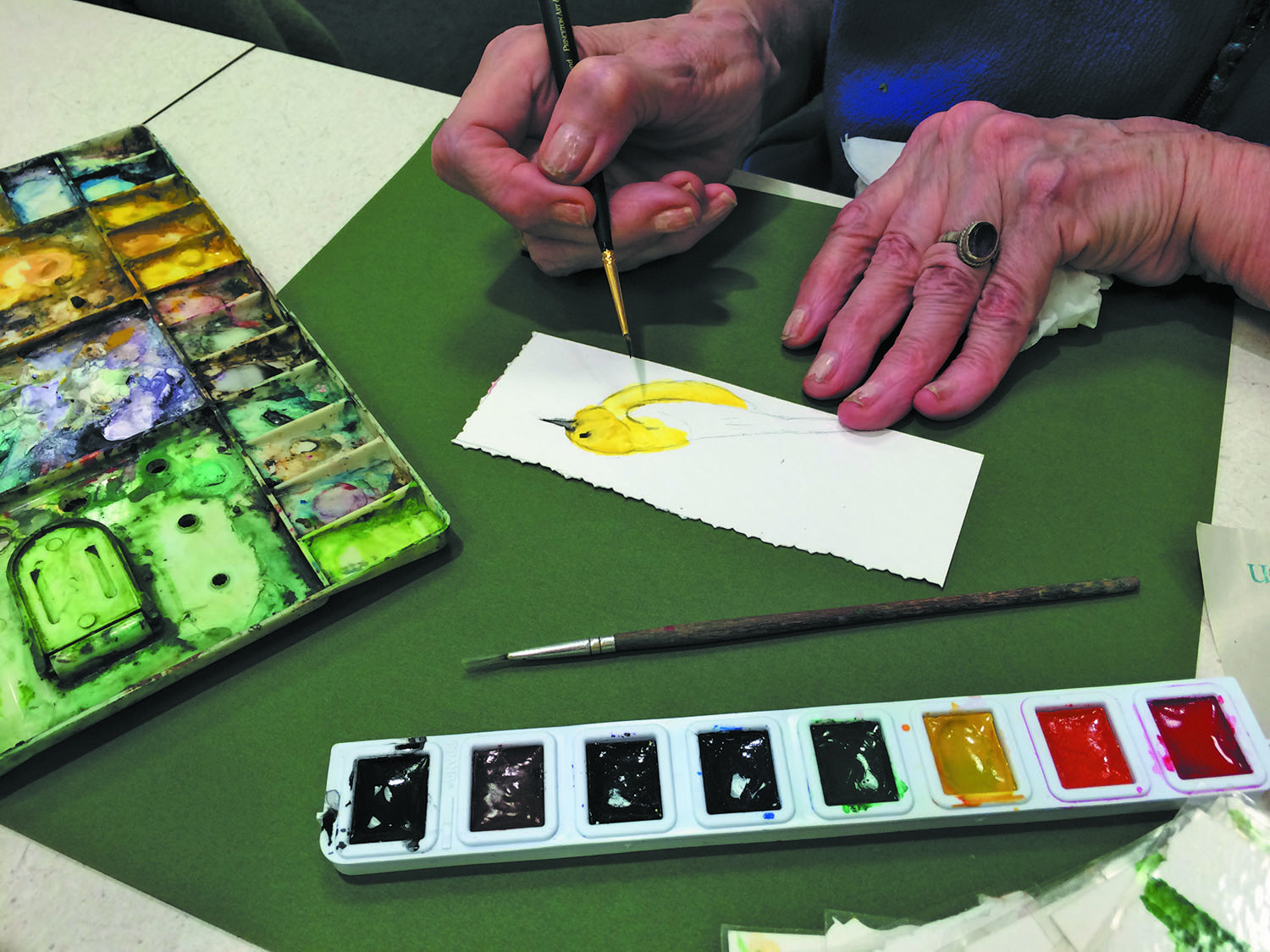
The healing power of art
Creative activities can relieve stress, aid communication, and help arrest cognitive decline.
Image: © Katherine A. Gallagher Integrative Therapies Art Therapy Program at the Mass. General Cancer Center
The title of a recent documentary film, I Remember Better When I Paint, sums up the findings of a growing body of research into the cognitive effects of making art. The movie demonstrates how drawing and painting stimulated memories in people with dementia and enabled them to reconnect with the world. People with dementia aren't the only beneficiaries. Studies have shown that expressing themselves through art can help people with depression, anxiety, or cancer, too. And doing so has been linked to improved memory, reasoning, and resilience in healthy older people.

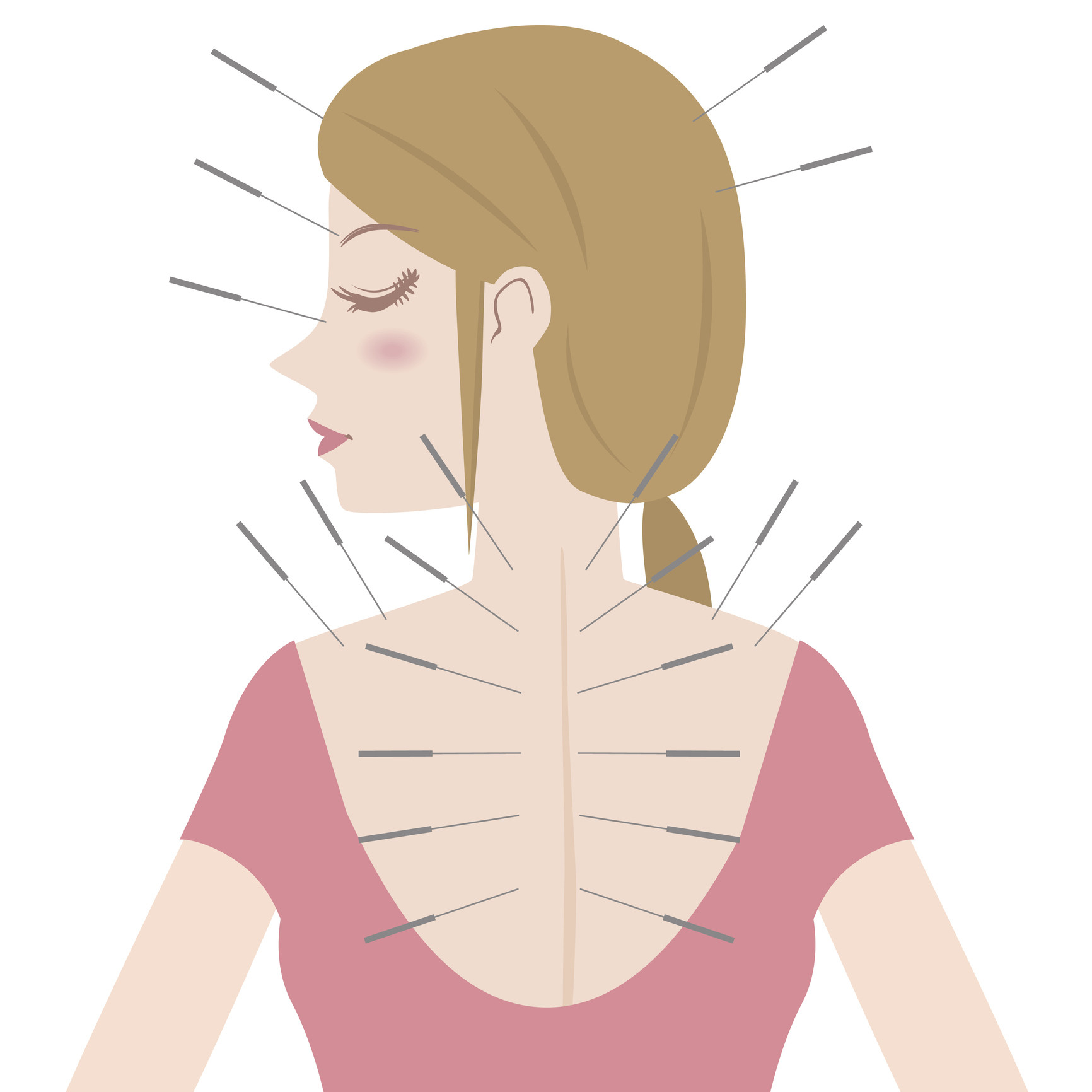
Yes, I’ve tried that too: When well-intentioned advice hurts
If you know someone dealing with chronic pain it’s tempting to offer advice, but whatever the suggestion might be, that person has almost certainly tried it already. Simply taking time to listen and empathize may be more helpful.



Safe injection sites and reducing the stigma of addiction
The scope of the opioid crisis in the US has led some communities to revise their view of substance use disorders. One idea is creating supervised injection facilities that would provide a safe environment and make treatment resources available.
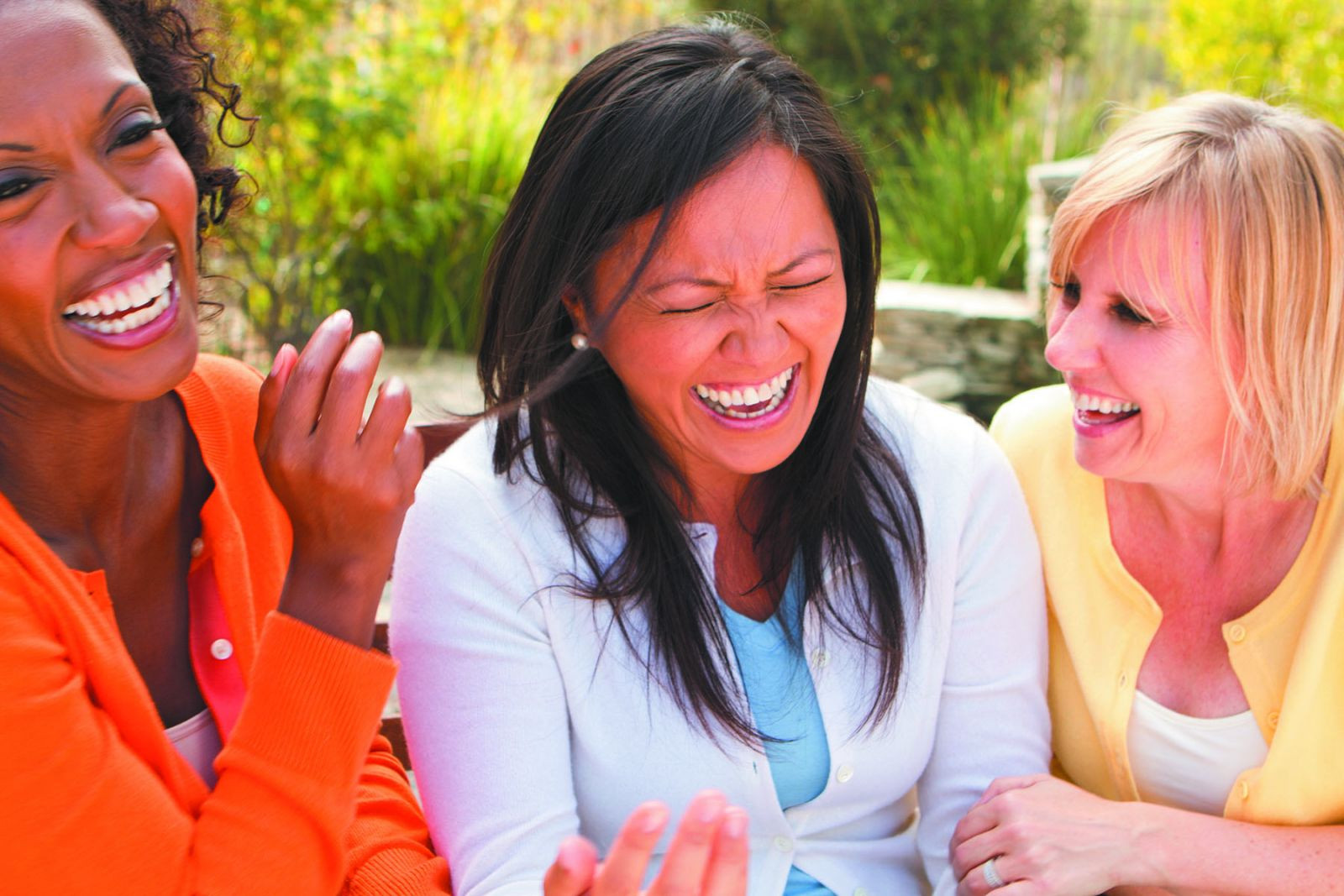
Can relationships boost longevity and well-being?
Harvard research suggests meaningful relationships are a prescription for better emotional, mental, and physical health.
Image: © digitalskillet/Thinkstock
You probably know there are many ways to improve your well-being and chances of living longer, such as exercising more or eating better. But did you know that maintaining meaningful relationships also may play an important role in health, happiness, and longevity? "Good, close relationships appear to buffer us from the problems of getting old," says Dr. Robert Waldinger, a psychiatrist with Harvard-affiliated Massachusetts General Hospital.
Eight decades of research
Dr. Waldinger is the current director of the Harvard Study of Adult Development, an ongoing analysis that's followed more than 700 men since they were teenagers in 1938. More than 60 of the original participants, now in their 90s, are still taking part.
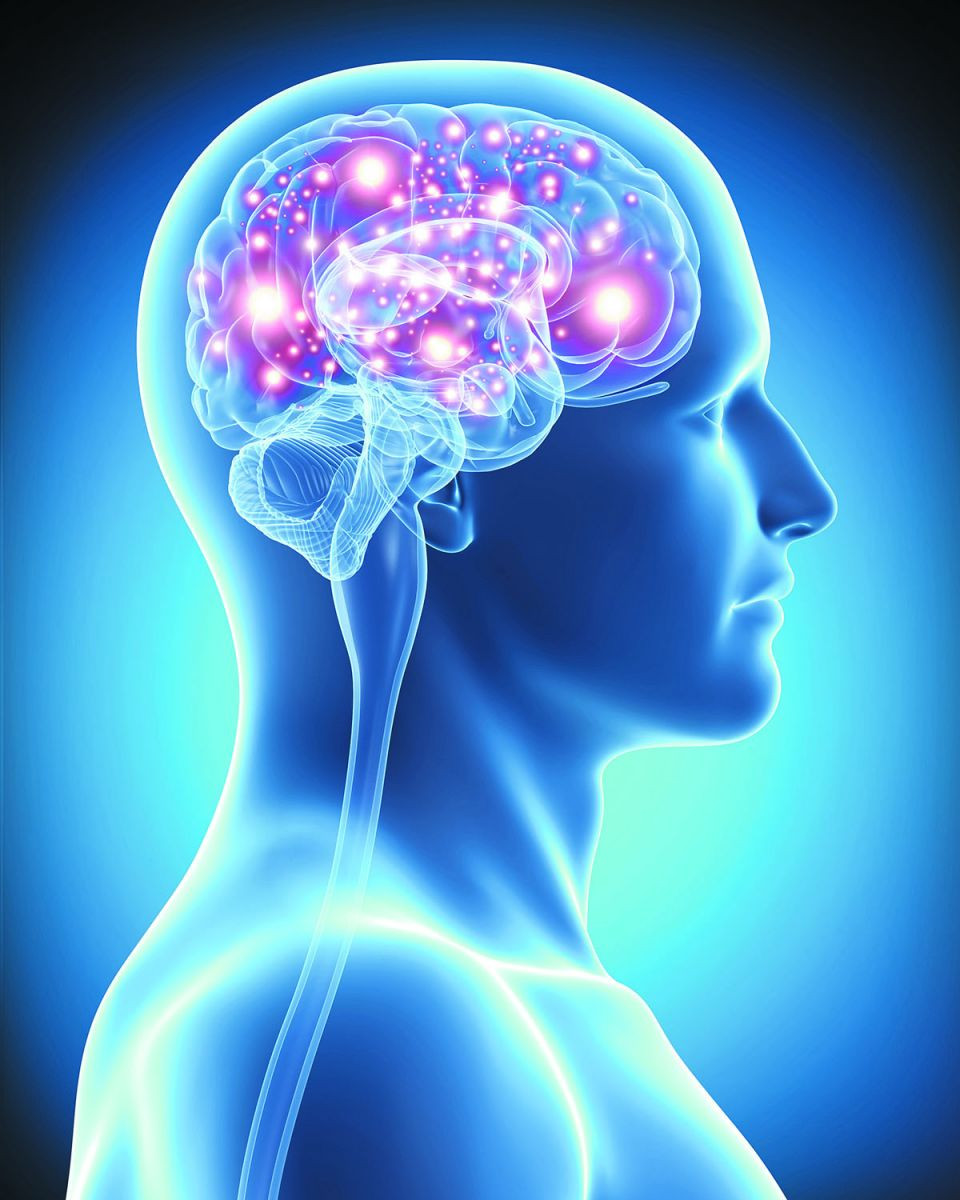
Looking for early signs of Alzheimer’s
By the time memory loss shows up, the disease is well under way. Researchers are finding ways that may reveal brain changes sooner.
For a long time, memory loss was seen as the telltale sign of Alzheimer's disease. While this is certainly the most common symptom, it may not be the best way to identify the disease in its early stages.
"A major problem of Alzheimer's diagnosis, and ultimately effective treatment, is that by the time the first clinical symptoms appear, irreversible damage to the brain has already occurred," says Dr. Seth Gale, a neurologist with Harvard-affiliated Brigham and Women's Hospital. "It is now believed that Alzheimer's-related changes begin in the brain at least a decade before any symptoms emerge."
Whole grains may improve several heart risk factors at once
Light exposure at night may raise risk for heart disease
Children of centenarians may stay healthier and live longer too, study finds
A lumbar belt may help ease low back pain
Signs of pneumonia: Sometimes vague and unexpected
The surprising link between ovarian cancer and the fallopian tubes
Using a vibration plate: What it can — and can't — do for your body
People who walk more or walk faster live longer, study finds
Rosacea treatments: What works?
For sleep apnea, a dental device may be as effective as CPAP
Free Healthbeat Signup
Get the latest in health news delivered to your inbox!
Sign Up
