

Whole grains may improve several heart risk factors at once

Light exposure at night may raise risk for heart disease

Children of centenarians may stay healthier and live longer too, study finds

A lumbar belt may help ease low back pain

Signs of pneumonia: Sometimes vague and unexpected

The surprising link between ovarian cancer and the fallopian tubes

Using a vibration plate: What it can — and can't — do for your body

People who walk more or walk faster live longer, study finds

Rosacea treatments: What works?

For sleep apnea, a dental device may be as effective as CPAP
Mental Health Archive
Articles

Retirement blues: Taking it too easy can be hard on you
It might seem like retirement is a time to take it easy and devote yourself to gardening, golfing, and napping. But don't take it too easy, say Harvard experts. For optimal well-being, you need to stay engaged — with your own interests as well as with other people.
Making the change
Newly retired men face some typical difficulties. One is creating a new routine after leaving behind the nine-to-five grind. "During that phase of going from a lot of structure to almost no structure, men can exhibit the same signs as someone who is overworked," explains Dr. Randall Paulsen, a psychiatrist at Harvard-affiliated Brigham and Women's Hospital.

Holding on to stress could affect health
Research we're watching
If you're able to quickly shrug off stressful events, that may be good for your health. A study in the March 19 issue of Psychological Science found that people who held on to stress—those who reported still having negative feelings about a stressful event the day after it happened — had more chronic health problems a decade later.
Researchers analyzed data from a nationwide survey that asked more than 1,100 adults about the number and type of stressful experiences they had each day for eight days. These included everything from arguments with others to problems at work, home, or school. Participants rated their emotional reactions to these stressors at the time and afterward.
The new networking
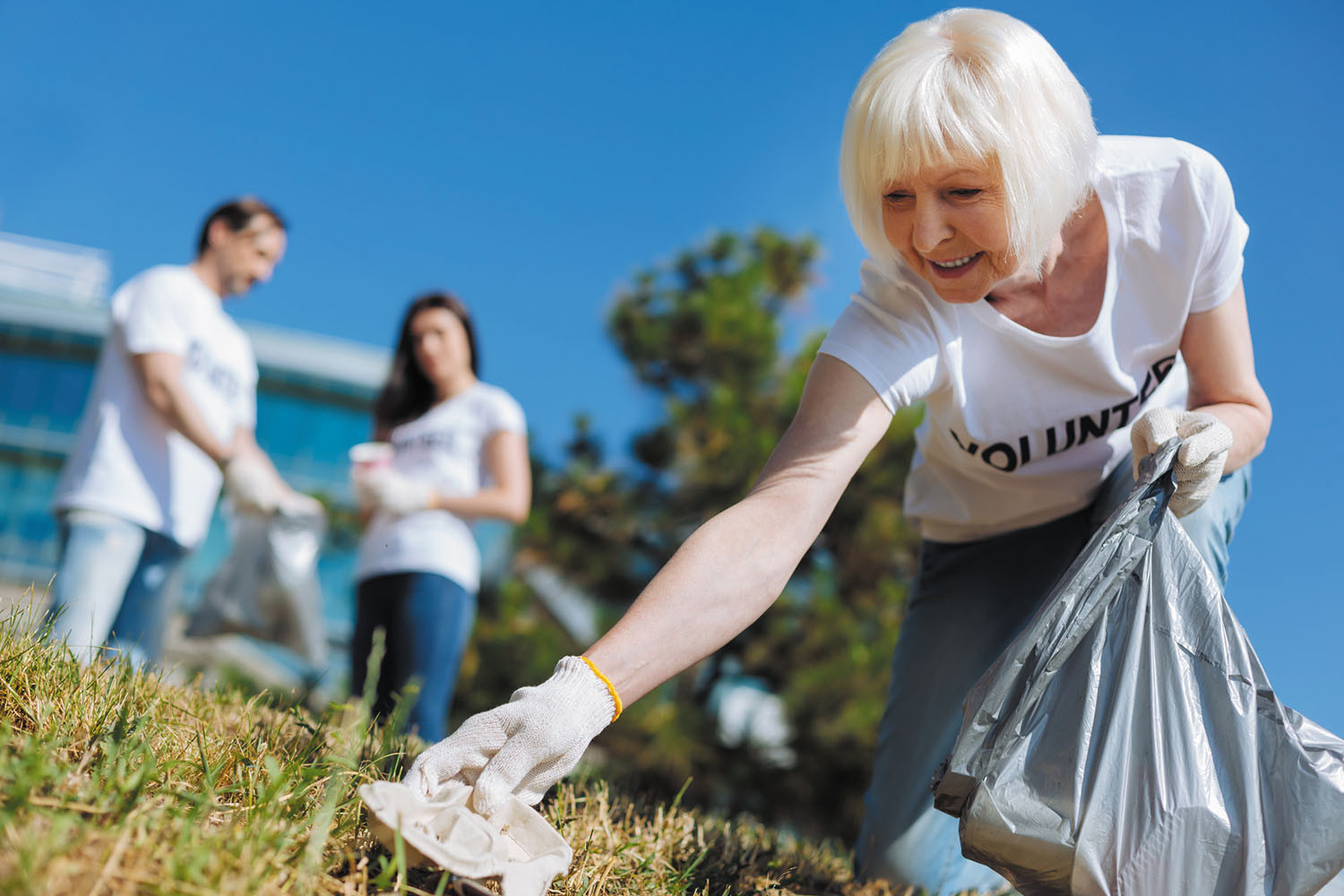
Growing your real-life social network is important for health. Consider these ideas to get started.
Image: © yacobchuk/Getty Images
When we're young, networking can be an important strategy to get ahead in business. Making new acquaintances and building relationships can lead to career opportunities. But later in life, networking takes on new significance: you may need it to stay connected socially. "Your social network shrinks. Your children leave home, you're no longer at work, or you've moved away. And that can lead to isolation and loneliness unless you maintain or rebuild your network," says Dr. Joel Salinas, a neurologist who specializes in behavioral neurology and neuropsychiatry at Harvard-affiliated Massachusetts General Hospital.
Isolation and loneliness
Many studies have linked isolation (being cut off from social contact) with a greater chance of having a heart attack or a stroke. A study published online March 27, 2018, by Heart suggested that isolation was independently associated with a 25% to 32% increased risk of death among people followed for seven years who had already had a heart attack or stroke.

How atrial fibrillation may affect your brain
This heart rhythm disorder is linked to thinking and memory problems. But anti-clotting drugs may lower the risk.
Bouts of atrial fibrillation, or afib — a rapid, chaotic heartbeat — make some people feel lightheaded and dizzy, while others don't notice any symptoms. But the most serious threat of this condition is the higher risk of stroke among people with afib compared with those without the disorder (see "Blood clot dangers, large and small"). Now, there's a growing recognition that people with afib also face an increased risk of thinking and memory problems — even if they do not experience a stroke.
Known as cognitive impairment, these problems include trouble remembering, learning new things, concentrating, or making routine decisions. The presumed underlying cause? Tiny blood clots that cause "silent" (that is, unrecognized) strokes and gradually injure parts of the brain involved with cognition.

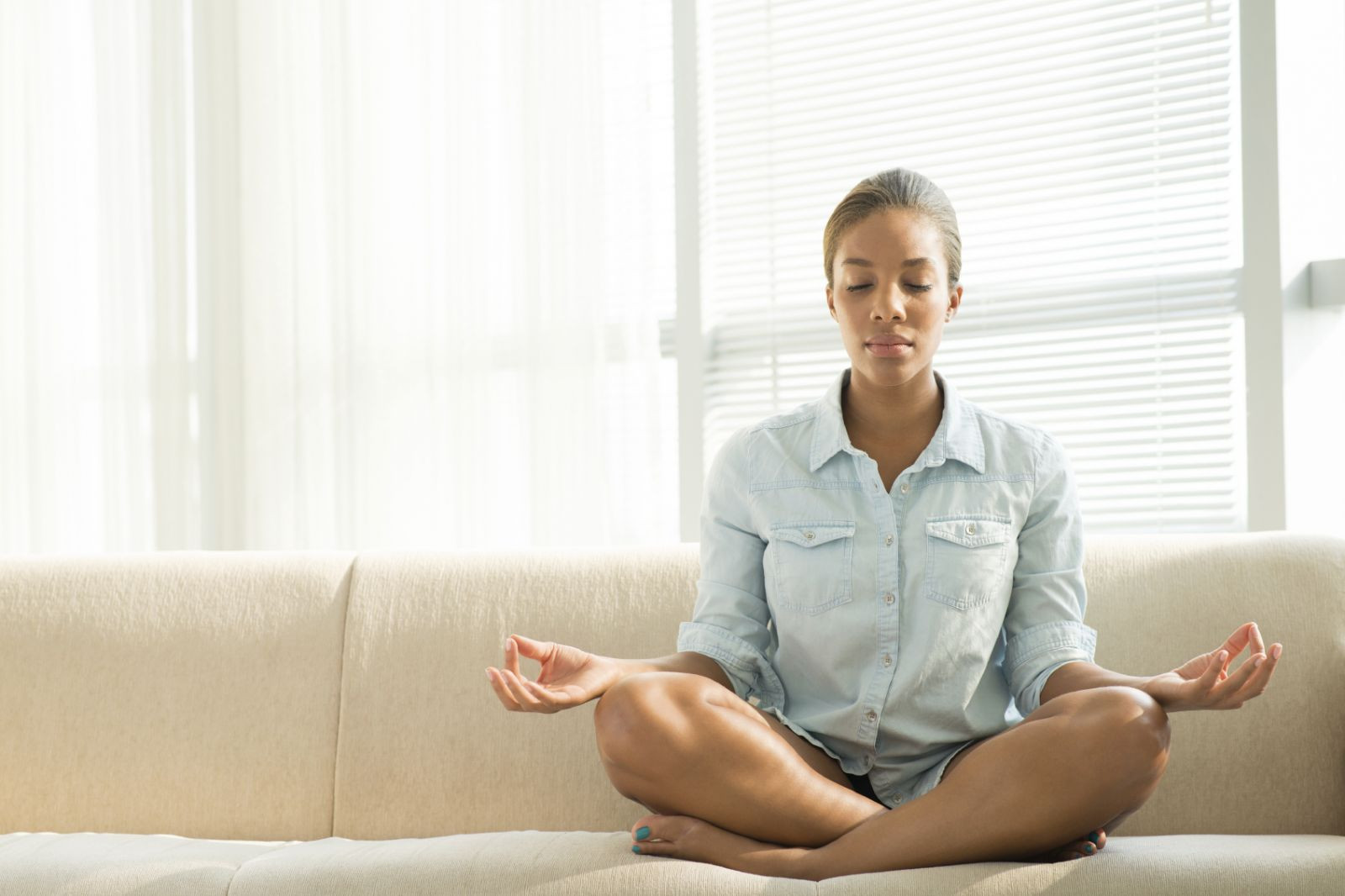
Take a moment to be mindful
Mindfulness is the practice of purposely focusing your attention on the present moment, such as how the air smells and feels as you walk your dog, or how a bite of bread tastes with dinner. The ultimate goal is to help shift your thoughts away from your usual preoccupations toward an appreciation of the moment and a larger perspective on life.
Scientific examination of mindfulness shows that it can improve both physical and psychological symptoms and create positive changes in health attitudes and behaviors.

Leverage your strengths for a more positive life
Strengths are built-in capacities for certain thoughts, feelings, and behaviors. Everyone has these capacities to one degree or another. Your particular pattern of strengths is part of what makes you unique.
When you play from your strengths, you are likely to feel more energetic and perform better than when you are trying to use a capacity that comes less naturally. For example, one person trying to influence a local school board to ban soft drink sales might have the strength to speak up forcefully and clearly at a general meeting (despite the almost-universal fear of public speaking). Another person strong in team-building might feel uncomfortable speaking out in a meeting but could successfully build consensus among parents, nutritionists, and others to weigh the issue and come to a decision.
Whole grains may improve several heart risk factors at once
Light exposure at night may raise risk for heart disease
Children of centenarians may stay healthier and live longer too, study finds
A lumbar belt may help ease low back pain
Signs of pneumonia: Sometimes vague and unexpected
The surprising link between ovarian cancer and the fallopian tubes
Using a vibration plate: What it can — and can't — do for your body
People who walk more or walk faster live longer, study finds
Rosacea treatments: What works?
For sleep apnea, a dental device may be as effective as CPAP
Free Healthbeat Signup
Get the latest in health news delivered to your inbox!
Sign Up
