

People who walk more or walk faster live longer, study finds

For sleep apnea, a dental device may be as effective as CPAP

Rosacea treatments: What works?

Carb cycling: What is it, and does it work?

Understanding orthorexia: Have your healthy eating goals gone too far?

Salmonella, E. coli, Cyclospora, and other germs that cause food poisoning: What you need to know

Melatonin or magnesium: Can either supplement help you sleep?

Naturally gluten-free foods

Shingrix shingles vaccine linked with lower heart disease risks

Harvard study: Healthier fats linked to longer life after prostate cancer diagnosis
Medications and treatments Archive
Articles

Could certain symptoms indicate low blood sugar in someone with type 2 diabetes?
Strict blood sugar targets can raise hypoglycemia risks like falls and confusion. Learn why many experts now favor looser goals for older adults.

What could cause a swollen tongue?
Tongue swelling can stem from drug reactions, infections, vitamin deficits, thyroid issues, or rare disorders. Learn which clues help sort out the cause.

Do I need to avoid foods high in vitamin K if I'm on warfarin?
Learn how vitamin K affects the blood thinner warfarin, and how to keep your diet on track.
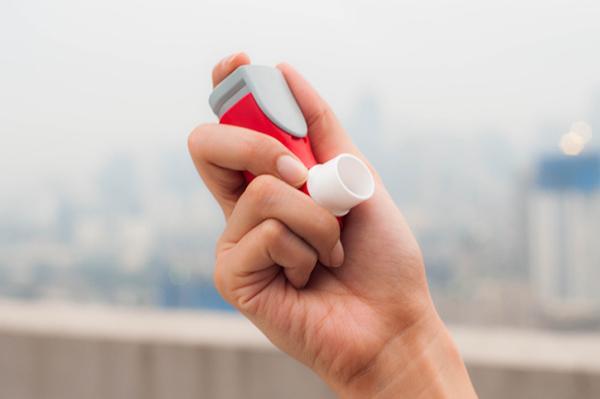
Can steroid asthma inhalers increase blood sugar?
Inhaled corticosteroids mostly act in the lungs, but some enter the bloodstream. Learn when they might nudge glucose higher and how doctors adjust care.

Can you safely taper off a proton pump inhibitor if reflux symptoms improve?
Proton pump inhibitors can calm severe reflux and heal the esophagus, but long-term use raises questions about when and how to cut back safely.

What could be causing a constant sensation of mucus in my throat?
A stubborn "lump in the throat" feeling can stem from postnasal drip, reflux, irritation, or even a small pouch in the esophagus. Explore possible causes.

Why have I lost my sense of taste?
Diminished flavor can stem from aging, nasal issues, infections, or certain blood pressure drugs. Small medication tweaks and habits may help restore it.
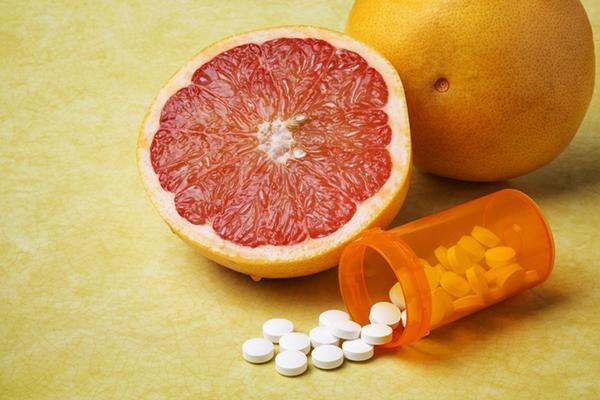
Do I need to avoid grapefruit if I am on a statin?
A favorite citrus fruit can unexpectedly boost statin levels in your bloodstream. Learn why this happens and what it may mean for your prescription.
Aspirin and bone health: Is there a connection?
Aspirin has many proven benefits and some research has linked its use to a lower risk for fractures after falls. Now, a more rigorous study finds a daily dose offers no added protection from serious falls and fractures compared with placebo.
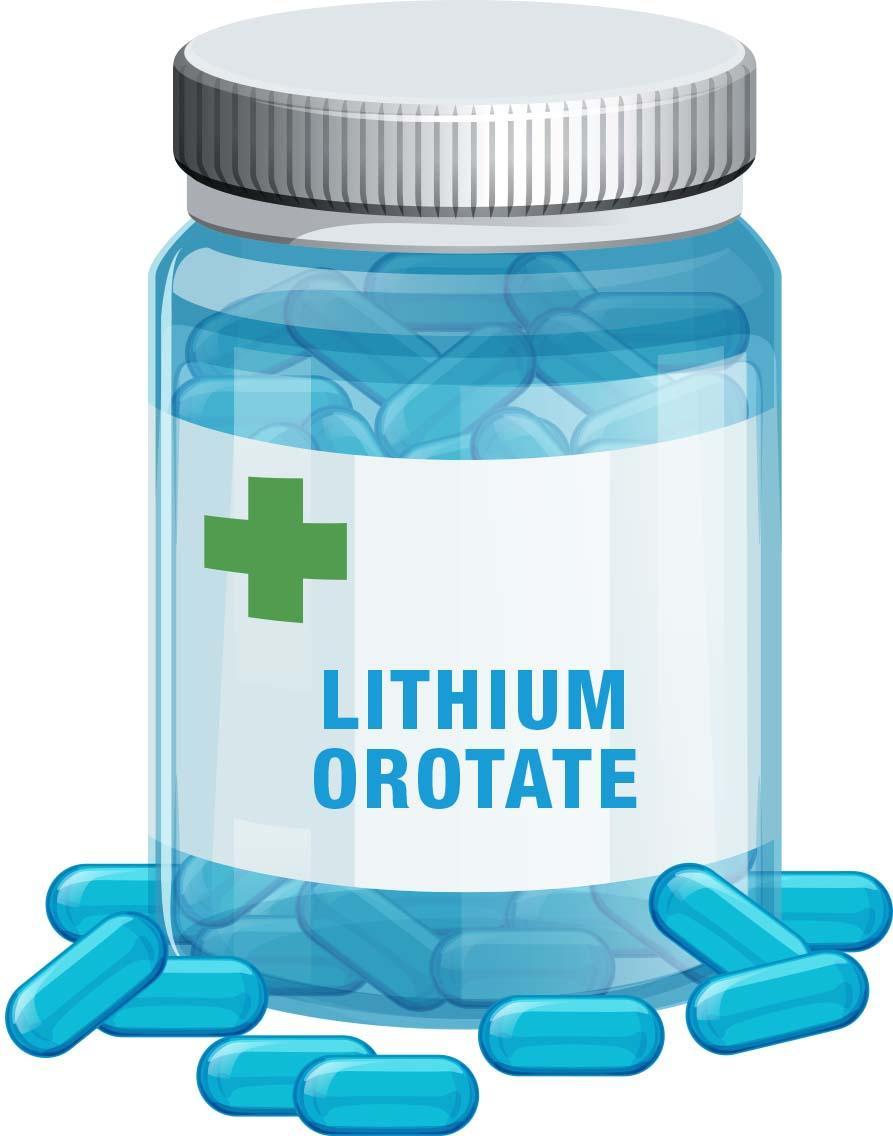
Will lithium supplements be used to fight Alzheimer's one day?
A 2025 study suggests that very low levels of lithium in the brain might be linked to Alzheimer's disease. In mice, certain lithium supplements seemed to protect memory and the brain. But scientists don't yet know if lithium pills are safe or helpful for people.
People who walk more or walk faster live longer, study finds
For sleep apnea, a dental device may be as effective as CPAP
Rosacea treatments: What works?
Carb cycling: What is it, and does it work?
Understanding orthorexia: Have your healthy eating goals gone too far?
Salmonella, E. coli, Cyclospora, and other germs that cause food poisoning: What you need to know
Melatonin or magnesium: Can either supplement help you sleep?
Naturally gluten-free foods
Shingrix shingles vaccine linked with lower heart disease risks
Harvard study: Healthier fats linked to longer life after prostate cancer diagnosis
Free Healthbeat Signup
Get the latest in health news delivered to your inbox!
Sign Up
