

People who walk more or walk faster live longer, study finds

For sleep apnea, a dental device may be as effective as CPAP

Rosacea treatments: What works?

Carb cycling: What is it, and does it work?

Understanding orthorexia: Have your healthy eating goals gone too far?

Salmonella, E. coli, Cyclospora, and other germs that cause food poisoning: What you need to know

Melatonin or magnesium: Can either supplement help you sleep?

Naturally gluten-free foods

Shingrix shingles vaccine linked with lower heart disease risks

Harvard study: Healthier fats linked to longer life after prostate cancer diagnosis
Medications and treatments Archive
Articles
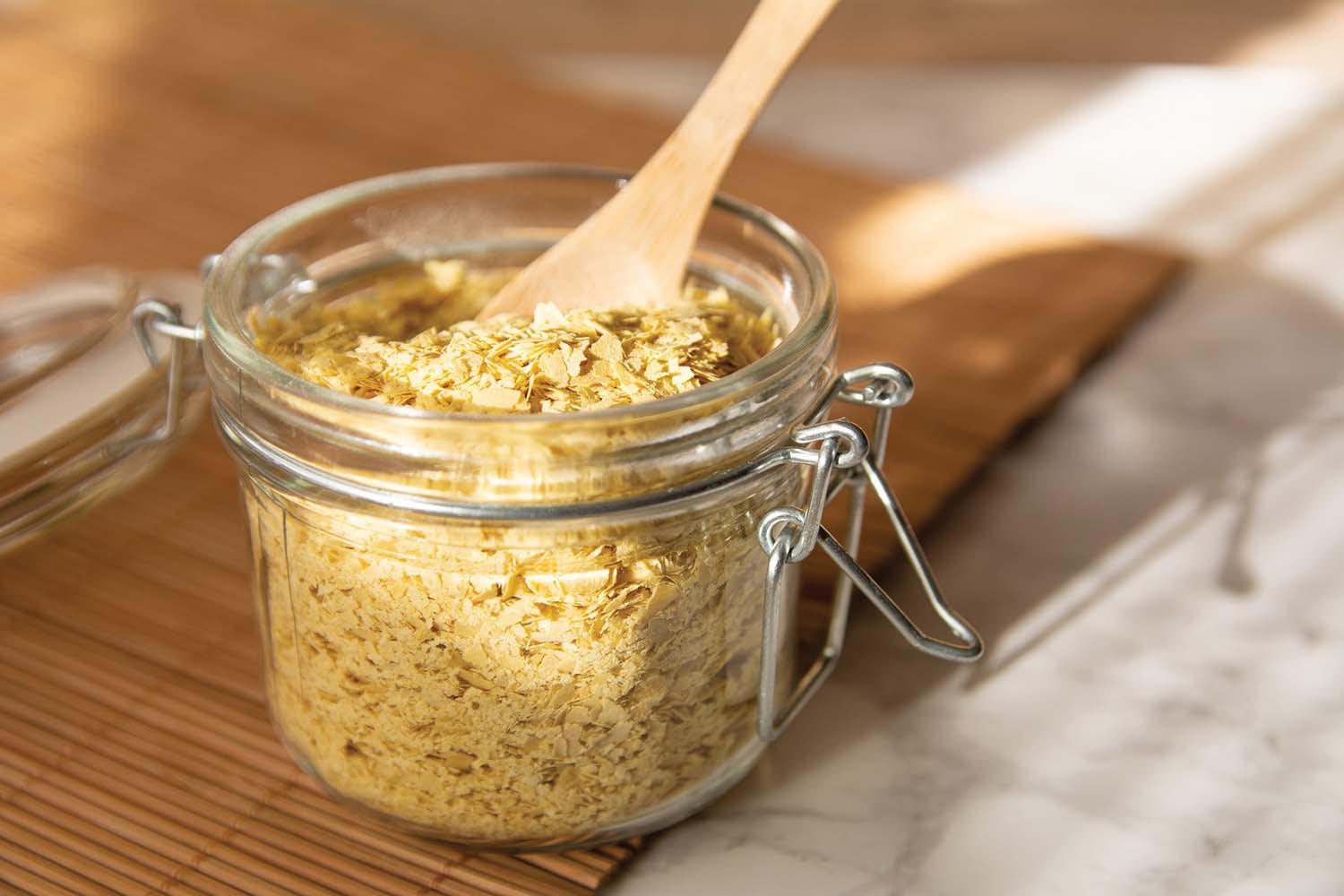
Caution: Sprinkle this savory seasoning with care
Nutritional yeast is a savory condiment that's often heavily fortified with vitamins. Because high doses may cause side effects, interact with some medications, or cause certain health problems, it's best used sparingly as a flavoring, not as a supplement.
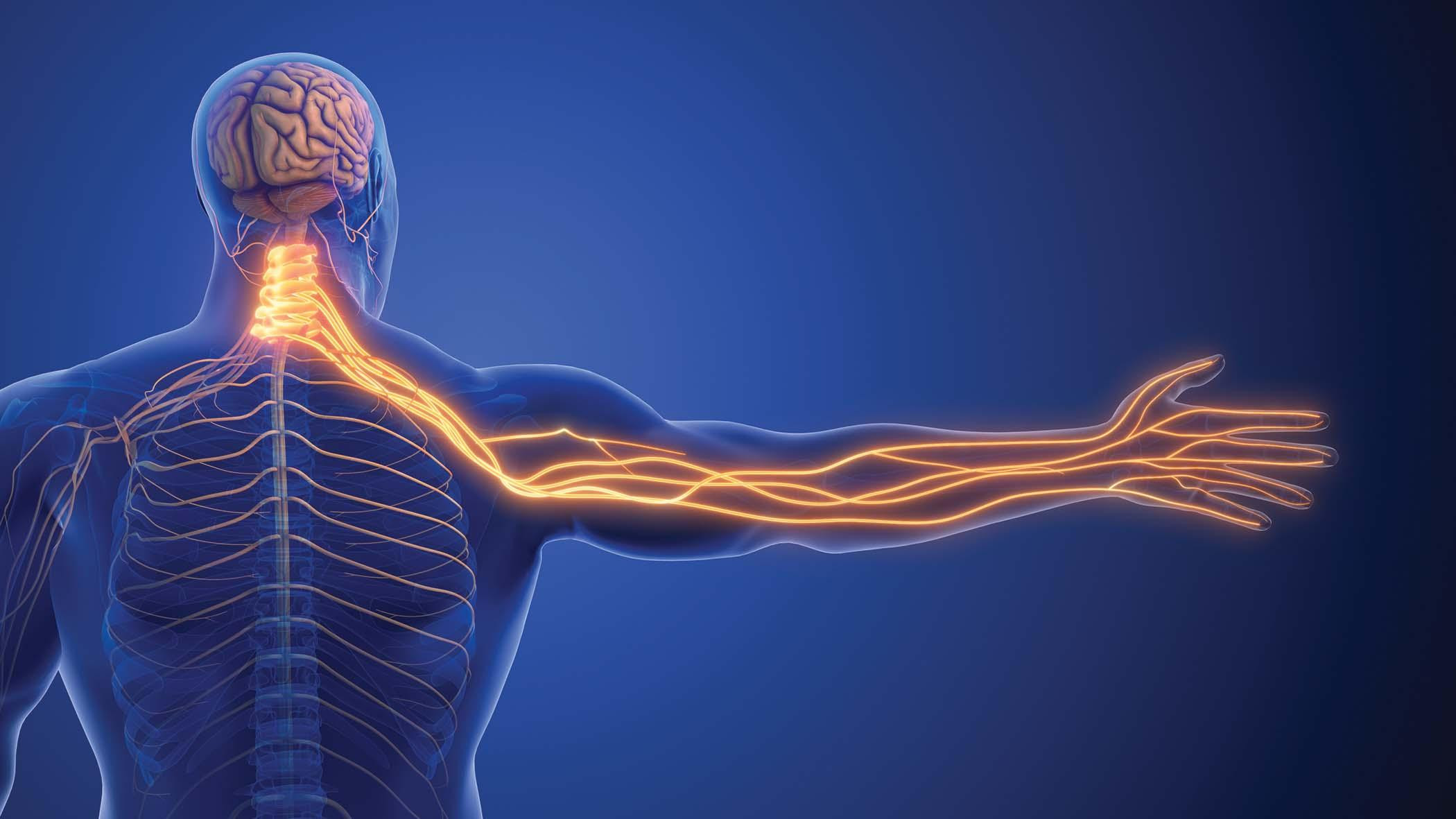
Punch back against pinched nerves
A pinched nerve occurs when something compresses or irritates a nerve. This can cause pain, tingling, or weakness in areas like the neck, back, or wrist. Rest and home remedies can help, but physical therapy and medication are sometimes needed.

Can men hold off on treating recurring prostate cancer?
What happens if PSA levels start rising after surgery or radiation for prostate cancer? Sometimes men live the rest of their lives with a rising PSA without ever developing metastases. Now, an ultra-sensitive scanning technology is raising new questions about biochemical recurrence and how to manage it.



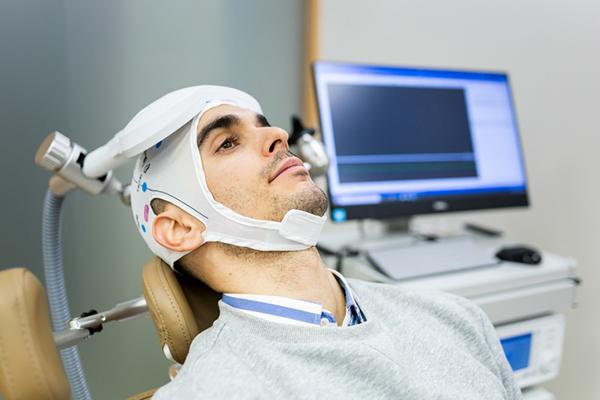
TMS treatment may succeed when depression drugs fail
Transcranial magnetic stimulation (TMS) uses magnetic pulses to repeatedly activate areas of the brain involved in mood regulation. Updated protocols hold the promise of rapid relief from major depression.
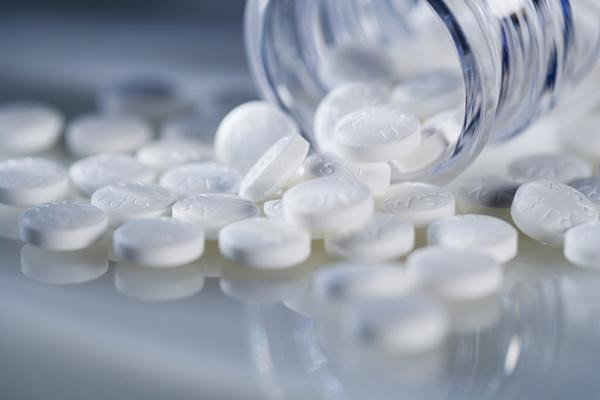
Updated risk calculator recommends less low-dose aspirin use
A 2025 analysis suggests that far fewer people are considered candidates for low-dose aspirin to prevent heart disease with the updated PREVENT risk calculator compared with the older risk calculator.
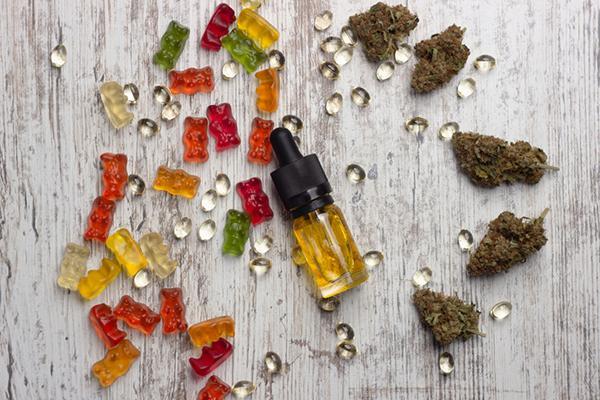
Sweet dreams: Can CBD gummies help you sleep?
Gummies and other products that contain non-intoxicating cannabinoids, including cannabidiol (CBD), may improve sleep. While CBD is generally safe and doesn't have next-day effects, it can interact with certain medications. Whenever possible, people who use CBD products should check the certificate of analysis (which summarizes independent tests of potency and contaminant levels) before buying these products. They should also check with their doctors about potential interactions between CBD and any prescriptions or supplements they take.
People who walk more or walk faster live longer, study finds
For sleep apnea, a dental device may be as effective as CPAP
Rosacea treatments: What works?
Carb cycling: What is it, and does it work?
Understanding orthorexia: Have your healthy eating goals gone too far?
Salmonella, E. coli, Cyclospora, and other germs that cause food poisoning: What you need to know
Melatonin or magnesium: Can either supplement help you sleep?
Naturally gluten-free foods
Shingrix shingles vaccine linked with lower heart disease risks
Harvard study: Healthier fats linked to longer life after prostate cancer diagnosis
Free Healthbeat Signup
Get the latest in health news delivered to your inbox!
Sign Up
