

People who walk more or walk faster live longer, study finds

For sleep apnea, a dental device may be as effective as CPAP

Rosacea treatments: What works?

Carb cycling: What is it, and does it work?

Understanding orthorexia: Have your healthy eating goals gone too far?

Salmonella, E. coli, Cyclospora, and other germs that cause food poisoning: What you need to know

Melatonin or magnesium: Can either supplement help you sleep?

Naturally gluten-free foods

Shingrix shingles vaccine linked with lower heart disease risks

Harvard study: Healthier fats linked to longer life after prostate cancer diagnosis
Medications and treatments Archive
Articles
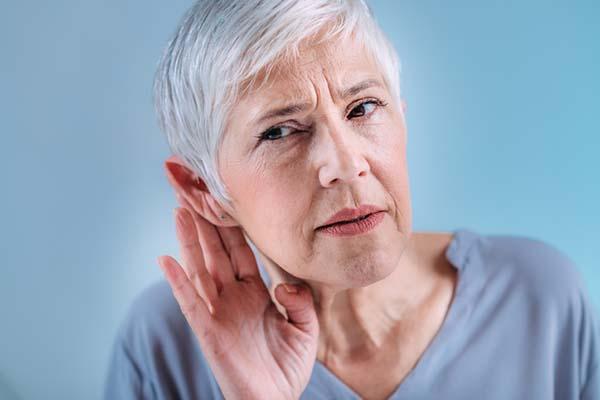
Ototoxic drugs: Medications that may harm hearing
The term ototoxicity describes inner ear damage from drugs that can cause tinnitus (ringing in the ears), and affect hearing and sometimes balance. Medications more likely to cause ototoxicity include aspirin; the antibiotics azithromycin and clarithromycin; certain chemotherapy drugs; loop diuretics such as furosemide (Lasix); and some biologics. These drugs can damage hearing by injuring hairlike projections in the inner ear. People taking ototoxic drugs should get their hearing tested before, during, and after using the drug.

Beta blockers: Who benefits from these common drugs?
Doctors have long prescribed drugs called beta blockers to all heart attack survivors. These drugs, which slow down the heart and lower blood pressure, include atenolol (Tenormin) and metoprolol (Lopressor, Toprol). Growing evidence suggests that these drugs offer no meaningful benefit for people whose hearts still pump normally after a heart attack. Sometimes, however, a heart attack leaves the left ventricle (the heart’s main pumping chamber) unable to contract effectively. When that’s the case, beta blockers are still recommended.

4 types of medication that may increase your chance of falling
Four classes of drugs commonly prescribed to older adults-opioids, benzodiazepines, gabapentinoids, and antidepressants-may be driving the dramatic rise in deadly falls over the past three decades. Known as fall risk-increasing drugs (FRIDs), these drug classes affect brain function and can make people feel sleepy, dizzy, or confused-all of which can leave them vulnerable to falling. People currently taking these drugs shouldn't stop taking them abruptly, as doing so may cause withdrawal symptoms. People should ask their primary care clinician to review all their medications at least once a year.

When and why you need drugs for atrial fibrillation
Many people with atrial fibrillation (afib) - a rapid, irregular heart rhythm - need to control symptoms, such as the feeling that the heart is racing or fluttering. Medication options include drugs that slow down the heart or help restore its rhythm. Because afib can also increase the risk of blood clots that can lead to a stroke, many of these people also need to take clot-preventing medications.

Urgent care clinics linked to unnecessary prescriptions
A 2025 study suggests that urgent care clinics frequently prescribe prescription medications inappropriately for conditions such as ear infections, bronchitis, sprains or strains, or digestive discomfort.

The complicated risks of simple cold remedies
Over-the-counter cold remedies can be helpful, but they must be carefully considered before use. They contain drugs that can cause serious side effects, interact with other medications, and worsen certain health conditions. For example, decongestants can help ease a stuffy nose but also can increase blood pressure and heart rate. And cough suppressants can help someone stop coughing, but taking too much can cause dizziness, confusion, or even changes in mood or thinking.

Can nicotine patches promote weight loss?
No evidence suggests that nicotine patches promote weight loss. Nicotine suppresses appetite but also raises health risks such as high blood pressure and narrowed arteries. People can talk to a doctor about medically supervised weight loss.

Try this: Light therapy
Light therapy uses light boxes that emit a bright, white light. Exposure to this light can control a person's circadian rhythm-the body's internal 24-hour sleep-wake clock-and help manage and prevent seasonal affective disorder.
What do vaginal probiotics do?
Vaginal probiotics contain live microorganisms and come in oral and suppository forms. Some ads claim these products can prevent or treat infections. But the vagina regulates its own bacterial mix, so vaginal probiotics aren't necessary.

Surgery may have an edge over injections for carpal tunnel syndrome
A 2025 randomized trial of people with carpal tunnel syndrome found that 57% of those who had surgery as a first-line treatment recovered within 18 months, without additional treatments, compared with 13% of people who received steroid injections instead.
People who walk more or walk faster live longer, study finds
For sleep apnea, a dental device may be as effective as CPAP
Rosacea treatments: What works?
Carb cycling: What is it, and does it work?
Understanding orthorexia: Have your healthy eating goals gone too far?
Salmonella, E. coli, Cyclospora, and other germs that cause food poisoning: What you need to know
Melatonin or magnesium: Can either supplement help you sleep?
Naturally gluten-free foods
Shingrix shingles vaccine linked with lower heart disease risks
Harvard study: Healthier fats linked to longer life after prostate cancer diagnosis
Free Healthbeat Signup
Get the latest in health news delivered to your inbox!
Sign Up
