










Updated risk calculator recommends less low-dose aspirin use
News briefs
- Reviewed by Robert H. Shmerling, MD, Senior Faculty Editor, Harvard Health Publishing; Editorial Advisory Board Member, Harvard Health Publishing
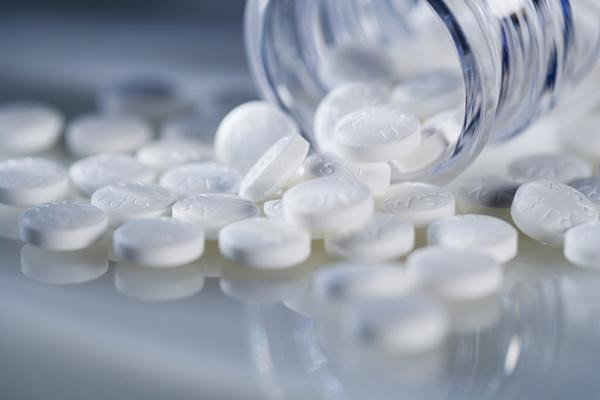
Far fewer people are considered candidates for low-dose aspirin to prevent heart disease with the updated PREVENT risk calculator compared with an older version, a new analysis suggests.
In 2023, the American Heart Association unveiled the PREVENT calculator to replace an older calculator used to estimate a person's risk of cardiovascular disease (including heart attack and stroke) over a 10-year period. The updated tool considers additional factors such as body mass index and kidney function. Based on a sample of 3,158 middle-aged adults without heart disease, researchers found that with the PREVENT calculator, only about 1% would qualify for preventive aspirin use, compared to 8% with the older calculator. Because daily aspirin can cause potentially dangerous bleeding, it's only recommended for people at high risk (defined as a 10% likelihood over 10 years) for a cardiovascular-related problem. For now, the risk thresholds regarding aspirin advice require additional study, say the authors, whose report was published online Sept. 29, 2025, by JAMA Internal Medicine.
Of note: most adults in the sample who reported taking low-dose aspirin didn't meet criteria for taking aspirin by either calculator. Always check with your doctor before taking daily low-dose aspirin, especially if you do not have heart disease.
Image: © Tetra Images/Getty Images
About the Author

Julie Corliss, Executive Editor, Harvard Heart Letter
About the Reviewer

Robert H. Shmerling, MD, Senior Faculty Editor, Harvard Health Publishing; Editorial Advisory Board Member, Harvard Health Publishing
Disclaimer:
As a service to our readers, Harvard Health Publishing provides access to our library of archived content. Please note the date of last review or update on all articles.
No content on this site, regardless of date, should ever be used as a substitute for direct medical advice from your doctor or other qualified clinician.


