










Aldosterone overload: An underappreciated contributor to high blood pressure
Recent guidelines recommend broader screening for elevated levels of aldosterone, a hormone produced by the adrenal glands.
- Reviewed by Anna Krawisz, MD, Contributor
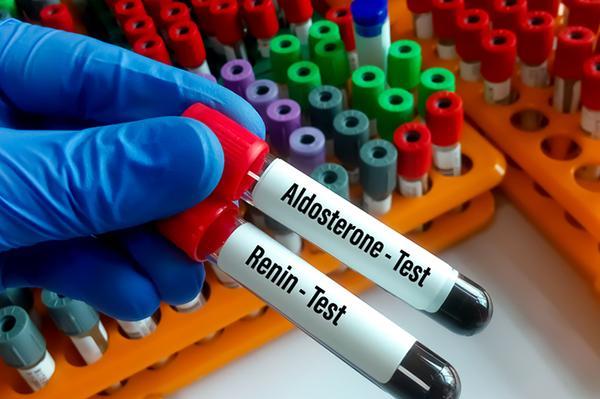
If you have high blood pressure, new guidelines from the Endocrine Society recommend getting a blood test to screen for high aldosterone levels to identify a condition known as primary aldosteronism. A hormone made by the adrenal glands, aldosterone helps regulate the balance of water, sodium, and potassium in the body. Excess aldosterone causes the kidneys to hold on to too much sodium and water and that can raise blood pressure.
Primary aldosteronism was once considered a rare cause of high blood pressure. But experts now believe the condition is underrecognized and undertreated. "Up to 25% of people with resistant hypertension are thought to have primary aldosteronism," says Dr. Anna Krawisz, a cardiologist at Harvard-affiliated Beth Israel Deaconess Medical Center. (Resistant hypertension refers to blood pressure that remains stubbornly elevated even when people take three or more blood pressure drugs, including a diuretic.) Between 5% and 10% of all people with high blood pressure may have primary aldosteronism, she adds.
What causes primary aldosteronism?
The triangle-shaped adrenal glands - one perched atop each kidney - produce several key hormones, including aldosterone (see illustration). Primary aldosteronism results from a problem within the adrenal glands, such as a benign growth (adenoma) in one gland known as Conn's syndrome. Some people have idiopathic aldosteronism: overactivity of both glands with no known cause.
As is true for most people with high blood pressure, people with primary aldosteronism often have no symptoms. While many have normal potassium blood levels, some have low levels because high aldosterone also causes potassium loss in the urine. "A low potassium level, called hypokalemia, can cause headaches, dizziness, and muscle cramps," says Dr. Krawisz. Other people notice unusual fatigue, excessive thirst, frequent urination, or numbness or tingling in an arm or leg.
|
The adrenal glands, located atop each kidney, secrete many hormones, including aldosterone. Aldosterone helps the kidneys manage water, sodium, and potassium. Too much aldosterone can cause the kidneys to retain too much water and sodium and to increase potassium loss in the urine. Illustration by Scott Leighton |

Screening for primary aldosteronism
While the new guidelines recommend screening for everyone with hypertension, those most likely to have the condition include those who have
- resistant hypertension
- high blood pressure that developed before age 40
- high blood pressure along with sleep apnea
- low blood levels of potassium
- family members with primary aldosteronism.
The screening test measures blood levels of aldosterone and renin, a protein made by the kidneys that also helps regulate blood pressure. Ideally, you should do the test between 8 a.m. and 10 a.m., since aldosterone levels peak in the morning, says Dr. Krawisz. A high aldosterone-to-renin ratio (above 20 or 30, depending on the lab) suggests the diagnosis of primary aldosteronism.
People may need additional tests to confirm the diagnosis. These include an MRI or CT scan of the abdomen to check for adrenal adenoma. Some people undergo a test called adrenal vein sampling to see which adrenal gland is overactive. This slightly tricky procedure involves taking blood samples directly from the veins draining the right and left adrenal glands.
Treating primary aldosteronism
If testing reveals that an adrenal adenoma on one side is the source of the problem, a minimally invasive surgery to remove the gland may cure the condition. But most people with aldosteronism receive either spironolactone or eplerenone, drugs known as mineralocorticoid receptor antagonists (MRAs) that block the effects of excess aldosterone. Treatment can help people reach their blood pressure target with fewer medications and can also restore normal potassium levels.
Growing evidence suggests that high aldosterone levels may affect the heart in ways other than just blood pressure, notes Dr. Krawisz. There are aldosterone receptors throughout the body, including on the blood vessels, heart, and brain. A 2025 review in JACC: Advances highlights the potential benefits of treating high aldosterone with MRAs, which help reduce inflammation, scarring, and other changes in the kidneys, heart, and blood vessels. Even if you're able to control your blood pressure using several medications, you may have unrecognized high aldosterone levels, she says. "If that's the case and you're not getting targeted treatment with an MRA or other therapy, you may be missing out on a potentially lower risk of cardiovascular problems," she adds.
Image: © Md Saiful Islam Khan/Getty Images
About the Author

Julie Corliss, Executive Editor, Harvard Heart Letter
About the Reviewer

Anna Krawisz, MD, Contributor
Disclaimer:
As a service to our readers, Harvard Health Publishing provides access to our library of archived content. Please note the date of last review or update on all articles.
No content on this site, regardless of date, should ever be used as a substitute for direct medical advice from your doctor or other qualified clinician.


