










For now, electric cars appear safe for people with implanted heart devices
News briefs
- Reviewed by Robert H. Shmerling, MD, Senior Faculty Editor, Harvard Health Publishing; Editorial Advisory Board Member, Harvard Health Publishing
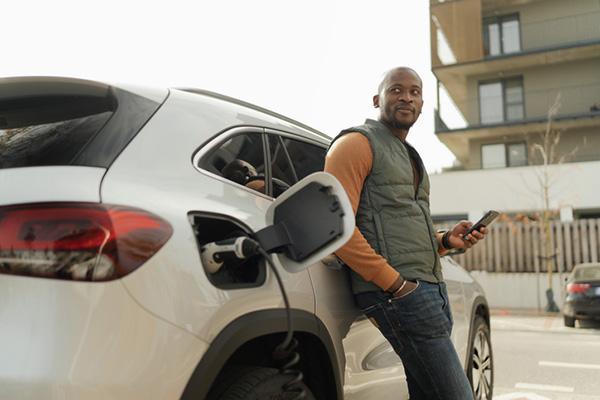
Every year, about 300,000 people in the United States receive a surgically implanted electronic heart device, such as a pacemaker or implantable cardioverter-defibrillator. In theory, exposure to electric vehicles and charging stations could interfere with these devices.
A review of findings from five previous studies, published Nov. 7, 2025, in JACC Asia, found no evidence of significant interference in people with implanted heart devices. While no immediate cardiovascular risks were apparent, some evidence suggests possible biological effects, including subtle changes in the heart's electrical activity. As such, the long-term risk of exposure to electric cars remains uncertain, the authors said.
If you have an implanted heart device, make sure to review the brochure for your model. It details potential sources of electromagnetic interference from various machines and gadgets and ways to minimize your exposure. For example, while charging an electric car, you should maintain a safe distance (at least 12 inches) from the charging station.
Image: © Halfpoint Images/Getty Images
About the Author

Julie Corliss, Executive Editor, Harvard Heart Letter
About the Reviewer

Robert H. Shmerling, MD, Senior Faculty Editor, Harvard Health Publishing; Editorial Advisory Board Member, Harvard Health Publishing
Disclaimer:
As a service to our readers, Harvard Health Publishing provides access to our library of archived content. Please note the date of last review or update on all articles.
No content on this site, regardless of date, should ever be used as a substitute for direct medical advice from your doctor or other qualified clinician.


