Retina scan may provide clues to early heart disease
Research we're watching
- Reviewed by Christopher P. Cannon, MD, Contributor
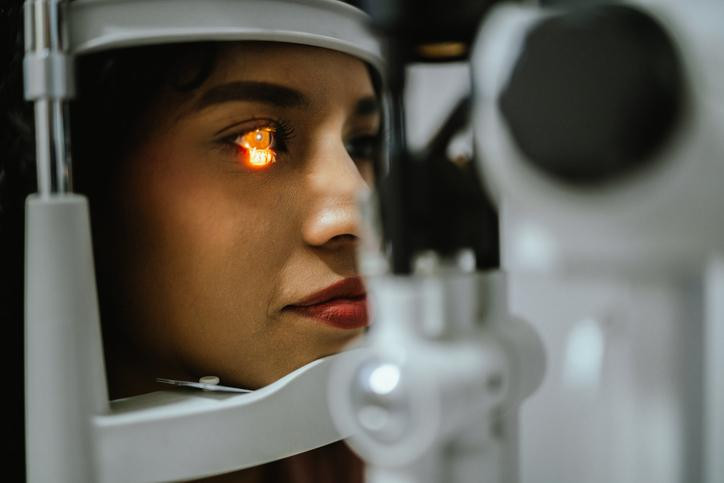
An eye scan that provides detailed, three-dimensional images of blood vessels in the retina may help identify people who should be screened for atherosclerosis, a new study suggests. The retina is the light-sensitive layer of cells inside the back of the eyeball.
The study included 1,286 people (average age 64) without symptoms of heart disease. All underwent specialized scans to evaluate blood vessels in their hearts and their eyes. Researchers found that the density of tiny vessels near the center of the retina was closely linked to early signs of plaque buildup in the heart's arteries.
The scans, called retinal optical coherence tomography angiography (OCTA), could be integrated with traditional heart disease risk factors to help identify people who might benefit from additional cardiovascular testing, said the authors. Their findings were published online Sept. 17, 2025, by JAMA Cardiology.
Image: © FG Trade Latin /Getty Images
About the Author

Julie Corliss, Executive Editor, Harvard Heart Letter
About the Reviewer

Christopher P. Cannon, MD, Contributor
Disclaimer:
As a service to our readers, Harvard Health Publishing provides access to our library of archived content. Please note the date of last review or update on all articles.
No content on this site, regardless of date, should ever be used as a substitute for direct medical advice from your doctor or other qualified clinician.