










Waking up to urinate at night affects blood pressure
News briefs
- Reviewed by Robert H. Shmerling, MD, Senior Faculty Editor, Harvard Health Publishing; Editorial Advisory Board Member, Harvard Health Publishing
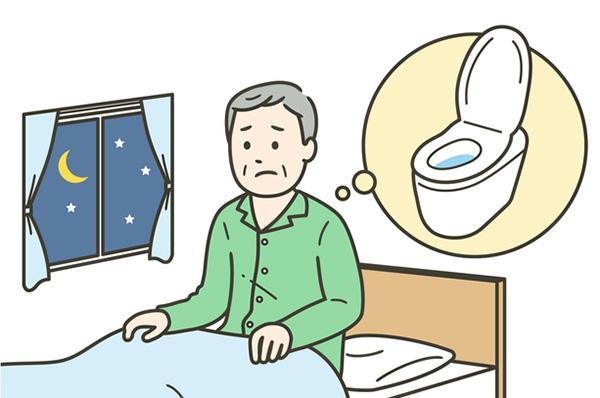
The need to wake up at night to urinate - known as nocturia - is a common cause of poor sleep, especially in older people. A study in the December 2025 issue of Hypertension suggests that among people with high blood pressure, nocturia may increase blood pressure during sleep.
The study included 1,252 people who were taking at least one medication to treat high blood pressure; their average age was 67. They wore special devices with multiple sensors that continuously tracked their movement and measured their blood pressure every 30 minutes over a 24-hour period. The participants also reported their sleep time, awake time, nocturia frequency, and sleep quality in a diary.
Researchers compared nighttime blood pressure (based on when people said they went to bed and arose in the morning) with sleep blood pressure (defined as blood pressure without physical activity during sleep). They found that nocturia was closely linked to elevated blood pressure during sleep, which was unrelated to any activity during the night. Nocturia had a greater impact on blood pressure than self-reported poor sleep. Possible causes of nocturia include lifestyle habits, age-related changes, and underlying health conditions.
Image: © yuki goto/Getty Images
About the Author

Julie Corliss, Executive Editor, Harvard Heart Letter
About the Reviewer

Robert H. Shmerling, MD, Senior Faculty Editor, Harvard Health Publishing; Editorial Advisory Board Member, Harvard Health Publishing
Disclaimer:
As a service to our readers, Harvard Health Publishing provides access to our library of archived content. Please note the date of last review or update on all articles.
No content on this site, regardless of date, should ever be used as a substitute for direct medical advice from your doctor or other qualified clinician.


