










What is a cardioversion procedure?
Ask the doctor
- Reviewed by Robert H. Shmerling, MD, Senior Faculty Editor, Harvard Health Publishing; Editorial Advisory Board Member, Harvard Health Publishing
Q. I’m feeling anxious about my upcoming cardioversion procedure, which my cardiologist recommended to treat my persistent atrial fibrillation. What can I expect during and after the procedure?
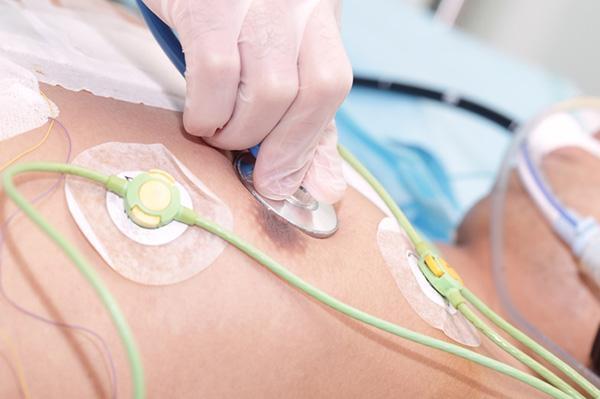
A. Electrical cardioversion is generally a safe, painless procedure used to convert a rapid or irregular heartbeat (such as atrial fibrillation) back to a normal rhythm. You’ll be asleep during the treatment, which delivers brief, electrical shocks through pads placed on your chest. Here’s a rundown of what to expect during the procedure and how it may help.
Atrial fibrillation (afib) causes blood to pool and stagnate in the heart’s upper chambers, increasing the risk of blood clots. Such a clot can travel to the brain and cause a stroke, which is why most people with afib take anti-clotting medications (anticoagulants). Cardioversion can dislodge existing blood clots — a risk that persists for about a month following the procedure. If you’re not already taking an anti-clotting drug, you’ll probably need to take one for three to four weeks before the procedure. That usually allows any existing blood clots to shrink, break down, and be reabsorbed.
Some people also receive a special ultrasound test called transesophageal echocardiography (TEE) immediately before cardioversion. You’ll receive a mild sedative, and the clinician will lower a tiny microphone-like sensor down your throat to check for clots inside the heart. The decision whether to have a TEE will depend on a number of factors, including how long you’ve been taking anticoagulants and how long you’ve had afib.
Before the cardioversion, you can’t eat or drink for eight to 12 hours. You’ll receive medications through a vein in your arm to make you sleepy. Two palm-sized electrode patches or paddles will typically be placed on your right upper chest and your lower left chest or your back. (These areas will be shaved beforehand, if needed.) Wires from the electrodes connect to a cardioversion machine. The electricity momentarily stuns the heart. When the heart “wakes up,” its internal pacemaker should take over and restore a regular, coordinated heartbeat.
After you’re sedated, the procedure takes only a few minutes, but you’ll be monitored for a few hours afterward. Cardioversion is successful about 90% of the time. But your heart may revert to an abnormal rhythm, sometimes shortly after the procedure, especially if you’ve had atrial fibrillation for many years. Your doctor may prescribe medications to help keep your heart in a normal rhythm. And you’ll need to continue taking anti-clotting medications for at least another month — or indefinitely, depending on your risk of stroke.
After successful cardioversion, you will likely find that any symptoms that accompanied your afib (such as episodes of feeling faint) are gone. You may also notice a boost in energy and stamina. Sometimes people don’t realize how low their energy levels had been until they undergo a successful cardioversion.
Image: © sudok1/Getty Images
About the Reviewer

Robert H. Shmerling, MD, Senior Faculty Editor, Harvard Health Publishing; Editorial Advisory Board Member, Harvard Health Publishing
Disclaimer:
As a service to our readers, Harvard Health Publishing provides access to our library of archived content. Please note the date of last review or update on all articles.
No content on this site, regardless of date, should ever be used as a substitute for direct medical advice from your doctor or other qualified clinician.


