

People who walk more or walk faster live longer, study finds

For sleep apnea, a dental device may be as effective as CPAP

Rosacea treatments: What works?

Carb cycling: What is it, and does it work?

Understanding orthorexia: Have your healthy eating goals gone too far?

Salmonella, E. coli, Cyclospora, and other germs that cause food poisoning: What you need to know

Melatonin or magnesium: Can either supplement help you sleep?

Naturally gluten-free foods

Shingrix shingles vaccine linked with lower heart disease risks

Harvard study: Healthier fats linked to longer life after prostate cancer diagnosis
Medications and treatments Archive
Articles
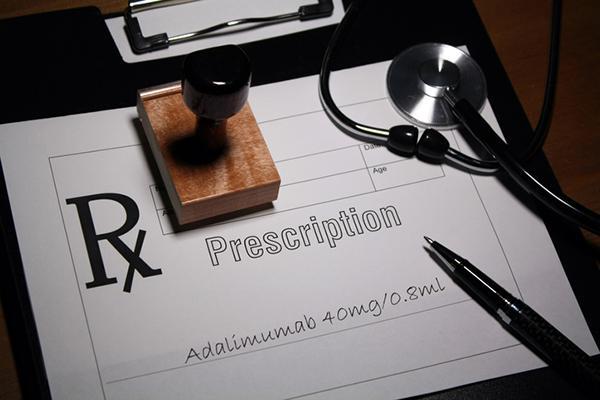
What are the long-term risks of taking the biologic treatment Humira?
Humira can control autoimmune disease, such as psoriatic arthritis. But it also alters immune defenses. Learn about infection, cancer, and other potential long‑term risks.
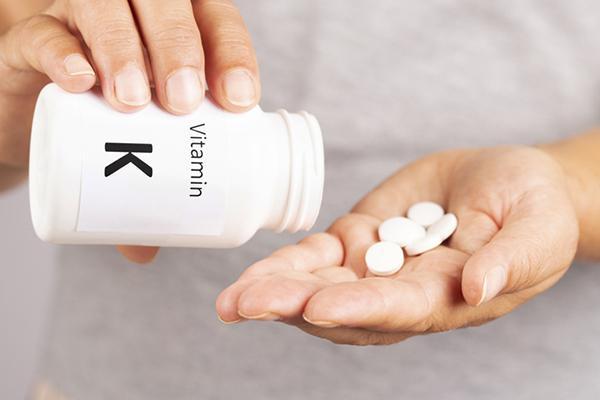
Is it safe for me to take vitamin K if I am already taking Plavix and aspirin?
Taking antiplatelet drugs can make any “blood thinner” advice confusing. Which blood-thinning medications vitamin K affects matters here.

Do all erectile dysfunction drugs have the same side effects?
Erectile dysfunction medicines act similarly but can vary in side effects, duration of action and food interactions.
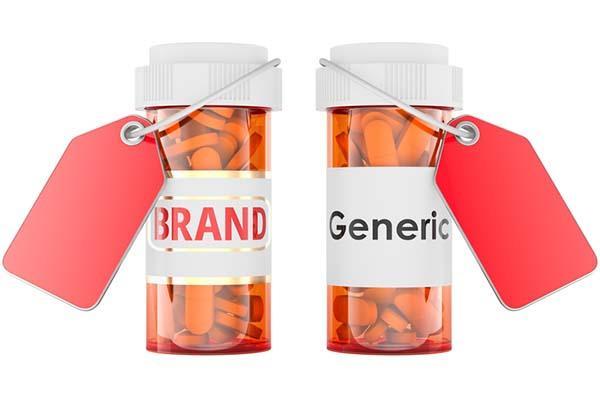
Could switching from Zoloft to generic sertraline explain weight gain?
Switching from a brand-name antidepressant to a generic can raise questions about side effect changes such as weight gain.
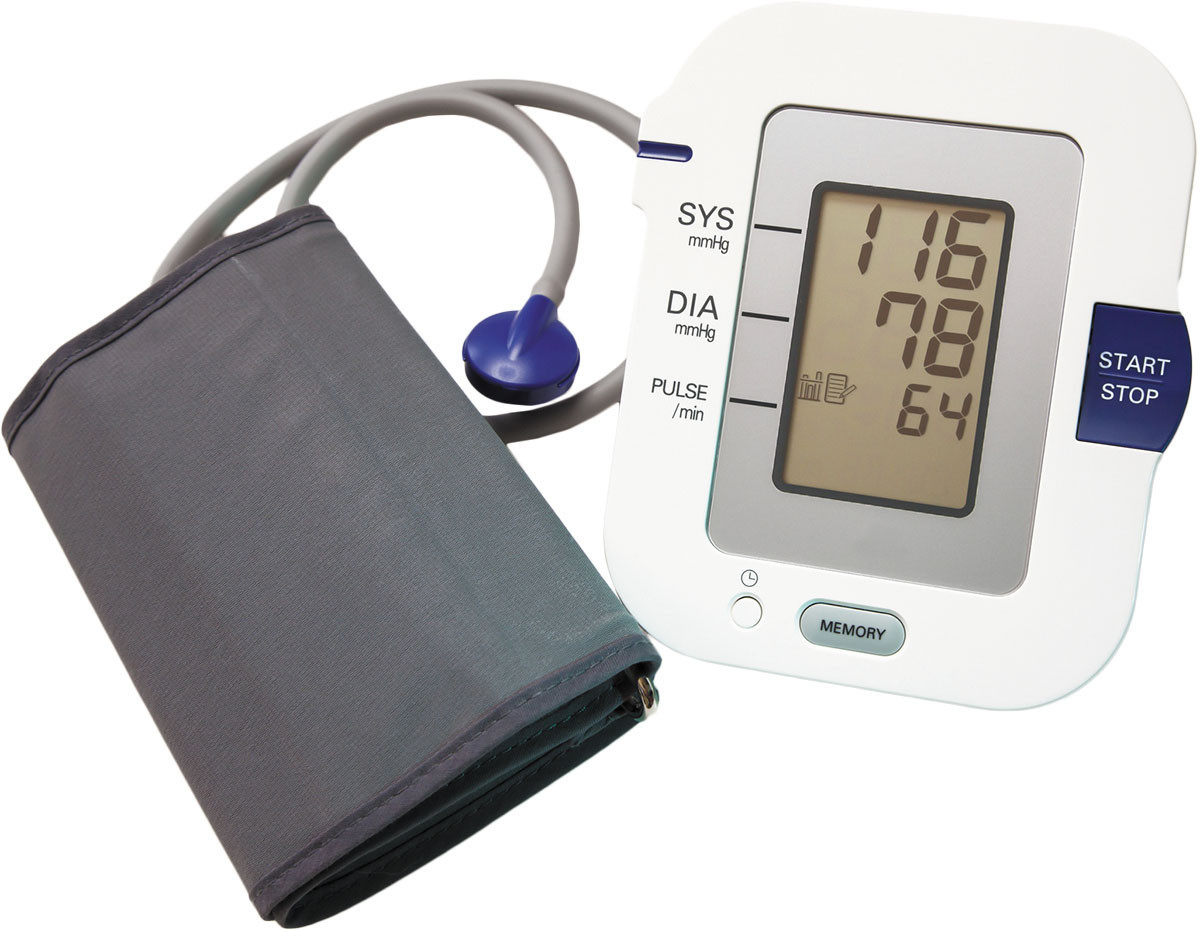
Is your home blood pressure monitor accurate?
Many home blood pressure monitors are not validated for accuracy, which means there's no way to know if information they provide is correct. Relying on inaccurate measurements can affect decisions people make about medical treatment. Fortunately, reliable organizations have developed lists of blood pressure monitors that have demonstrated clinical accuracy. If a blood pressure monitor isn't listed, it's probably not validated.
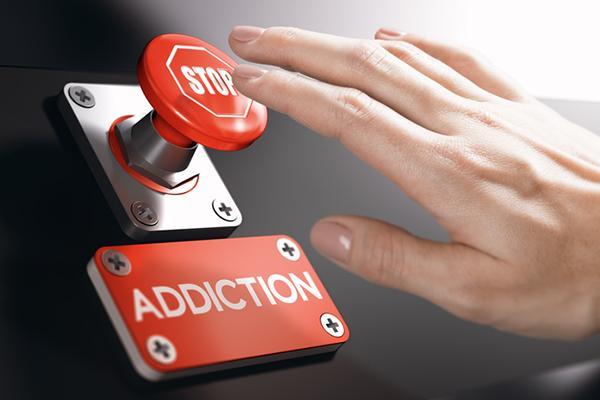
GLP-1 drugs may lower odds of developing substance use disorders
A 2026 study suggests that people who take GLP-1 drugs—prescribed for diabetes and weight loss—are less likely to develop a substance use disorder. Among people who already have addiction, use of a GLP-1 was linked with fewer complications such as overdose and death.

What is statin intensity and how should it guide my treatment?
Statin dosages fall into three categories (low, moderate, or high) based on how much the medication can lower LDL. The choice of a statin depends on a person's risk.
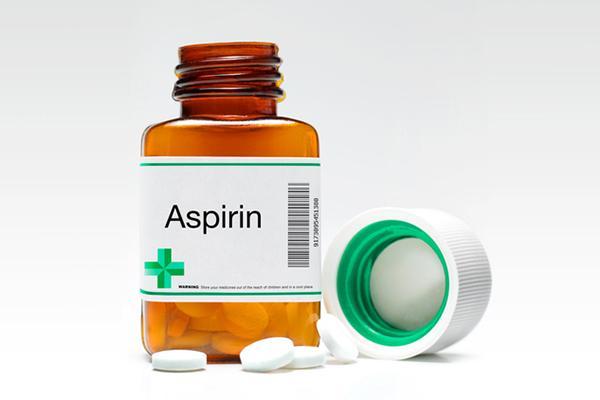
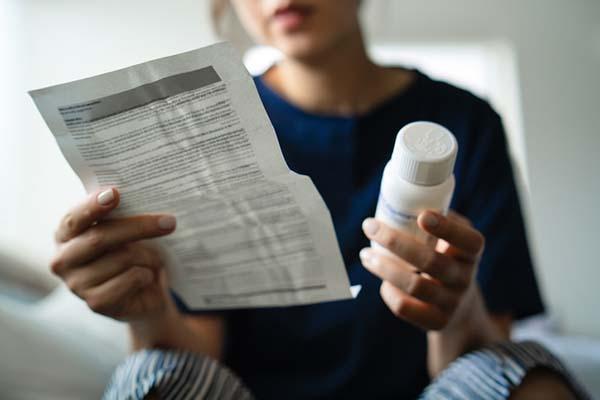
Why can side effects continue after you stop a medication?
Side effects from a stopped medicine can linger even after the drug is cleared. Find out what determines recovery time and when to seek help.

How can technology help people manage their health between — and during — doctor visits?
Data from apps or wearable devices can help people spot patterns, track changes, and notice potential problems earlier—information that’s valuable both between and during clinician appointments.
People who walk more or walk faster live longer, study finds
For sleep apnea, a dental device may be as effective as CPAP
Rosacea treatments: What works?
Carb cycling: What is it, and does it work?
Understanding orthorexia: Have your healthy eating goals gone too far?
Salmonella, E. coli, Cyclospora, and other germs that cause food poisoning: What you need to know
Melatonin or magnesium: Can either supplement help you sleep?
Naturally gluten-free foods
Shingrix shingles vaccine linked with lower heart disease risks
Harvard study: Healthier fats linked to longer life after prostate cancer diagnosis
Free Healthbeat Signup
Get the latest in health news delivered to your inbox!
Sign Up
