

People who walk more or walk faster live longer, study finds

For sleep apnea, a dental device may be as effective as CPAP

Rosacea treatments: What works?

Carb cycling: What is it, and does it work?

Understanding orthorexia: Have your healthy eating goals gone too far?

Salmonella, E. coli, Cyclospora, and other germs that cause food poisoning: What you need to know

Melatonin or magnesium: Can either supplement help you sleep?

Naturally gluten-free foods

Shingrix shingles vaccine linked with lower heart disease risks

Harvard study: Healthier fats linked to longer life after prostate cancer diagnosis
Medications and treatments Archive
Articles

How can you verify pills ordered from an online pharmacy?
Pills ordered online may look different from your usual medication. Know which details to compare and when to check with a pharmacist.

What can cause enlarged red blood cells?
Enlarged red blood cells on a routine blood test can have several explanations. Find out what your results may mean and when follow-up is needed.
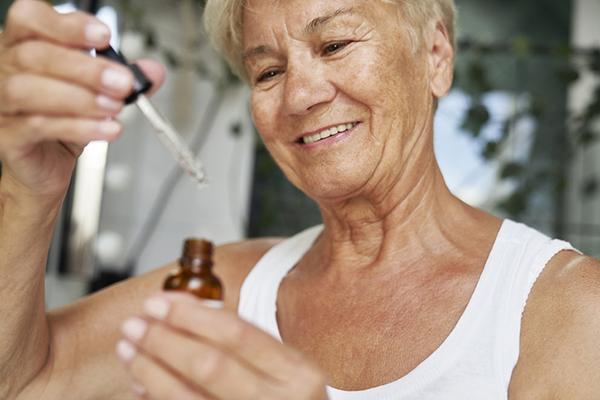
Hyaluronic acid for skin: Benefits, how to use it, and side effects
Hyaluronic acid is a naturally occurring compound in our bodies that attracts and binds water. It has become a widely used ingredient in a range of skin care products, from serums and moisturizers to eye creams and sunscreens. Using products formulated with hyaluronic acid can improve the look of aging skin by helping to replenish moisture and fill in or plump fine lines.
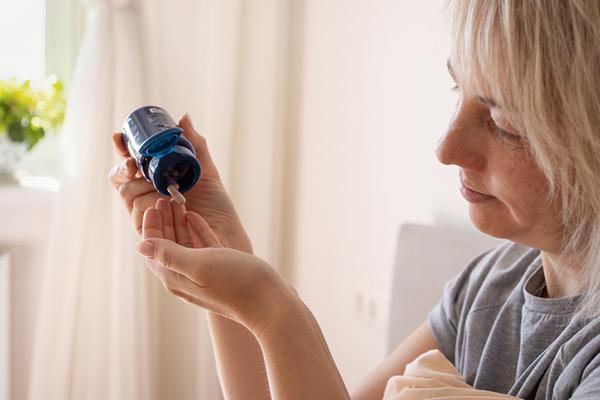
Ashwagandha: Benefits, side effects, and safety concerns
Ashwagandha is an herbal remedy that has long been used in traditional Indian medicine. In recent years, it’s also become popular in the United States. Proponents say it can help with stress and promote better sleep. However, we have only limited scientific evidence about ashwagandha, and it may not be safe for people with certain medical conditions.

Antiviral medications for winter bugs
Several factors increase the risk for complications from COVID-19 or influenza and should prompt someone to request an antiviral medication as soon as possible, even if they have been vaccinated or have had the infections before. The risk factors are age (being 65 or older), an impaired immune system, and underlying conditions (especially heart or lung disease). Pregnant women also are at increased risk for severe influenza and COVID, and should consider taking an antiviral.
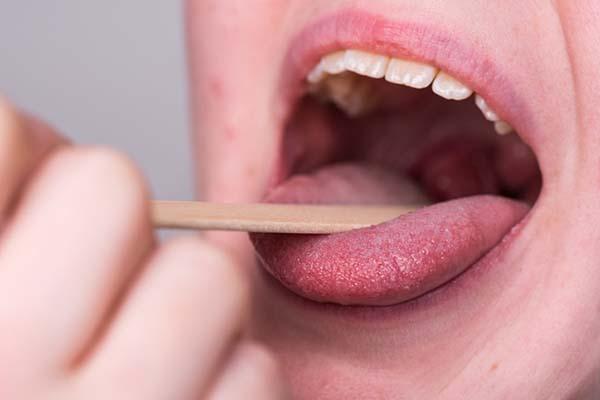
What could a persistent salty taste in the mouth mean?
A strong salty taste that lingers in the mouth and upsets the stomach can signal several issues, from dehydration to medications and sinus problems.

Why might your GGT (gamma-glutamyl transferase) level be elevated?
An elevated GGT result can have several explanations, from supplements and pain relievers to underlying liver conditions.

What is causing my low sodium level?
A low sodium result can have several explanations, and the clues often come from your medications, fluid balance, and overall health.

Can levothyroxine-related insomnia go away after adjusting the dose?
People on levothyroxine sometimes notice trouble sleeping, raising concerns about how long it will persist and whether dose changes could improve rest.

Could your heartburn medicine interfere with Plavix?
A common heartburn treatment may interact with an important heart medicine. Find out what to watch for and which options doctors may consider instead.
People who walk more or walk faster live longer, study finds
For sleep apnea, a dental device may be as effective as CPAP
Rosacea treatments: What works?
Carb cycling: What is it, and does it work?
Understanding orthorexia: Have your healthy eating goals gone too far?
Salmonella, E. coli, Cyclospora, and other germs that cause food poisoning: What you need to know
Melatonin or magnesium: Can either supplement help you sleep?
Naturally gluten-free foods
Shingrix shingles vaccine linked with lower heart disease risks
Harvard study: Healthier fats linked to longer life after prostate cancer diagnosis
Free Healthbeat Signup
Get the latest in health news delivered to your inbox!
Sign Up
