

People who walk more or walk faster live longer, study finds

For sleep apnea, a dental device may be as effective as CPAP

Rosacea treatments: What works?

Carb cycling: What is it, and does it work?

Understanding orthorexia: Have your healthy eating goals gone too far?

Salmonella, E. coli, Cyclospora, and other germs that cause food poisoning: What you need to know

Melatonin or magnesium: Can either supplement help you sleep?

Naturally gluten-free foods

Shingrix shingles vaccine linked with lower heart disease risks

Harvard study: Healthier fats linked to longer life after prostate cancer diagnosis
Medications and treatments Archive
Articles

Digital overload: Coping with the stress of screen time and other digital demands as we get older
Many older adults feel they can’t keep up with the deluge of apps, texts, emails, patient portals, social media, and video calls that are now part of everyday life. Age-related brain changes can make digital overload more challenging, and too much screen time can affect physical and mental health.
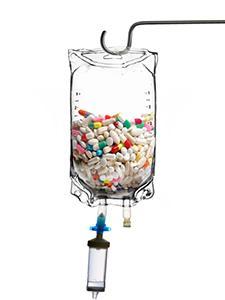
IV therapy for vitamin replenishment: Health boost or expensive placebo?
Intravenous (IV) vitamin therapy delivers vitamins, minerals, and fluids directly into the bloodstream. It is marketed as a quick fix for fatigue, immune health, and hangovers. But scientific evidence does not back up those claims, and IV therapy also poses risks.
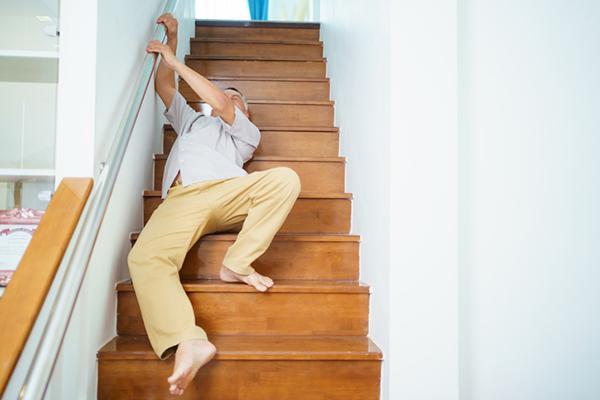
Medication side effects that can mimic "getting older"
Some prescription and over-the-counter drugs produce side effects that resemble problems tied to aging, such as memory lapses, balance issues, or fatigue. Older adults are more sensitive to medication side effects because their body composition and metabolism change.

AI in healthcare: Can a chatbot answer your medical questions?
Artificial intelligence (AI) chatbots can answer medical questions, but they don’t replace the medical judgment of doctors. For patients, AI is currently most useful for understanding medical conditions, explaining doctor’s notes and lab reports, and helping to prepare for doctor visits.

Ways to maximize your energy
People’s energy levels typically decrease later in life as a result of aging, illness, or other factors. Fortunately, a healthier lifestyle can boost energy. That involves eating a diet low in added sugars and processed foods, getting seven to nine hours of sleep each night, managing stress, getting lots of aerobic exercise, and strengthening the muscles. Using physical energy frugally is another useful strategy. For example, it helps to perform activities at a slow, steady pace instead of a fast pace; to break activities into small tasks instead of one large job; and to rest between tasks.
Is it safe for a woman to take Flomax to pass kidney stones?
Originally a prostate drug, Flomax is also used off label to ease the passage of fragmented kidney stones in both men and women.

Why might I feel faint after light exercise?
Momentary dizziness after a walk or rising from kneeling can signal blood pressure shifts, medications, heart disease, or low blood sugar. It merits a checkup.
Oral side effects of common medications
Many common medications can affect oral health, causing issues like dry mouth, taste changes, gum swelling, mouth sores, or thrush. Patients should check side effects on medication labels, report persistent symptoms, review medications annually, and keep up with regular dental visits.

Is your medication killing your sex drive?
Low libido can include both less desire for and less satisfaction with sex. A variety of medications can dampen sex drive by altering hormone levels or nerve signals, dulling sensation in the genitals, or triggering fatigue or mood changes. They include some antidepressants, cardiovascular drugs, antihistamines, antiseizure drugs, opioids, chemotherapy, hormone blockers, oral contraceptives, and fertility drugs. People whose medications affect their libido can ask their doctor to adjust the dose or timing or substitute another drug without sexual side effects.

Is MRI contrast dye safe?
MRI contrast dye is widely used and considered safe. It helps highlight blood vessels, tumors, and other structures to improve diagnostic accuracy. Rarely, contrast dye can trigger a serious condition called nephrogenic systemic fibrosis in people with advanced kidney disease.
People who walk more or walk faster live longer, study finds
For sleep apnea, a dental device may be as effective as CPAP
Rosacea treatments: What works?
Carb cycling: What is it, and does it work?
Understanding orthorexia: Have your healthy eating goals gone too far?
Salmonella, E. coli, Cyclospora, and other germs that cause food poisoning: What you need to know
Melatonin or magnesium: Can either supplement help you sleep?
Naturally gluten-free foods
Shingrix shingles vaccine linked with lower heart disease risks
Harvard study: Healthier fats linked to longer life after prostate cancer diagnosis
Free Healthbeat Signup
Get the latest in health news delivered to your inbox!
Sign Up
