

Whole grains may improve several heart risk factors at once

Light exposure at night may raise risk for heart disease

Children of centenarians may stay healthier and live longer too, study finds

A lumbar belt may help ease low back pain

Signs of pneumonia: Sometimes vague and unexpected

The surprising link between ovarian cancer and the fallopian tubes

Using a vibration plate: What it can — and can't — do for your body

People who walk more or walk faster live longer, study finds

Rosacea treatments: What works?

For sleep apnea, a dental device may be as effective as CPAP
Alzheimer's Archive
Articles
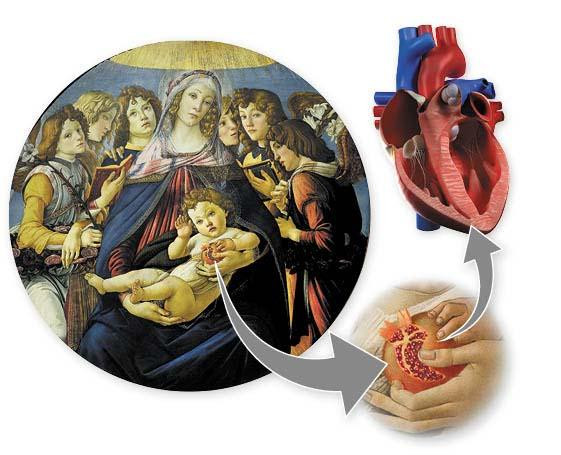
The art of the heart
Visual art in paintings, medical illustrations, and modern digital tools has influenced how people understand the human heart. The bridging of art and the heart dates back to Leonardo da Vinci, whose drawings laid the groundwork for modern cardiology. Today, the intersection of art and the heart may also contribute to healing through advocacy (such as art in public health campaigns), education (such as interactive animations to help people understand the heart), and innovation (such as three-dimensional models to illustrate procedures).

Fuzzy memory? Try these strategies
Simple strategies can help someone fight age-related memory slips. Tips include repeating new information by saying it out loud or writing it down a few times; associating an image with someone's name, such as thinking of a bouquet of roses after meeting a person named Rosie; grouping information in chunks, similar to grouping digits in a phone number; and writing information out by hand (as opposed to typing), which forces the brain to process and absorb data.

Forgetfulness doesn't always mean Alzheimer's
Many memory lapses are part of aging and don't signal Alzheimer's disease. Types of forgetfulness that usually aren't symptoms of dementia include forgetting names or details temporarily, misplacing objects but retracing steps to recover them, and occasional word retrieval problems. Signs of dementia include repeating questions and stories, getting lost on familiar routes, challenges with planning or solving problems, difficulty completing familiar tasks, new problems with words in speaking or writing, and withdrawing from social activities.

A green-Mediterranean diet may slow brain aging
A 2025 study suggested that following a green-Mediterranean diet - which includes walnuts, green tea, and the aquatic plant Mankai - may be linked with slower brain aging.

Dogs and cats may slow cognitive decline
A 2025 study suggests that owning a dog or cat may help slow cognitive decline as people age.

Can our brain talk to our immune system?
A 2025 study of 250 people found that the brain can tell the immune system to prepare for impending infection even before a microbe enters the body. Scientists asked volunteers to don virtual reality headsets that showed various virtual people approaching them. Some of those approaching appeared to be healthy and others appeared to be sick. Brain scans and blood tests showed that participants' brains activated their immune systems when a virtual sick person simply came near them.

Maintaining a sense of purpose in later life may protect against dementia
In a 2025 study, adults 45 and older with a strong sense of purpose were 28% less likely to develop cognitive impairment or dementia compared with individuals who had a low sense of purpose.

Chronic insomnia may raise the risk of cognitive decline
People who suffer from chronic insomnia are more likely to develop cognitive problems and score lower on thinking and memory tests compared with individuals without chronic insomnia, a 2025 study suggests.
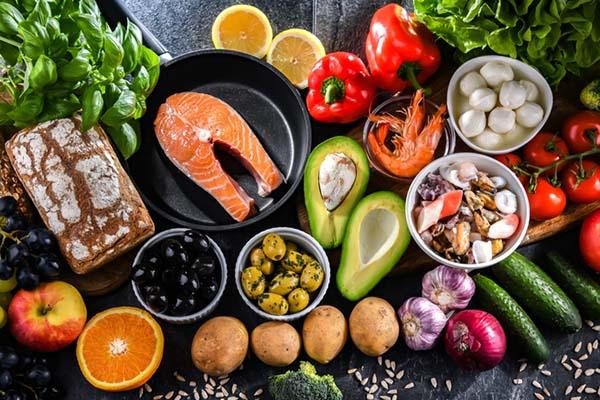
Mediterranean diet may lower risk of Alzheimer's disease in people with high-risk genes
A 2025 study of over 5,600 women and men followed for over 30 years found that following a Mediterranean diet may reduce the risk of Alzheimer's disease and improve cognitive function. The effect is strongest in people who carry two copies of the Alzheimer's risk gene APOE4.
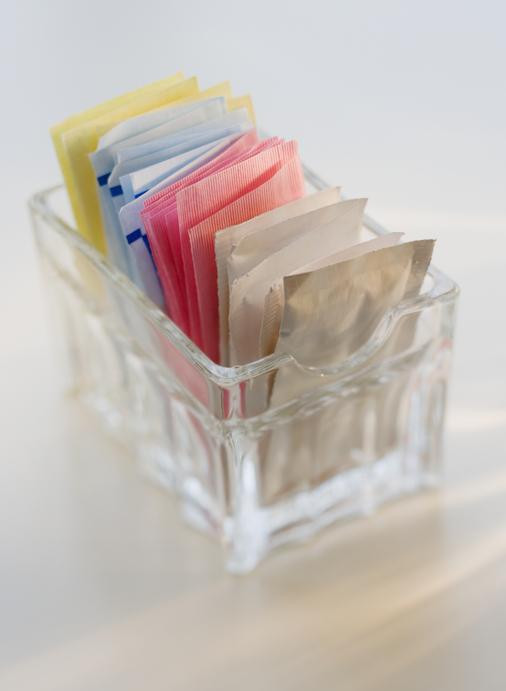
Artificial sweeteners may speed declines in memory and thinking
A 2025 study suggested that consuming larger amounts of artificial sweeteners such as aspartame and xylitol may be linked to faster declines in memory and thinking skills.
Whole grains may improve several heart risk factors at once
Light exposure at night may raise risk for heart disease
Children of centenarians may stay healthier and live longer too, study finds
A lumbar belt may help ease low back pain
Signs of pneumonia: Sometimes vague and unexpected
The surprising link between ovarian cancer and the fallopian tubes
Using a vibration plate: What it can — and can't — do for your body
People who walk more or walk faster live longer, study finds
Rosacea treatments: What works?
For sleep apnea, a dental device may be as effective as CPAP
Free Healthbeat Signup
Get the latest in health news delivered to your inbox!
Sign Up
