

Whole grains may improve several heart risk factors at once

Light exposure at night may raise risk for heart disease

Children of centenarians may stay healthier and live longer too, study finds

A lumbar belt may help ease low back pain

Signs of pneumonia: Sometimes vague and unexpected

The surprising link between ovarian cancer and the fallopian tubes

Using a vibration plate: What it can — and can't — do for your body

People who walk more or walk faster live longer, study finds

Rosacea treatments: What works?

For sleep apnea, a dental device may be as effective as CPAP
Alzheimer's Archive
Articles

MIND diet may slow age-related brain changes
A long-running study found that closely following the MIND Diet was linked with significantly slower age-related brain changes, including 20% less shrinkage in grey matter—equivalent to slowing brain aging by 2.5 years. However, it’s not known if these changes translate to better brain function.
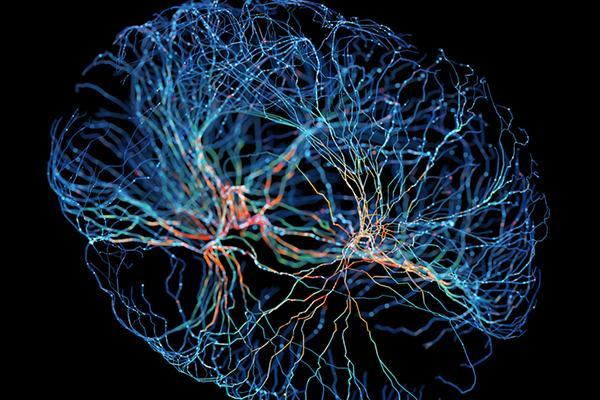
What is neurogenesis?
Neurogenesis is the birth of new nerve cells, called neurons, in the brain. The ability to grow new neurons appears more prominent in super-agers, people 80 and older whose thinking and memory skills are as sharp as adults who are decades younger.
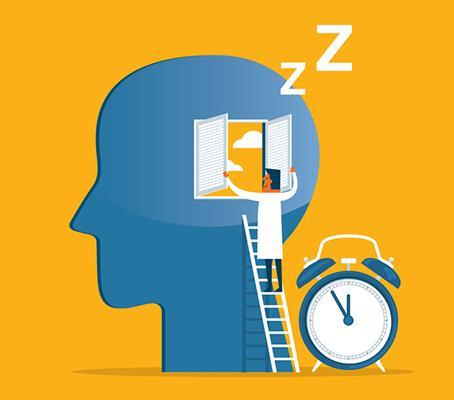
The brain's cleanup crew works while we sleep
The glymphatic system serves as the brain’s cleanup crew. It promotes the circulation of cerebrospinal fluid through the brain during deep sleep, flushing away amyloid and other proteins that can lead to neurological conditions such as Alzheimer’s, Parkinson’s disease, and Lewy body dementia.

7 things you can do to prevent a stroke
Aging and a family history can increase the risk for a stroke, but women can lower it by managing factors that are under their control-such as diet, exercise, blood pressure, smoking, and diabetes.

What are the best treatment options for essential tremor?
When tremors progress from a mild nuisance to disrupting daily life, specific therapies may offer relief and help steady your movements.

What is encephalitis?
Encephalitis, or brain inflammation, can cause symptoms ranging from mild, flu‑like illness to life‑threatening confusion and coma. Causes, recovery, and urgent treatments vary by virus.

Could my symptoms be due to Parkinson's disease or another neurological condition?
Tingling, leg weakness, and voice changes can be alarming. Learn how doctors sort out these symptoms and when Parkinson's disease may be suspected.

Helping with grandchildren may stave off cognitive decline
A 2026 study suggested that helping care for grandchildren can offer cognitive benefits, helping older adults maintain stronger memory and language skills. Grandmothers who helped with childcare-related tasks also showed less overall cognitive decline over time than non-caregiving peers.

LATE dementia: Why it's often missed — and why it matters
LATE dementia (which stands for limbic-predominant age-related TDP-43 encephalopathy) was formally recognized in 2019. LATE and Alzheimer's disease both involve progressive memory loss, but LATE usually advances more slowly than Alzheimer's.

Is occasional forgetfulness a normal part of aging?
Name slips and misplaced keys can feel unsettling in your 70s. Learn which memory changes are typical and when they might signal something more.
Whole grains may improve several heart risk factors at once
Light exposure at night may raise risk for heart disease
Children of centenarians may stay healthier and live longer too, study finds
A lumbar belt may help ease low back pain
Signs of pneumonia: Sometimes vague and unexpected
The surprising link between ovarian cancer and the fallopian tubes
Using a vibration plate: What it can — and can't — do for your body
People who walk more or walk faster live longer, study finds
Rosacea treatments: What works?
For sleep apnea, a dental device may be as effective as CPAP
Free Healthbeat Signup
Get the latest in health news delivered to your inbox!
Sign Up
