

Fatty liver disease: Should you be tested?

Weight-loss drug may lower risk of heart attacks and infections

Testosterone therapy without evidence of deficiency may boost heart risk

Even a little exercise linked with lower stroke risk in people with afib

Antihistamines may not offer meaningful relief from eczema symptoms

What to eat on the DASH diet

Tricep workouts you can do at home

FDA approves first mRNA-based flu vaccine

Migraine: How it's diagnosed and what that means

Mindfulness practices to reduce stress and improve focus
Social engagement and relationships Archive
Articles

Stretching studios: Do you need what they offer?
One trend in the world of fitness is the stretching studio, providing assisted stretching sessions marketed as a way to improve flexibility and ease chronic pain. But those looking to boost their overall health are more likely to benefit from regular, moderate physical activity, and do their stretching at home.

5 skills teens need in life - and how to encourage them
All parents want their children to be happy and able to successfully navigate life's challenges. Five core skills form a great foundation, and while parents can and should support young children in building these skills, encouraging teens to reinforce and refine their skills is important.



What can I do about poor night vision?
Poor night vision could be caused by an outdated eyeglass prescription or an eye condition, such as dry eye, cataracts, or age-related macular degeneration. People should see an eye care specialist for a complete eye exam to check for these issues.
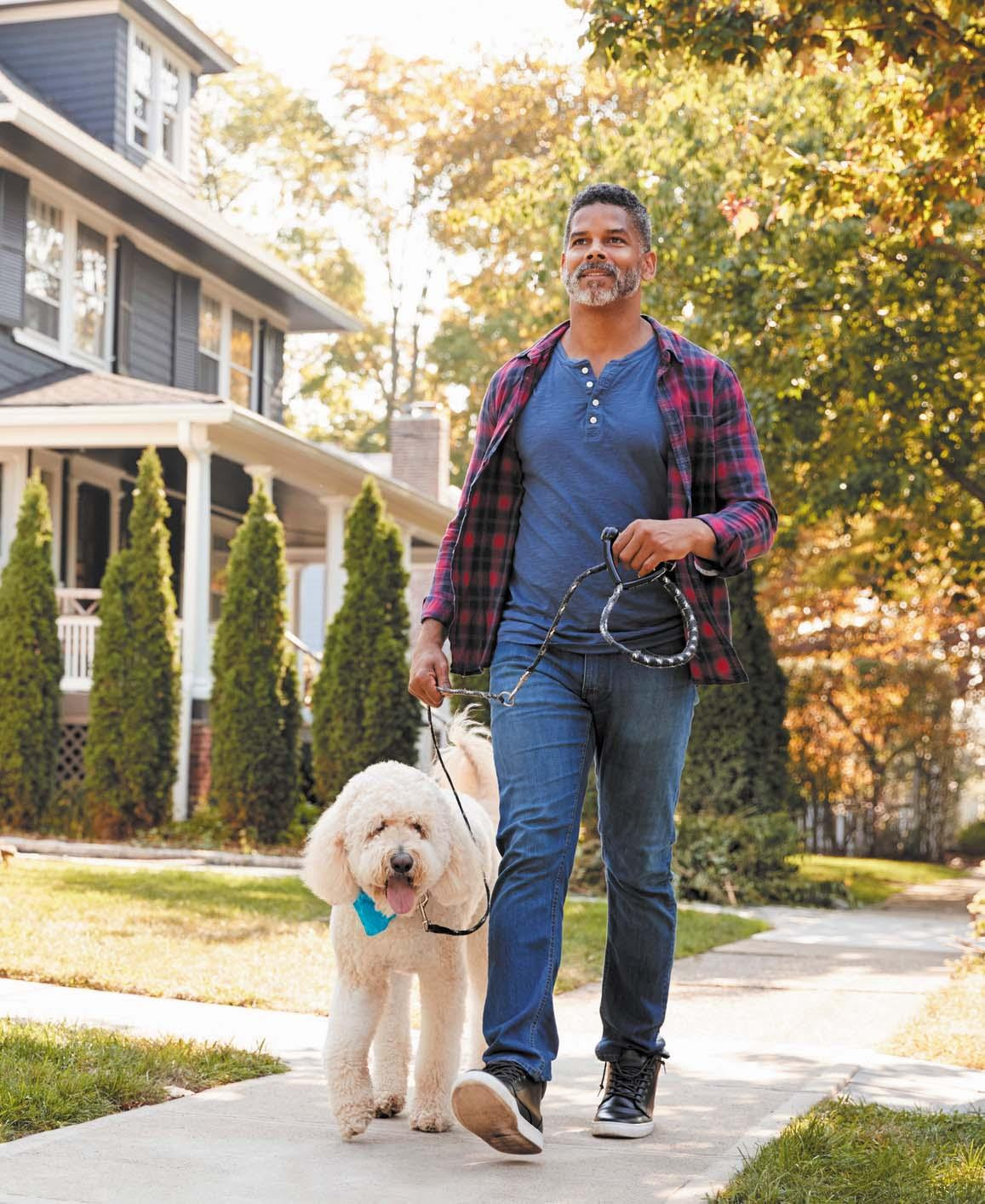
5 simple ways to improve gut health
Gut health plays a bigger role in overall well-being than many people realize, affecting digestion, mood, and immunity. Simple daily choices around food, movement, sleep, stress, and hydration can support a healthier, more resilient gut.
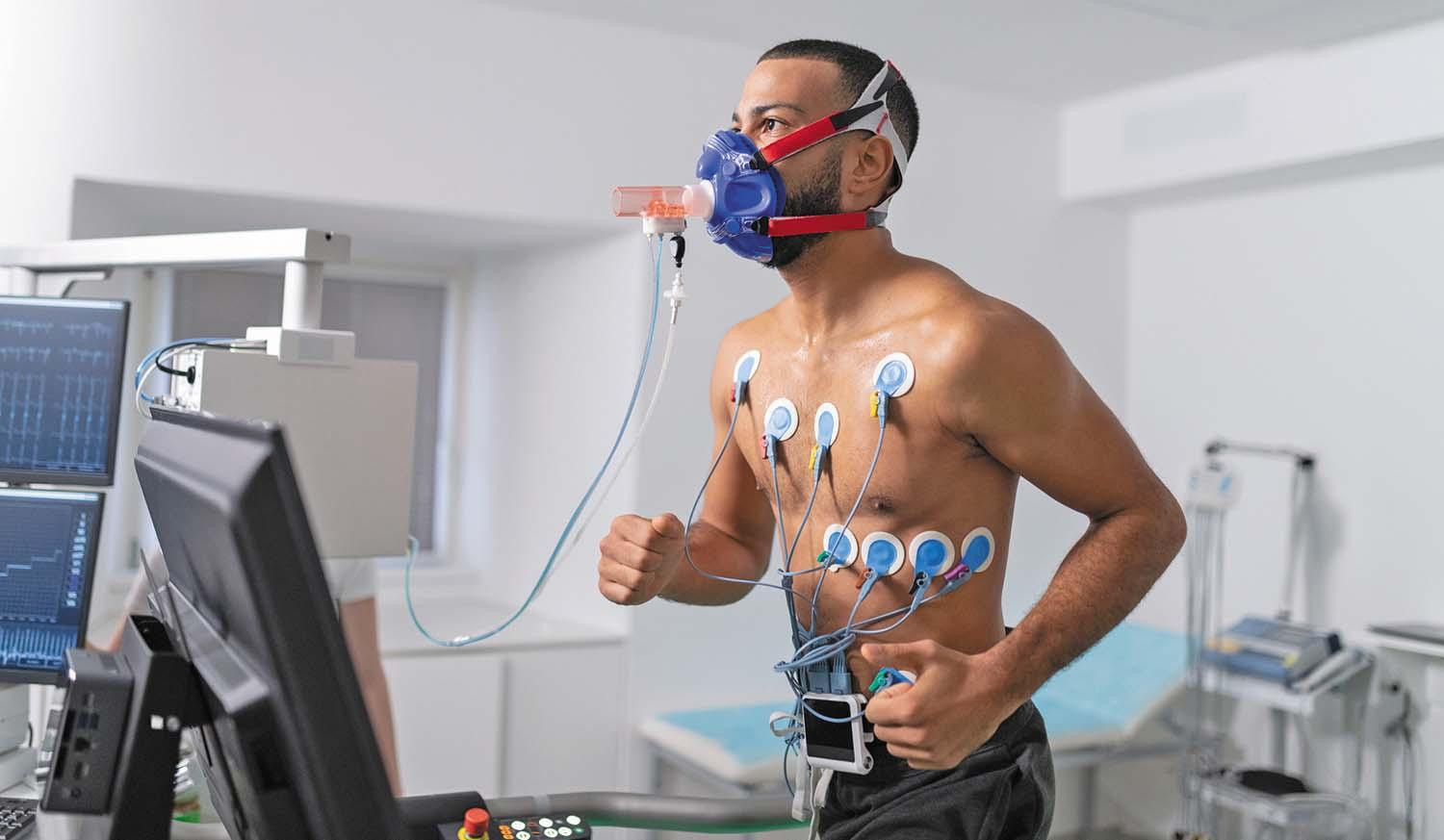
VO2 max: What it is and how you can improve it
VO2 max is a way to gauge how efficiently the body uses oxygen during exercise, offering a window into fitness and long-term health. People can usually improve it over time with consistent aerobic activity, intervals, and smart training changes.
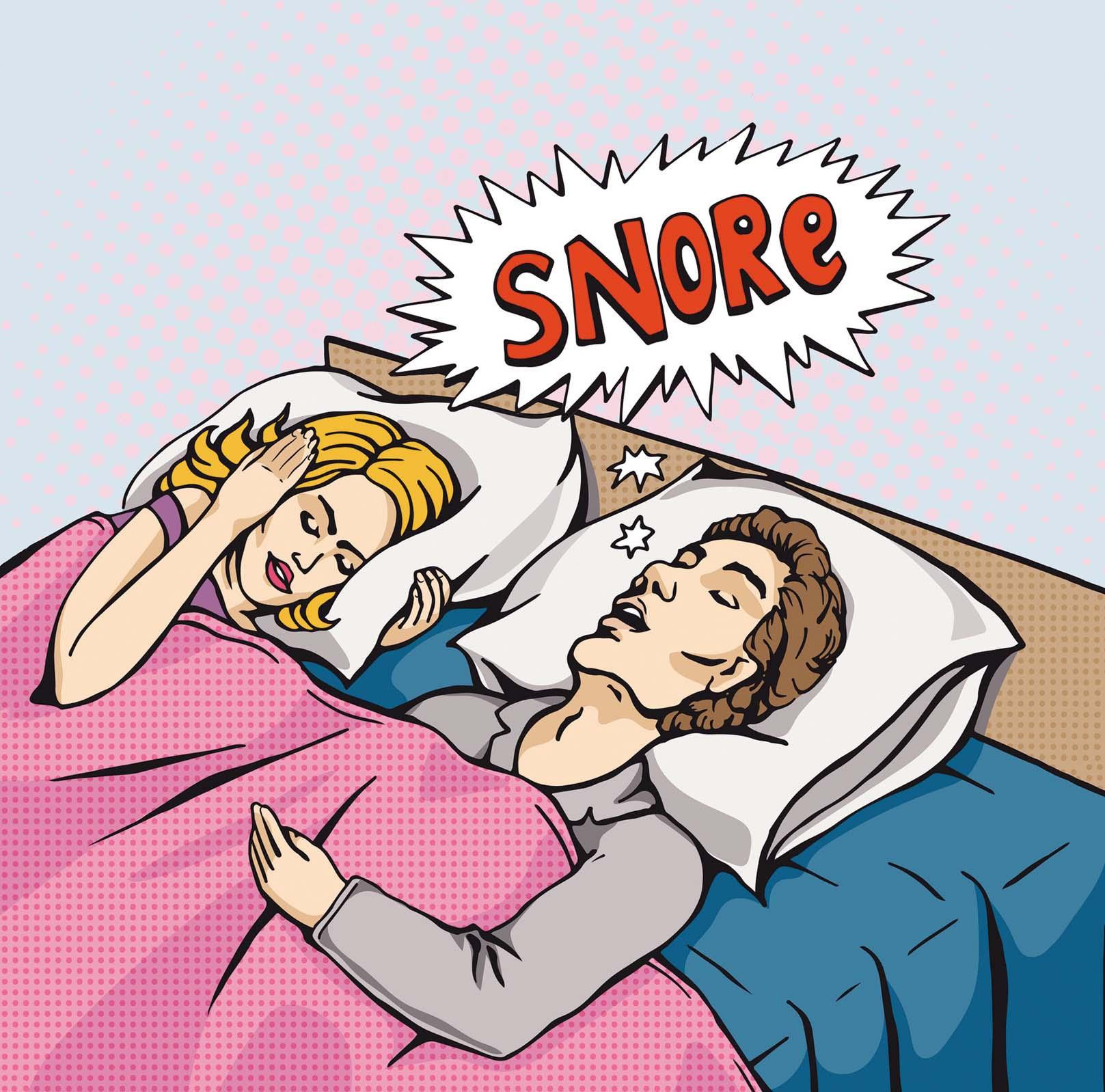
Do products that claim to stop your snoring actually work?
Snoring can strain sleep and relationships, but certain devices and habits may help. Positional aids, oral appliances, and lifestyle changes sometimes reduce noise, while persistent or severe symptoms warrant a medical check to rule out conditions like sleep apnea.
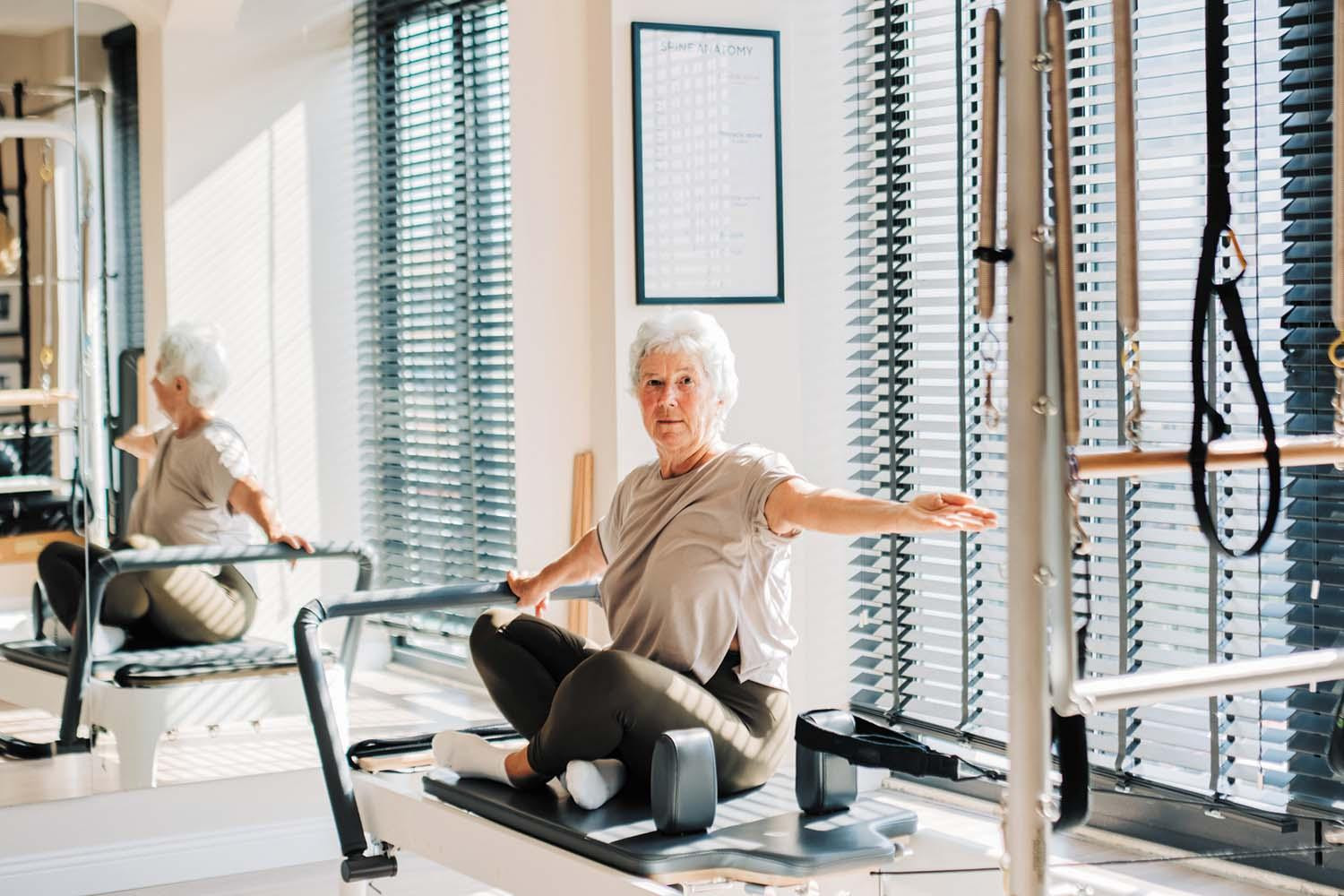
Pilates: A good workout option, even as we get older
Pilates can be a good low-impact workout option, especially as people get older. It focuses on core strength, balance, and flexibility, and can be adapted-on a mat, reformer, or even in a chair-to different abilities and comfort levels.
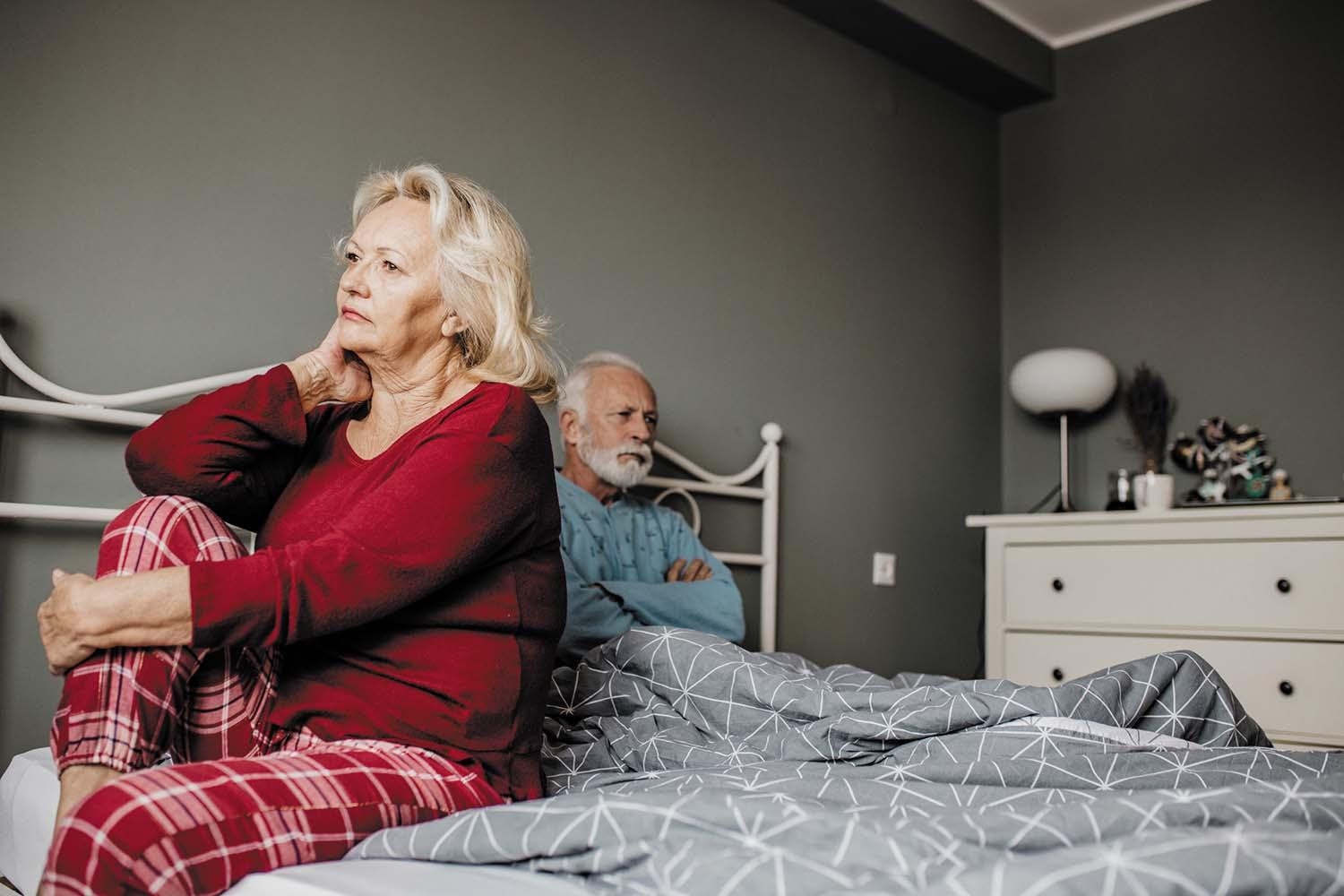
Will couples therapy improve your relationship?
Couples therapy gives partners a structured space to work through conflict, improve communication, and strengthen their bond with the help of a trained therapist. It's useful not only in times of crisis, but also when couples want to navigate big life changes or simply deepen their connection.
Fatty liver disease: Should you be tested?
Weight-loss drug may lower risk of heart attacks and infections
Testosterone therapy without evidence of deficiency may boost heart risk
Even a little exercise linked with lower stroke risk in people with afib
Antihistamines may not offer meaningful relief from eczema symptoms
What to eat on the DASH diet
Tricep workouts you can do at home
FDA approves first mRNA-based flu vaccine
Migraine: How it's diagnosed and what that means
Mindfulness practices to reduce stress and improve focus
Free Healthbeat Signup
Get the latest in health news delivered to your inbox!
Sign Up
