

Fatty liver disease: Should you be tested?

Weight-loss drug may lower risk of heart attacks and infections

Testosterone therapy without evidence of deficiency may boost heart risk

Even a little exercise linked with lower stroke risk in people with afib

Antihistamines may not offer meaningful relief from eczema symptoms

What to eat on the DASH diet

Tricep workouts you can do at home

FDA approves first mRNA-based flu vaccine

Migraine: How it's diagnosed and what that means

Mindfulness practices to reduce stress and improve focus
Social engagement and relationships Archive
Articles

Ways to maximize your energy
People’s energy levels typically decrease later in life as a result of aging, illness, or other factors. Fortunately, a healthier lifestyle can boost energy. That involves eating a diet low in added sugars and processed foods, getting seven to nine hours of sleep each night, managing stress, getting lots of aerobic exercise, and strengthening the muscles. Using physical energy frugally is another useful strategy. For example, it helps to perform activities at a slow, steady pace instead of a fast pace; to break activities into small tasks instead of one large job; and to rest between tasks.

Holiday arguments brewing? Here's how to defuse them
The holidays are supposed to be filled with love, laughter, and good cheer. Unfortunately, joyous celebration often deteriorates into discord when family and friends gather during the season. But you don’t have to get drawn into arguments if you plan ahead and stay alert for potential triggers.

Want more happiness? Try this
What could you do today to feel happier? Three strategies drawn from positive psychology, a field that aims to improve moods and lives, may help.
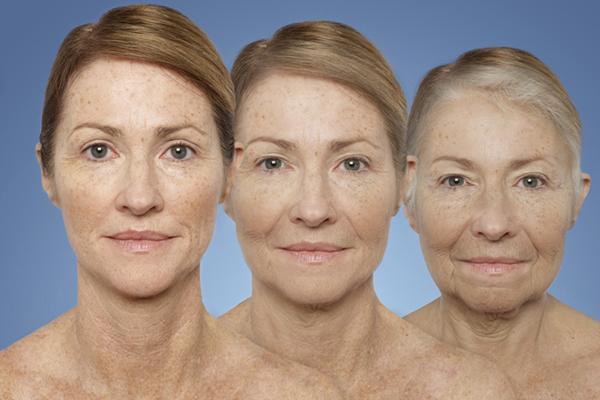
What factors speed up aging?
A variety of disparate factors can speed up people’s biological aging, which describes how well their body functions (in comparison to chronological aging). Drivers of aging include ultraviolet light, stress, smoking, obesity, radiation, and loneliness and social isolation.

Are you healthy enough to age in place?
There are many health-related requirements for living independently in older age. For example, one needs sharp thinking skills in order to manage medications, pay bills, choose clothes for the day, and select and buy groceries; and one needs strength, balance, and flexibility in order to get up from a chair, cook, or clean. People with weakening aspects of health should talk to a doctor for potential solutions to improve or cope with health challenges in order to continue living independently.


A new angle on aging in place: The virtual village
A virtual village is a group of older adults who live in their own homes, near each other, and agree to help each other. They form a self-governing nonprofit organization and volunteer to provide village services such as transportation, friendly visits, errands, exercise and social events, a dedicated hotline, and referrals to vetted services and suppliers. The village won't replace an assisted living facility or nursing home, but it may help delay the transition.

When should you hire in-home help or health aides?
Most people want to live at home for as long as possible as they age, and managing this successfully may mean hiring outside help. Considering this step raises many questions, and answering them honestly will help guide decisions about when and how to proceed.

Taking an aging parent to the doctor? 10 helpful tips
When you take an aging parent to a medical appointment, you wind up playing many roles. Millions of people in the US are caring for family members and are learning as they go along, so they can benefit from tips to keep them on track before, during, and after the appointment.

Fatty liver disease: Should you be tested?
Weight-loss drug may lower risk of heart attacks and infections
Testosterone therapy without evidence of deficiency may boost heart risk
Even a little exercise linked with lower stroke risk in people with afib
Antihistamines may not offer meaningful relief from eczema symptoms
What to eat on the DASH diet
Tricep workouts you can do at home
FDA approves first mRNA-based flu vaccine
Migraine: How it's diagnosed and what that means
Mindfulness practices to reduce stress and improve focus
Free Healthbeat Signup
Get the latest in health news delivered to your inbox!
Sign Up
