

Fatty liver disease: Should you be tested?

Weight-loss drug may lower risk of heart attacks and infections

Testosterone therapy without evidence of deficiency may boost heart risk

Even a little exercise linked with lower stroke risk in people with afib

Antihistamines may not offer meaningful relief from eczema symptoms

What to eat on the DASH diet

Tricep workouts you can do at home

FDA approves first mRNA-based flu vaccine

Migraine: How it's diagnosed and what that means

Mindfulness practices to reduce stress and improve focus
Social engagement and relationships Archive
Articles

A new angle on aging in place: The virtual village
A virtual village is a group of older adults who live in their own homes, near each other, and agree to help each other. They form a self-governing nonprofit organization and volunteer to provide village services such as transportation, friendly visits, errands, exercise and social events, a dedicated hotline, and referrals to vetted services and suppliers. The village won't replace an assisted living facility or nursing home, but it may help delay the transition.

Bridging the gap: Dementia communication strategies
Communicating with someone with dementia can be tricky, since their ability to understand others and express themselves fluctuates and declines. Certain communication strategies can help smooth interactions between caregivers and dementia patients. They include being an active listener, avoiding confrontation, agreeing with the patient's reality, removing distractions, using shorter sentences and smaller words, asking yes-or-no questions, using written lists and schedules, and incorporating touch.


Tackling the top stressors for dementia caregivers
Caring for a person with dementia is physically, emotionally, logistically, and financially demanding. Caregivers can benefit from numerous services, such as caregiver support groups; respite care; and dementia care navigators, such as the local Area Agency on Aging (which can provide a long list of resources) or a local hospital dementia care program. It can also help to speak to doctors about consolidating appointments for the person with dementia and to reach out to family and friends to ask for assistance.


Play helps children practice key skills and build their strengths
As devices become more pervasive, and as many children become more scheduled with lessons and organized activities, making time for device-free play can be a challenge. Here's why it's important prioritize free play in a child's life.

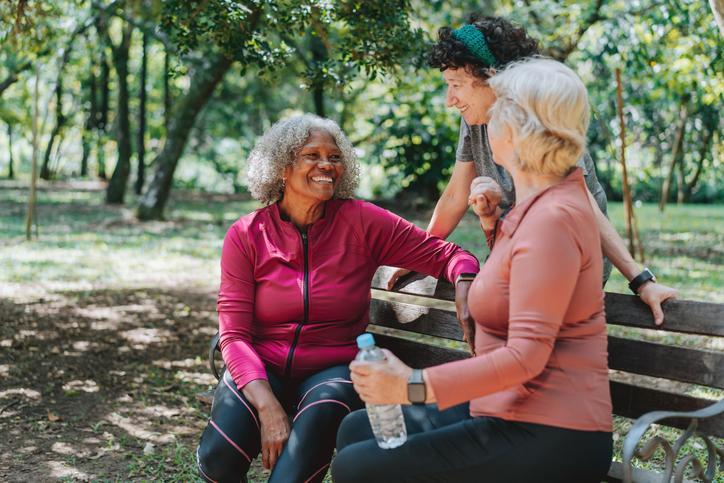
3 ways to create community and counter loneliness
Loneliness boosts risk for many health problems, and can even contribute to an early death. Many people find it hard to reach out to make new friends, but there are strategies that can help.

Why do I shrink in height as I age?
Around age 40, most people lose some height, and the decline accelerates with age. This "shrinkage" can be slowed by preventing osteoporosis and improving posture. Getting enough calcium and vitamin D can help increase bone density, and exercises for the back and abdominal muscles can help with posture.

Building better muscle
Men tend to lose as much as 3% to 5% of their muscle mass per decade after age 30, and the muscle-building hormone testosterone gradually declines after age 40. This makes it harder for men to build and maintain muscle as they age. One solution is a well-designed weight training program. Workouts should focus on all major muscles, but men should pay extra attention to leg muscles, which they rely on more for everyday movements as they age.
Fatty liver disease: Should you be tested?
Weight-loss drug may lower risk of heart attacks and infections
Testosterone therapy without evidence of deficiency may boost heart risk
Even a little exercise linked with lower stroke risk in people with afib
Antihistamines may not offer meaningful relief from eczema symptoms
What to eat on the DASH diet
Tricep workouts you can do at home
FDA approves first mRNA-based flu vaccine
Migraine: How it's diagnosed and what that means
Mindfulness practices to reduce stress and improve focus
Free Healthbeat Signup
Get the latest in health news delivered to your inbox!
Sign Up
