

Whole grains may improve several heart risk factors at once

Light exposure at night may raise risk for heart disease

Children of centenarians may stay healthier and live longer too, study finds

A lumbar belt may help ease low back pain

Signs of pneumonia: Sometimes vague and unexpected

Using a vibration plate: What it can — and can't — do for your body

The surprising link between ovarian cancer and the fallopian tubes

People who walk more or walk faster live longer, study finds

Rosacea treatments: What works?

For sleep apnea, a dental device may be as effective as CPAP
Skin Cancer Archive
Articles

Specialized diet gets high marks for preventing cancer
In the journals
Following a specific cancer prevention diet may help you lower your overall risk, according to a study in the August 2018 Cancer Research.
The diet from the World Cancer Research Fund/American Institute for Cancer Research (WCRF/AICR) emphasizes a plant-based diet rich in whole grains, vegetables, fruits, and legumes like beans and lentils, with limited amounts of red or processed meat (no more than 18 ounces per week) and a strong emphasis on eliminating all processed foods, sugar-sweetened drinks, and alcohol.

Warning: Avoid these novel treats in shopping malls and restaurants
News briefs
Image: © manustart/Getty Images
If your grandkids urge you to indulge them in a popular new snack at the mall, just say no. The FDA is warning that consuming products with liquid nitrogen added at the last minute can lead to injury. The products are marketed under names such as "Dragon's Breath" and "Nitro Puff." They're cheese puffs or cereal pieces that are frozen in liquid nitrogen and then dipped in a special sauce. When you put them in your mouth, the products release vapor that looks like smoke. Liquid nitrogen is also added to some cocktails to make them look like they're emitting fog. But the FDA says all of these products can cause severe damage to skin and internal organs and may cause breathing problems. The agency advises you to avoid the products.
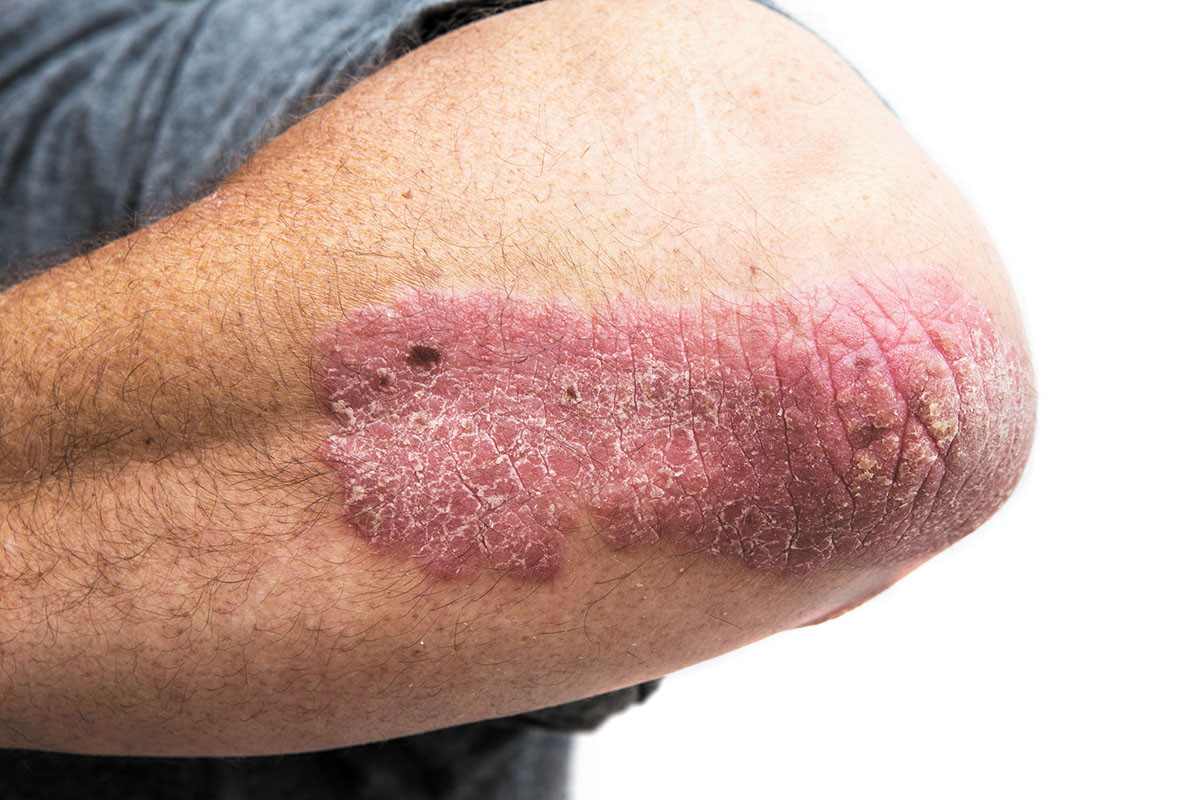
A deeper look at psoriasis
There are ways to shorten flare-ups and, in some people, prevent them from recurring.
Image: © JodiJacobson/Getty Images
Psoriasis is a big star on TV drug ads, but this autoimmune skin disease is something most people try to keep well hidden.
"Psoriasis is among the most common skin conditions, affecting about 2% of the U.S. population, and while the condition doesn't affect everyone the same way, the approach to treatment and prevention is often similar," says Dr. Gideon Smith, an assistant professor of dermatology at Harvard-affiliated Massachusetts General Hospital.

Can a gluten-free diet help my skin?
Ask the doctors
Image: © fcafotodigital/Getty Images
Q. I have terrible skin, and a friend recently recommended that I eliminate gluten from my diet to help manage my condition. Will this work?
A. Not necessarily. Gluten has gotten a lot of attention in recent years. Some people believe that eating gluten can inflame the skin and, therefore, cutting it out will help relieve red, inflamed skin or other skin conditions, such as psoriasis or eczema.

Don't fall for these skin myths
Think you know a lot about skin and skin care? You might be surprised at how much "common knowledge" about keeping your skin clear and healthy is simply not true.
Here, we debunk 10 common myths about skin.
1. The right skin cream can keep your skin looking young.


HPV test may be better than traditional cervical cancer screening method
Research we're watching
A test that screens for human papillomavirus (HPV) beat a commonly used cervical cancer screening method in detecting changes that may lead to cervical cancer, according to a study published July 3 in The Journal of the American Medical Association. Some 19,000 women were screened for cervical cancer using either the HPV test or a more traditional and commonly used liquid-based cytology test. After 48 months, all the women were tested again using both tests. Researchers found that among women who'd had a normal initial screening, those who'd been screened with the HPV test had significantly fewer grade 3 or worse precancerous cervical changes at the final testing compared with those screened with liquid-based cytology.
In response, the U.S Preventive Services Task Force now recommends either HPV testing only once every five years or liquid-based cytology once every three years for women ages 30 to 65.

Is prostate cancer linked with other cancers?
On call
Q. I was recently diagnosed with prostate cancer. Does the occurrence of one type of cancer indicate a greater risk of developing other kinds?
A. Prostate cancer is the most common cancer among men, and almost every man will get prostate cancer if he lives long enough. In general, prostate cancer that develops after age 60 probably does not increase the risk of getting a different kind of cancer. However, there are some exceptions.

Don’t wait until you turn 50 to screen for colon cancer
According to a new guideline, testing should start at age 45, but not everyone needs to have a colonoscopy. Other tests are also available.
Colon cancer screenings for people at average risk for the disease should start at age 45 instead of 50, says a new guideline from the American Cancer Society (ACS).
The change to the screening recommendation, which was published in the May 30 issue of CA: A Cancer Journal for Clinicians, was made because the number of colon cancer cases among adults under age 55 rose 51% from 1994 to 2014, and colon cancer deaths in this age group rose 11% from 2005 to 2015.

Eczema may signal higher risk of cardiovascular problems
Research we're watching
Image: © Tharakorn/Getty Images
About one in 10 people has eczema, a chronic inflammatory condition that leaves skin dry and itchy. People with more severe forms may experience a scaly rash or skin that cracks and oozes. These people may also be at greater risk for heart attack and stroke, according to a study in the May 23 issue of The BMJ.
For the study, researchers analyzed data from more than 385,000 adults with eczema, which was classified as mild, moderate, or severe. Each was matched with up to five people of similar age and sex who didn't have eczema.
Whole grains may improve several heart risk factors at once
Light exposure at night may raise risk for heart disease
Children of centenarians may stay healthier and live longer too, study finds
A lumbar belt may help ease low back pain
Signs of pneumonia: Sometimes vague and unexpected
Using a vibration plate: What it can — and can't — do for your body
The surprising link between ovarian cancer and the fallopian tubes
People who walk more or walk faster live longer, study finds
Rosacea treatments: What works?
For sleep apnea, a dental device may be as effective as CPAP
Free Healthbeat Signup
Get the latest in health news delivered to your inbox!
Sign Up
