

Whole grains may improve several heart risk factors at once

Light exposure at night may raise risk for heart disease

Children of centenarians may stay healthier and live longer too, study finds

A lumbar belt may help ease low back pain

Signs of pneumonia: Sometimes vague and unexpected

Using a vibration plate: What it can — and can't — do for your body

The surprising link between ovarian cancer and the fallopian tubes

People who walk more or walk faster live longer, study finds

Rosacea treatments: What works?

For sleep apnea, a dental device may be as effective as CPAP
Skin Cancer Archive
Articles


Eating highly processed foods may raise cancer risk
News briefs
Prepackaged, processed foods are typically high in fat, salt, and sugar. If that's not enough to make you put down a cookie or resist a frozen dinner, consider an observational study published online Feb. 14, 2018, by The BMJ. It analyzed dietary questionnaire answers of 105,000 middle-aged men and women in France for five years. Foods were grouped according to degree of processing — that is, the amount of change the ingredients go through as food makers improve flavor, coloring, and shelf life. For example, dehydrated soups, baked goods, sugary cereals, processed meats, biscuits, and sauces were considered ultra-processed foods. Less processed foods included canned vegetables, cheeses, and freshly made unpackaged bread. Every 10% increase in consumption of ultra-processed foods was associated with a 12% higher risk for cancer in general and an 11% increased risk for breast cancer. No significant link was found to prostate or colorectal cancer. The study doesn't prove that ultra-processed foods cause cancer, but researchers say the cumulative effects of food additives remain largely unknown.

Dealing with a cancer diagnosis
Sometimes the emotional part of cancer is the toughest test.
Any kind of cancer diagnosis is life-changing. There suddenly are many decisions to make about treatments, possible surgery, and recovery. It can be a lot to deal with. But one part of the cancer process that often gets pushed aside is the psychological aspect — how do you manage the many emotions that come with it?
"The natural response to hearing 'cancer' is to feel a surge of anxiety and negative thoughts like 'I'm going to die,'" says Dr. John Peteet, head of the psychosocial oncology fellowship at the Harvard-affiliated Dana-Farber Cancer Institute. "Yet many men are reluctant to admit this and keep their feelings inside, so it's tough to know when they need help with this part of a cancer diagnosis."

Ultra-processed snacks and meals may raise cancer risk
Research we're watching
Image: © xfotostudio/Getty Images
If your food is more likely to come out of a bag or a box than from a tree or the ground, you may be putting yourself at higher risk for cancer. A study published online Feb. 14, 2018, by The BMJ found that people who eat more ultra-processed foods have a higher overall risk of cancer than those who don't. In fact, when the proportion of ultra-processed foods in a person's diet increased by 10%, the risk of cancers increased by more than 10%.
The researchers came to their conclusions after reviewing data from more than 100,000 people, on average 42 years old, based on their usual consumption of 3,300 different foods. The foods were classified according to their level of processing. Ultra-processed foods included things like

Getting rid of the itch of eczema
Ask the doctors
Image: © jacoblund/Getty Images
Q. I was recently diagnosed with eczema. Is this condition treatable without the use of steroids? I'd like to avoid using them if I can.
A. Eczema, also known as atopic dermatitis, is a chronic inflammatory skin condition. Some people with eczema have mild dryness or itchiness, while others experience more severe symptoms, such a scaly rash or skin that cracks and oozes. Eczema is more common in childhood, affecting up to 20% of children, but it also affects adults. The good news is it's not contagious, and in some cases, it's possible to manage the condition without using steroids.

Skin potions that really work
Dermatologists tell us what ingredients to look for in a skin serum to treat a variety of skin conditions.
Image: © zaretskaya/Getty Images
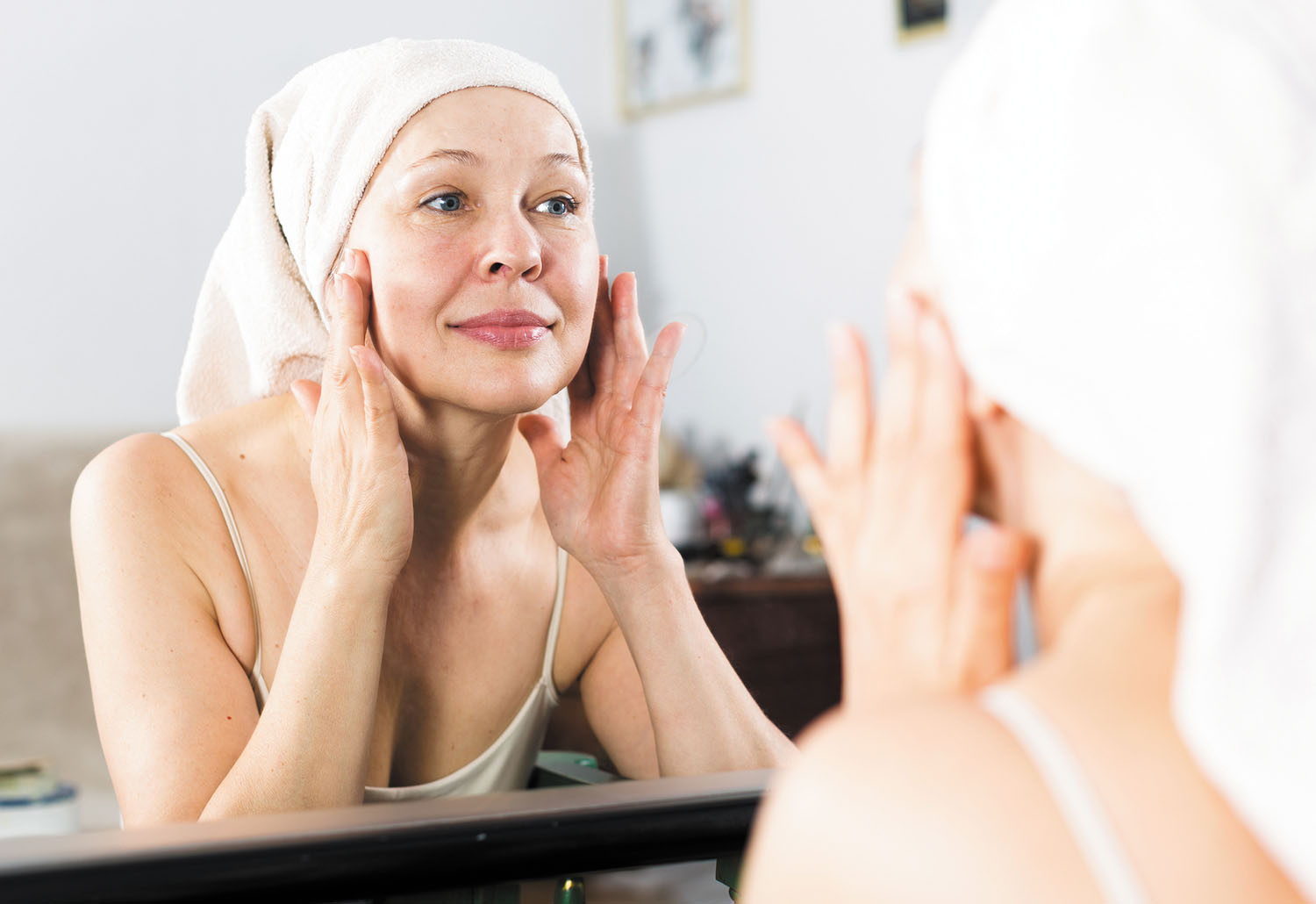
As you get older, you might start to look a little more intently at the rows of lotions and potions at the drugstore and the beauty counter. You may wonder which ones can really help your skin look more like it used to — minus the wrinkles, dark spots, and other signs of aging.
One word that's showing up on labels a lot these days is "serum" — typically on products that promise to brighten and smooth your skin and help roll back the clock. These little glass bottles contain a host of impressive-sounding ingredients such as hyaluronic acid, niacinamide, and L-ascorbic acid. But do they really work?
Finding the right serum for your skin
The right combination of components is essential to get the results you hope to see.
Image: © JackF/Getty Images
Serums can be used to treat a wide range of conditions, including brown spots, wrinkles, and dry or acne-prone skin. Below are the ingredients that Harvard dermatologists Dr. Abigail Waldman and Dr. Maryam M. Asgari recommend for various skin conditions.
Problem: Dry or sagging skin
If your skin is dry, tight, and flaky, look for serums that contain vitamin E, niacinamide, and glycolic acid. Also look for ceramides, which are fatty molecules that help hold the skin together and keep moisture from escaping. Other good options are serums that contain hyaluronic acid, or those with collagen peptides, epidermal growth factors, or stem cells.



Choosing a good moisturizer for your skin
A good moisturizer is one of the foundations of an effective skin care regimen for dry, older skin. Moisturizers can soothe dry skin and make wrinkles less noticeable, even though the effect is temporary. But with so many to choose from, how do you decide?
Petroleum jelly is one of the most effective moisturizers, especially when used right after bathing to seal in moisture. It is also one of the least expensive. But many people dislike using it on their faces because it looks and feels greasy. Instead, creams and lotions that contain some water are a better choice for a facial moisturizer. Many of these creams and lotions are humectants, an oil-free class of moisturizer that binds water to skin, so the smoothing, softening effects may last longer.
Whole grains may improve several heart risk factors at once
Light exposure at night may raise risk for heart disease
Children of centenarians may stay healthier and live longer too, study finds
A lumbar belt may help ease low back pain
Signs of pneumonia: Sometimes vague and unexpected
Using a vibration plate: What it can — and can't — do for your body
The surprising link between ovarian cancer and the fallopian tubes
People who walk more or walk faster live longer, study finds
Rosacea treatments: What works?
For sleep apnea, a dental device may be as effective as CPAP
Free Healthbeat Signup
Get the latest in health news delivered to your inbox!
Sign Up
