

Whole grains may improve several heart risk factors at once

Light exposure at night may raise risk for heart disease

Children of centenarians may stay healthier and live longer too, study finds

A lumbar belt may help ease low back pain

Signs of pneumonia: Sometimes vague and unexpected

Using a vibration plate: What it can — and can't — do for your body

The surprising link between ovarian cancer and the fallopian tubes

People who walk more or walk faster live longer, study finds

Rosacea treatments: What works?

For sleep apnea, a dental device may be as effective as CPAP
Skin Cancer Archive
Articles


Can you eat away at your cancer risk?
A healthy diet should go heavy on vegetables and skip alcohol, sugary drinks, and processed foods.
Image: © fcafotodigital/Getty Images
Most of the time when someone gets cancer, it's because of bad genes or bad luck. But as many as four in 10 cancers may be preventable. And diet likely plays an important role in reducing (or increasing) your risk.
It's no surprise that vegetables and fruits are thought to reduce cancer risk, according to Teresa Fung, adjunct professor in the Department of Nutrition at the Harvard T.H. Chan School of Public Health and faculty editor of Healthy Eating, a Special Health Report from Harvard Health Publishing (available at www.health.harvard.edu/special-health-reports). It probably also won't shock you to learn that bacon, fast food, and sugary drinks fall into the opposite category. But how can you know for sure which foods to eat and which to avoid?
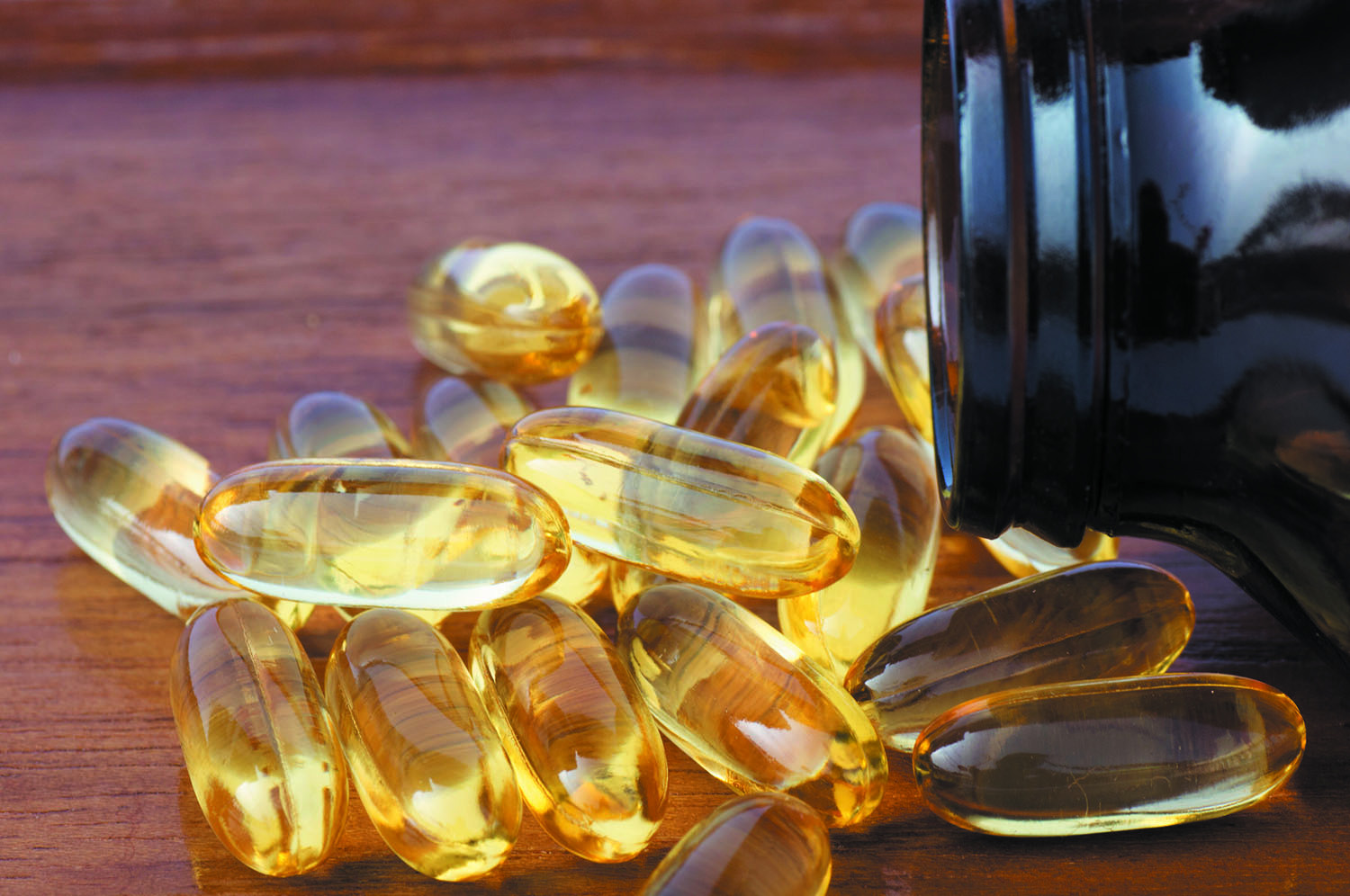
Vitamin D and omega-3 fatty acids supplements fall short when it comes to disease prevention
Image: © Hunterann/Thinkstock
Research we're watching
For years, many have speculated that taking vitamin D and omega-3 fatty acid supplements might help to prevent heart attacks, strokes, and certain cancers. But a study by Harvard researchers published online November 10, 2018, by The New England Journal of Medicine has found that the benefits may be more limited than originally hoped.
The results of the Vitamin D and Omega-3 Trial (VITAL), which enrolled more than 25,000 people and ran for more than five years, showed that while omega-3 supplements did appear to reduce the risk of heart attack, particularly among African Americans, they did not appear to be effective in preventing stroke or cancer. Vitamin D supplements also saw few benefits when it came to preventing heart attack, stroke, or cancer — but they were associated with a drop in cancer deaths in people who had taken the supplements for at least a year or two.

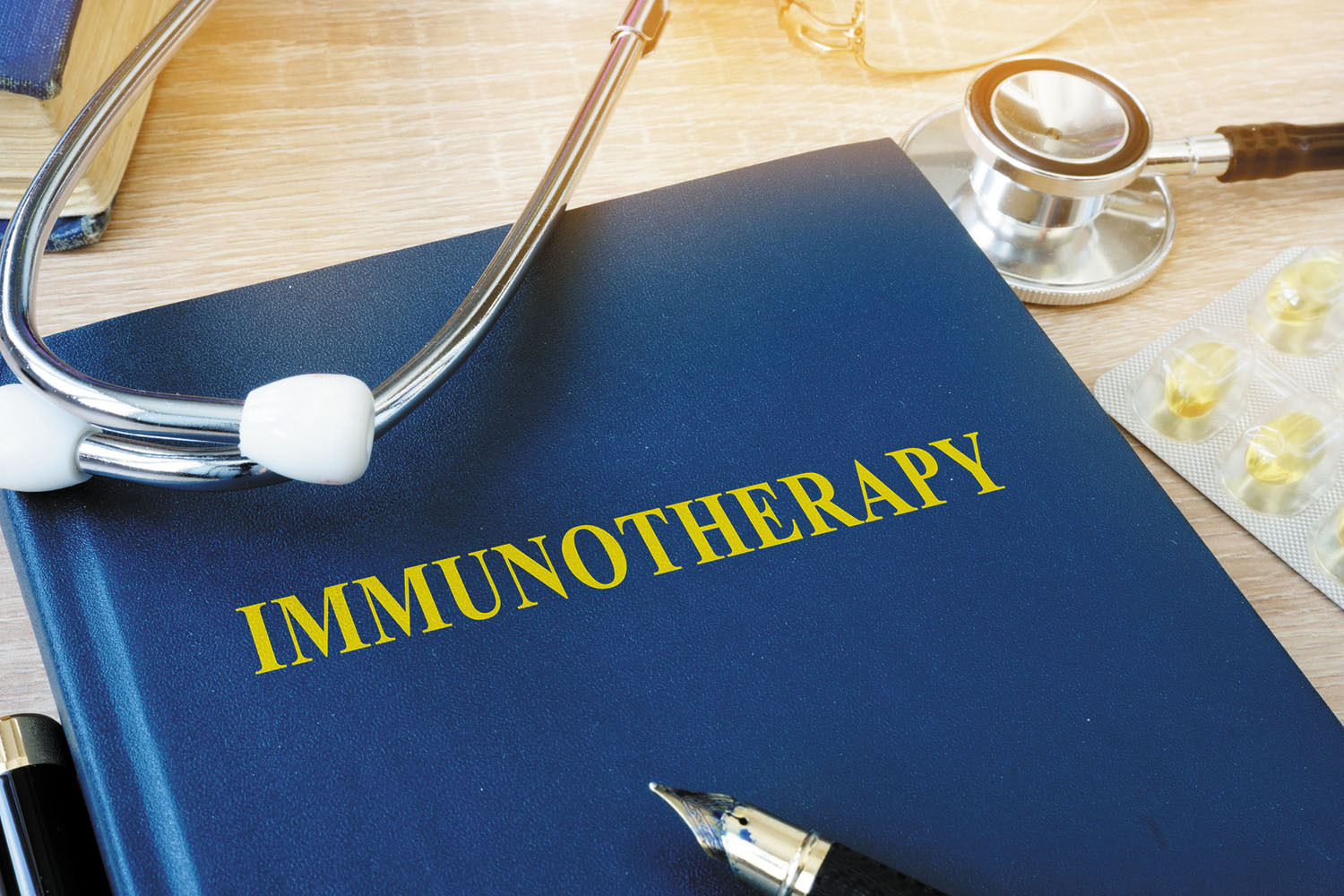
What is immunotherapy?
Ask the doctor
Image: © designer491/Getty Images
Q. A friend has melanoma, and his doctor wants to use a new kind of treatment that boosts the immune system. Can you tell me more?
A. The immune system exists to attack foreign things that enter the body, such as germs. Certain cells of the immune system recognize and attack foreign things. Cancerous cells make chemicals that are not made by normal cells, chemicals the immune system should recognize as foreign. Unfortunately, eight million people around the globe die of cancer each year after their immune systems fail to destroy the cancer. Why do their immune systems fail?

Low-dose aspirin and ovarian cancer risk
Research we're watching
Image: © Robert Kirk/Getty Images
Anti-inflammatory medications may play a role in ovarian cancer risk. A study by researchers at the Harvard T.H. Chan School of Public Health found that taking low-dose aspirin regularly appears to reduce the risk of ovarian cancer by 23%. However, long-term heavy use of ibuprofen (Advil), naproxen (Aleve), and other nonsteroidal anti-inflammatory drugs (NSAIDs) seems to increase risk.
The study, published online October 4 by JAMA Oncology, looked at data on more than 200,000 women who participated in the Nurses' Health Study and Nurses' Health Study II. Among the group studied, 1,054 women went on to develop ovarian cancer. Researchers then looked at what type of medications the women took on a regular basis. They found that women who took at least 10 doses of NSAIDs a week for multiple years had an increased risk of ovarian cancer. Women who took low-dose aspirin regularly seemed to have a reduced risk — but the same was not true among women who took a standard-dose aspirin.

How do I deal with dry, itchy winter skin?
On call
Q. My skin gets dry and itchy in winter, and there are so many moisturizers available. What should I look for?
A. Dry skin develops when your skin doesn't retain sufficient moisture. This is often a problem in winter when the air both indoors and outdoors has low humidity, as the water content of our skin tends to reflect the level of humidity around it. Fortunately, using a good moisturizer is a simple way to relieve winter dry skin.

My doctor says I have a skin condition called hidradenitis suppurativa. How is that normally treated?
Ask the doctors
Q. I was recently diagnosed with hidradenitis suppurativa. What could have caused this condition, and can it be cured? What are the usual treatments?
A. Hidradenitis suppurativa is an uncommon skin condition that starts out as pimple-like lesions on the skin. If left untreated, it can grow deeper into the tissue and over time can lead to painful fluid-filled lumps or thick scars. The condition is most common on parts of the body where skin presses up against skin, such as the groin, the underarms, the thighs, or the buttocks. Hidradenitis suppurativa most often affects younger people, particularly women, and most often happens after puberty. It's less common in people over age 55. Other risk factors include smoking and being overweight or obese, and it seems to run in families. Experts aren't really sure what causes hidradenitis suppurativa, but hormones and the immune system may play a role. Some experts believe that an ordinary blockage in the skin triggers an overzealous immune system reaction, which leads to symptoms. The good news is that you can't spread the condition to other people, and it is treatable. Catching the problem early can minimize problems. There are numerous treatment options for hidradenitis suppurativa, including antibiotics, hormonal medications and skin treatments, such as acne washes or special bleach baths. In more severe cases, your doctor might also recommend biologic therapy to dampen the immune response or surgery to remove or drain the affected skin. Even after treatment, the condition may require ongoing monitoring to treat or prevent recurrences.

Whole grains may improve several heart risk factors at once
Light exposure at night may raise risk for heart disease
Children of centenarians may stay healthier and live longer too, study finds
A lumbar belt may help ease low back pain
Signs of pneumonia: Sometimes vague and unexpected
Using a vibration plate: What it can — and can't — do for your body
The surprising link between ovarian cancer and the fallopian tubes
People who walk more or walk faster live longer, study finds
Rosacea treatments: What works?
For sleep apnea, a dental device may be as effective as CPAP
Free Healthbeat Signup
Get the latest in health news delivered to your inbox!
Sign Up
