

Whole grains may improve several heart risk factors at once

Light exposure at night may raise risk for heart disease

Children of centenarians may stay healthier and live longer too, study finds

A lumbar belt may help ease low back pain

Signs of pneumonia: Sometimes vague and unexpected

Using a vibration plate: What it can — and can't — do for your body

The surprising link between ovarian cancer and the fallopian tubes

People who walk more or walk faster live longer, study finds

Rosacea treatments: What works?

For sleep apnea, a dental device may be as effective as CPAP
Skin Cancer Archive
Articles

Questions & Answers: Does Accutane cause depression?
ARCHIVED CONTENT: As a service to our readers, Harvard Health Publishing provides access to our library of archived content. Please note the date each article was posted or last reviewed. No content on this site, regardless of date, should ever be used as a substitute for direct medical advice from your doctor or other qualified clinician.
Q. Does the acne drug, isotretinoin (Accutane), cause depression and suicide, or are psychiatric risks from the Accutane side effects exaggerated?

Zinc oxide shows no link to skin damage
In the journals
Zinc oxide (ZO) is one of the most effective ingredients in sunscreen, but previous studies have suggested it could potentially damage skin cells. Now, a small study in the February 2019 Journal of Investigative Dermatology has found that ZO nanoparticles don't penetrate the skin or damage skin on a cellular level even with repeated applications.
ZO is one of 17 active sunscreen ingredients approved by the FDA. ZO offers broad-spectrum protection and shields against both UVB rays, which cause sunburn, and UVA rays, which penetrate more deeply and are more likely to damage cell DNA and increase the risk of skin cancer.
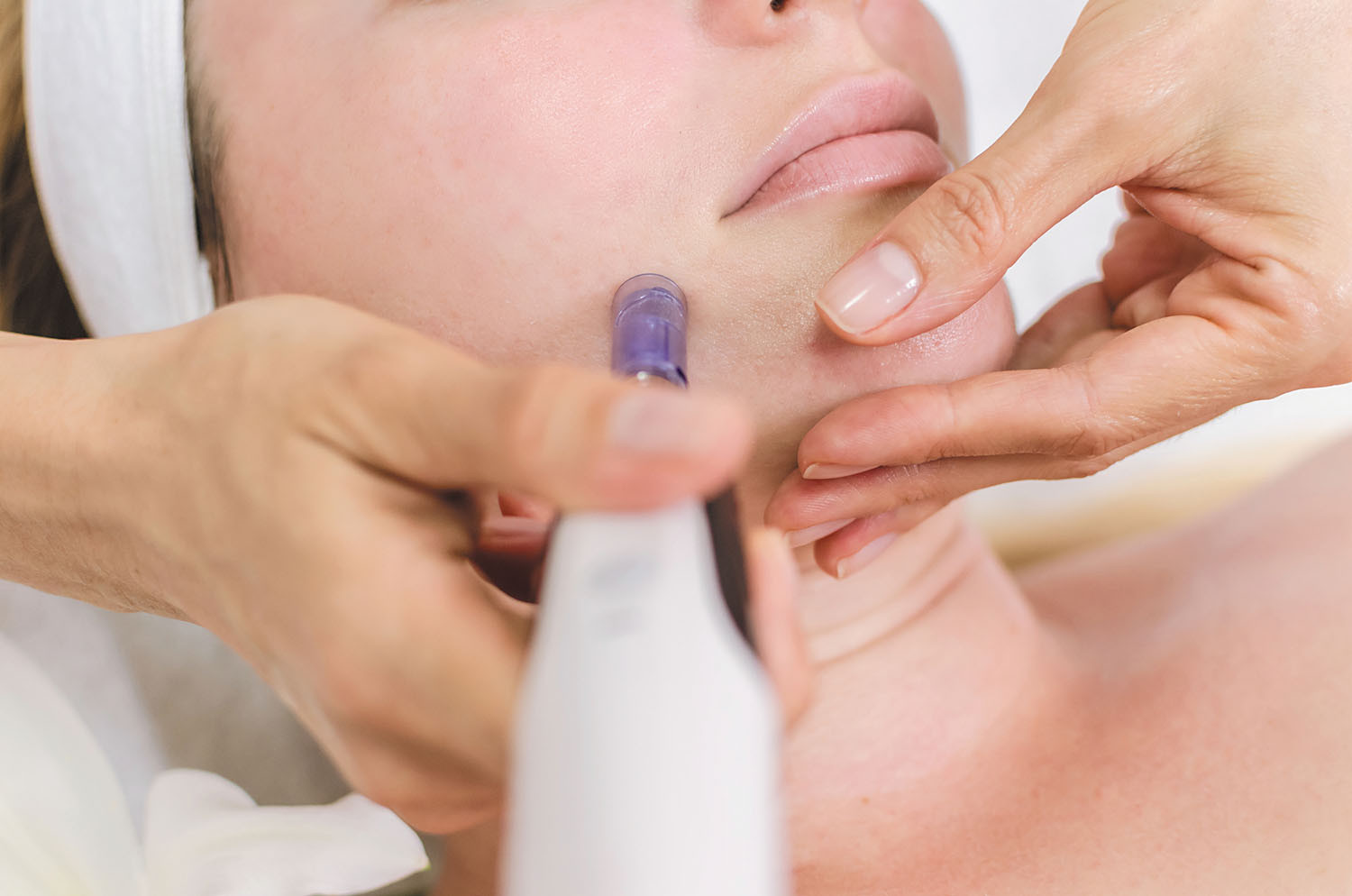
Needling your way to healthier skin
Microneedling was once viewed with skepticism, but it can be an effective procedure to improve the skin.
If the idea of poking yourself in the face with tiny needles in hopes of improving your skin sounds a little bizarre to you, you're not alone. For years, the medical establishment looked at the practice, known as microneedling, with a leery side-eye.
"I didn't take it seriously until relatively recently," says Dr. Kenneth Arndt, medical editor of the Harvard Special Health Report Skin Care and Repair and a founding editorial board member of the Harvard Health Letter.





Fish oil and vitamin D supplements might offer some health benefits
In the journals
Vitamin D and omega-3 fatty acid supplements have had mixed results when it comes to preventing heart attacks, strokes, and cancer in people who have already developed these problems or are at high risk for them. Yet a new study published online Nov. 10, 2018, by The New England Journal of Medicine found they may actually prevent these conditions among people who have never had these problems before.
Researchers recruited almost 26,000 people, ages 50 and older, who had no history of heart disease or cancer. The participants were divided into four groups. People in one group were given daily doses of 2,000 international units of vitamin D (an amount found to be linked to lower disease risk in observational studies) and 1 gram of a drug called Lovaza, which contained 840 milligrams of omega-3s (two to four times the amount in two servings of fish per week). The second group took vitamin D and a placebo, the third group took the omega-3s and a placebo, and the final group took two placebos. After more than five years, the researchers found that those given omega-3s were 28% less likely to suffer a heart attack compared with those given a placebo. Those who ate fewer servings of fish (less than the average of 1.5 servings per week) appeared to have a greater benefit from the additional omega-3s while those with higher fish intake had minimal benefit.

Coffee tied to decreased rosacea risk
News briefs
Image: © agrobacter/Getty Images
For some people, it's tough to prevent flare-ups of rosacea, the reddened and sometimes bumpy skin that shows up on the cheeks, nose, and other areas of the face. Caffeine, heat and sun exposure, and a long list of foods (everything from spicy foods to yogurt) have been thought to trigger rosacea or make it worse. But a study published online Oct. 17, 2018, by JAMA Dermatology not only pokes a hole in the idea that caffeine is to blame, it also suggests that one major caffeine source — coffee — might even reduce the risk of rosacea. Researchers analyzed health and diet survey responses gathered every four years from nearly 83,000 women (most of whom were white) from 1991 to 2005. It turns out that women who drank four or more cups of caffeinated coffee per day were 23% less likely to report a diagnosis of rosacea during the study period, compared with women who drank less than one cup per month. Increased caffeine intake from tea, soda, and chocolate had no impact on the likelihood of developing rosacea. The study was only observational and can't prove cause and effect. But coffee has also been linked to many other health benefits, including lower blood pressure, a slower rate of weight gain with age, and reduced risks for developing type 2 diabetes or dying from cardiovascular disease or neurological diseases.

Whole grains may improve several heart risk factors at once
Light exposure at night may raise risk for heart disease
Children of centenarians may stay healthier and live longer too, study finds
A lumbar belt may help ease low back pain
Signs of pneumonia: Sometimes vague and unexpected
Using a vibration plate: What it can — and can't — do for your body
The surprising link between ovarian cancer and the fallopian tubes
People who walk more or walk faster live longer, study finds
Rosacea treatments: What works?
For sleep apnea, a dental device may be as effective as CPAP
Free Healthbeat Signup
Get the latest in health news delivered to your inbox!
Sign Up
