

Whole grains may improve several heart risk factors at once

Light exposure at night may raise risk for heart disease

Children of centenarians may stay healthier and live longer too, study finds

A lumbar belt may help ease low back pain

Signs of pneumonia: Sometimes vague and unexpected

Using a vibration plate: What it can — and can't — do for your body

The surprising link between ovarian cancer and the fallopian tubes

People who walk more or walk faster live longer, study finds

Rosacea treatments: What works?

For sleep apnea, a dental device may be as effective as CPAP
Skin Cancer Archive
Articles

Newer skin cancer treatments improve prognosis for those with cutaneous melanoma
Though only about 1% of skin cancers are melanomas, they are responsible for 90% of skin cancer deaths. Recent advances in treatment options have improved survival rates for melanoma, but it’s still best to take preventive steps to protect your skin.

What’s the beef with red meat?
A recent study suggested that eating red or processed meats won't necessarily harm your health. What is the truth?
The news headlines were everywhere: "It's Okay to Eat Red Meat." The source for this statement was a study published online Oct. 1, 2019, in Annals of Internal Medicine.
An international team of researchers conducted five systematic reviews that looked at the effects of red meat and processed meat on multiple health issues, such as heart disease, cancer, diabetes, and premature death.

Can you outrun an early death?
Research we're watching
People who run — even in small amounts — are less likely to die during a given period compared with those who don't run, according to an analysis published online Nov. 4, 2019, by the British Journal of Sports Medicine. The benefit appears even among people who run for less than 50 minutes once a week, at speeds below 6 mph.
Researchers began their review of 14 studies, involving more than 200,000 people, in hopes of determining whether running can stave off deaths from heart disease, cancer, and other causes. They also sought to find out how much running people need to do to benefit. The studies tracked participants for periods ranging from five-and-a-half to 35 years. Over the course of these studies, 25,951 of the participants died. When comparing those people to those who lived until the end of the study, the researchers found that people who ran, no matter the amount, were 27% less likely than nonrunners to die from any cause during the study period. Runners also had a 30% lower death rate from cardiovascular disease and a 23% lower death rate from cancer. While running was linked with longer life and less disease in these studies, this doesn't necessarily prove that it was the running that actually caused better health. But the results suggest that lacing up those sneakers and going for a quick jog might improve your health.

Rural health risks?
Research we're watching
People living in rural areas of the country appear to be more likely to die from preventable causes compared with people in more urban locations, says a CDC report. The report looked at deaths from 2010 to 2017 and found that people in rural locations were more likely to die from preventable conditions, including cancers and heart and respiratory diseases. In 2010, about 29% of cancer deaths in rural areas were potentially preventable, compared with 18% of cancer deaths in urban areas. In addition, 45% of heart disease deaths in rural locations were deemed preventable, compared with 24% of heart disease deaths in urban areas. The authors suggested several strategies to reduce disparities, including better screening programs and initiatives to encourage better eating and exercise habits, as well as smoking cessation.
Image: shaunl/Getty Images
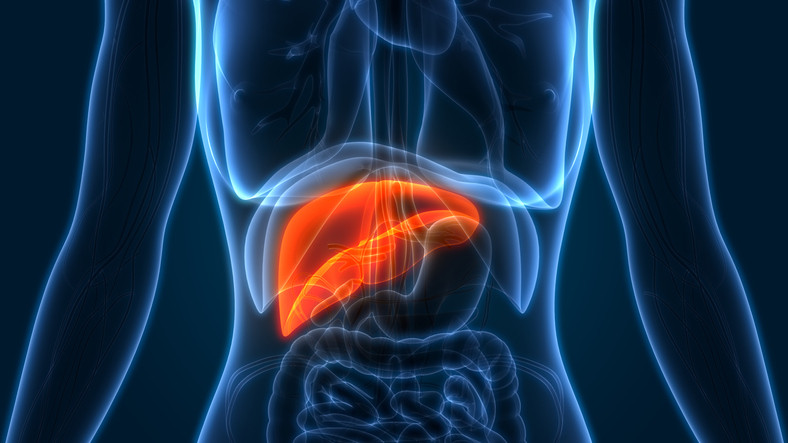
Beyond heart health: Could your statin help prevent liver cancer?
Statins have been prescribed for decades to lower cholesterol, but a recent study found that one type of statin may provide people with certain kinds of liver disease protection from developing liver cancer.


Hair thinning? Get to the root of the problem

How to make your prostate biopsy go better-before, during, and after
Before a prostate biopsy, discuss all the Image: Wavebreakmedia Ltd/Getty Images |
Here is what men need to know to minimize discomfort of a prostate biopsy and get the best results.
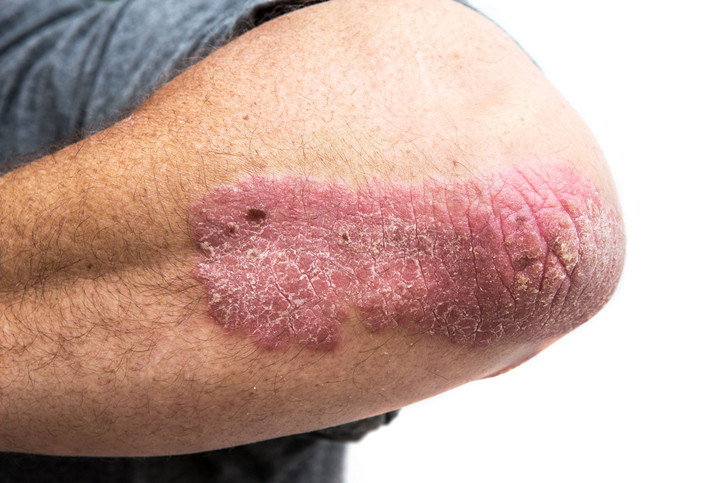
Psoriasis and cancer: What’s the link?
An analysis of studies found an association between people with psoriasis and an increased risk of developing several types of cancer. While this does not establish a definitive link, psoriasis is a relatively common condition and those who have it should be aware of its implications.
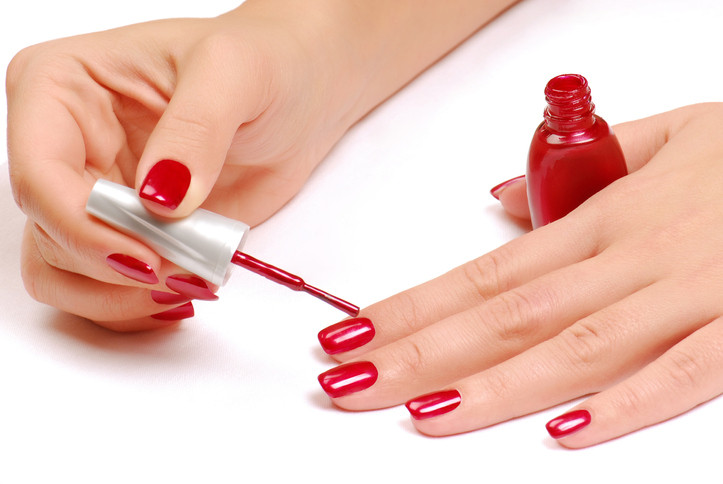
A look at the effects of nail polish on nail health and safety
Different types of nail polish can have varying effects on fingernails, and have pros and cons depending on the chemicals used in making them.
Whole grains may improve several heart risk factors at once
Light exposure at night may raise risk for heart disease
Children of centenarians may stay healthier and live longer too, study finds
A lumbar belt may help ease low back pain
Signs of pneumonia: Sometimes vague and unexpected
Using a vibration plate: What it can — and can't — do for your body
The surprising link between ovarian cancer and the fallopian tubes
People who walk more or walk faster live longer, study finds
Rosacea treatments: What works?
For sleep apnea, a dental device may be as effective as CPAP
Free Healthbeat Signup
Get the latest in health news delivered to your inbox!
Sign Up
