

Whole grains may improve several heart risk factors at once

Light exposure at night may raise risk for heart disease

Children of centenarians may stay healthier and live longer too, study finds

A lumbar belt may help ease low back pain

Signs of pneumonia: Sometimes vague and unexpected

Using a vibration plate: What it can — and can't — do for your body

The surprising link between ovarian cancer and the fallopian tubes

People who walk more or walk faster live longer, study finds

Rosacea treatments: What works?

For sleep apnea, a dental device may be as effective as CPAP
Skin Cancer Archive
Articles


The body’s overlooked defense system
Make the most of your skin barrier to ward off certain types of disease. Hint: It pays to moisturize.
Picture it: You're the body's military commander, and you're reviewing your protective forces. Immune system? Check. Stomach acid? Check. Beneficial gut bacteria? Check.
Don't forget to include your skin: it's one of the most important bastions in the fight against disease, keeping harmful organisms and substances from getting inside the body.

New risk model could better identify people at high risk for pancreatic cancer
Research we're watching
A new tool to identify people who might be at higher risk for pancreatic cancer could help doctors find cases earlier, when they are most treatable. Researchers from the Harvard T.H. Chan School of Public Health created a risk model that did a better job than current models of finding people at high risk for the disease. It takes into account clinical and genetic factors as well as blood levels of biomarkers (substances that could potentially indicate disease). To test the model researchers used data from four large clinical studies. They applied the tool to 500 known pancreatic cancer patients and more than 1,000 people without cancer. The researchers then assessed how well the tool would have predicted the risk of pancreatic cancer. Pancreatic cancer, which is the third leading cause of cancer death in the United States, is challenging to treat because most people already have advanced disease when they are diagnosed. It's hoped that identifying people who are at high risk will eventually allow doctors to screen these individuals to find cancers when they are smaller and more curable.
Image: Raycat/Getty Images

Aspirin linked to fewer digestive tract cancers
In the journals
Scientists continue to explore the health benefits versus risks of aspirin therapy. One new analysis suggests that taking aspirin may protect against several types of digestive tract cancers. The results were published online April 1, 2020, by Annals of Oncology.
Researchers examined 113 observational studies of cancer in the general population. They found that individuals who took aspirin regularly — at least one or two tablets a week — had significantly lower rates of cancers of the bowel, stomach, gallbladder, esophagus, pancreas, and liver, compared with people who did not take aspirin.

People know sun protection is important, but often skip it
Research we're watching
While more than three-quarters of Americans say that sun protection is important, less than half actually use it on a regular basis when they're heading outside, according to a survey by the American Academy of Dermatology. Some 28% of those polled said they rarely or never use sun protection, which includes using sunscreen, staying in the shade outside whenever possible, and wearing clothing such as hats or other items that can protect against the sun's rays. Sun exposure is the leading cause of skin cancers, affecting one in every five Americans, so the AAD says it's important that people take steps to protect themselves. The AAD recommends that you
- wear sunscreen with 30 SPF or higher
- stay out of the sun between 10 a.m. and 2 p.m., when its rays are the most intense
- use clothing to protect your skin, such as a hat and long-sleeved shirt.
Image: © Aleksej Sarifulin/Getty Images
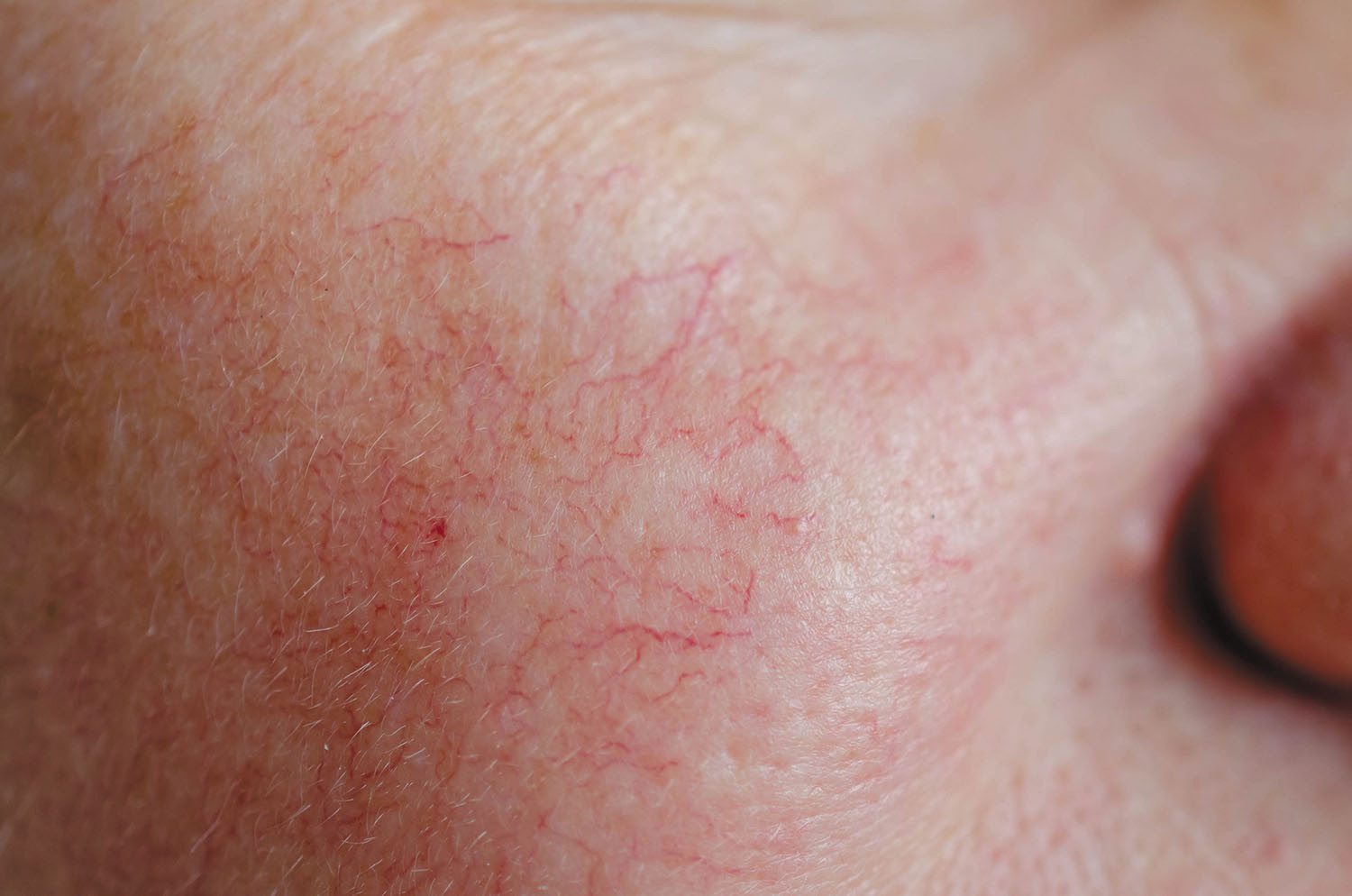
Rosacea can flare at menopause
Tips to help you treat this common skin condition.
You thought you left acne behind you in your teen years, but here you are at midlife with a breakout. But it might not be what you think. Rosacea is often mistaken for acne, and the condition, which most often begins after age 30, sometimes flares at menopause, says Dr. Suzanne Olbricht, an associate professor of dermatology at Harvard Medical School.
A common skin condition affecting some 16 million Americans, rosacea most often develops in people with fair skin who blush easily. Rosacea is sometimes mistaken for sunburn, a naturally ruddy complexion, or even an allergic reaction. It produces a number of skin problems, including

Eczema is associated with a higher risk of bone breaks
Research we're watching
If you suffer from the common skin condition eczema, you may have a higher risk of breaking a bone compared with someone who doesn't have the condition, according to a study published in the February 2020 issue of The Journal of Allergy and Clinical Immunology. The study authors found that the 500,000 people in the study who had eczema, which causes itchy dry patches on the skin, were 7% to 18% more likely to break a bone in the wrist, hip, pelvis, or spine when compared with more than 2.5 million participants who didn't have the condition. Researchers said it's not clear if this elevated fracture risk was related to the eczema itself or whether other factors caused the association. For example, the increase in risk could have been related to medications people took to treat eczema. Even so, if you have eczema, the study authors say it may be worth asking your doctor whether you might be at increased risk for osteoporosis.
Image: © vadimguzhva/Getty Images

Can appealing to teenagers’ vanity improve sun-protective behaviors?
Most people understand the risks of sun exposure, even if they do not regularly wear sunscreen, but getting younger people to pay attention to this concern can be difficult. A study chose a novel approach to this problem by appealing to teenagers’ vanity and focus on their appearance.

Tinted sunscreens: Benefits beyond an attractive glow
Tinted sunscreens offer all the benefits of traditional sun protection products, plus they have added pigments that give them the ability to block visible light, which can also be harmful to the skin.

Whole grains may improve several heart risk factors at once
Light exposure at night may raise risk for heart disease
Children of centenarians may stay healthier and live longer too, study finds
A lumbar belt may help ease low back pain
Signs of pneumonia: Sometimes vague and unexpected
Using a vibration plate: What it can — and can't — do for your body
The surprising link between ovarian cancer and the fallopian tubes
People who walk more or walk faster live longer, study finds
Rosacea treatments: What works?
For sleep apnea, a dental device may be as effective as CPAP
Free Healthbeat Signup
Get the latest in health news delivered to your inbox!
Sign Up
