

Whole grains may improve several heart risk factors at once

Light exposure at night may raise risk for heart disease

Children of centenarians may stay healthier and live longer too, study finds

A lumbar belt may help ease low back pain

Signs of pneumonia: Sometimes vague and unexpected

Using a vibration plate: What it can — and can't — do for your body

The surprising link between ovarian cancer and the fallopian tubes

People who walk more or walk faster live longer, study finds

Rosacea treatments: What works?

For sleep apnea, a dental device may be as effective as CPAP
Skin Cancer Archive
Articles
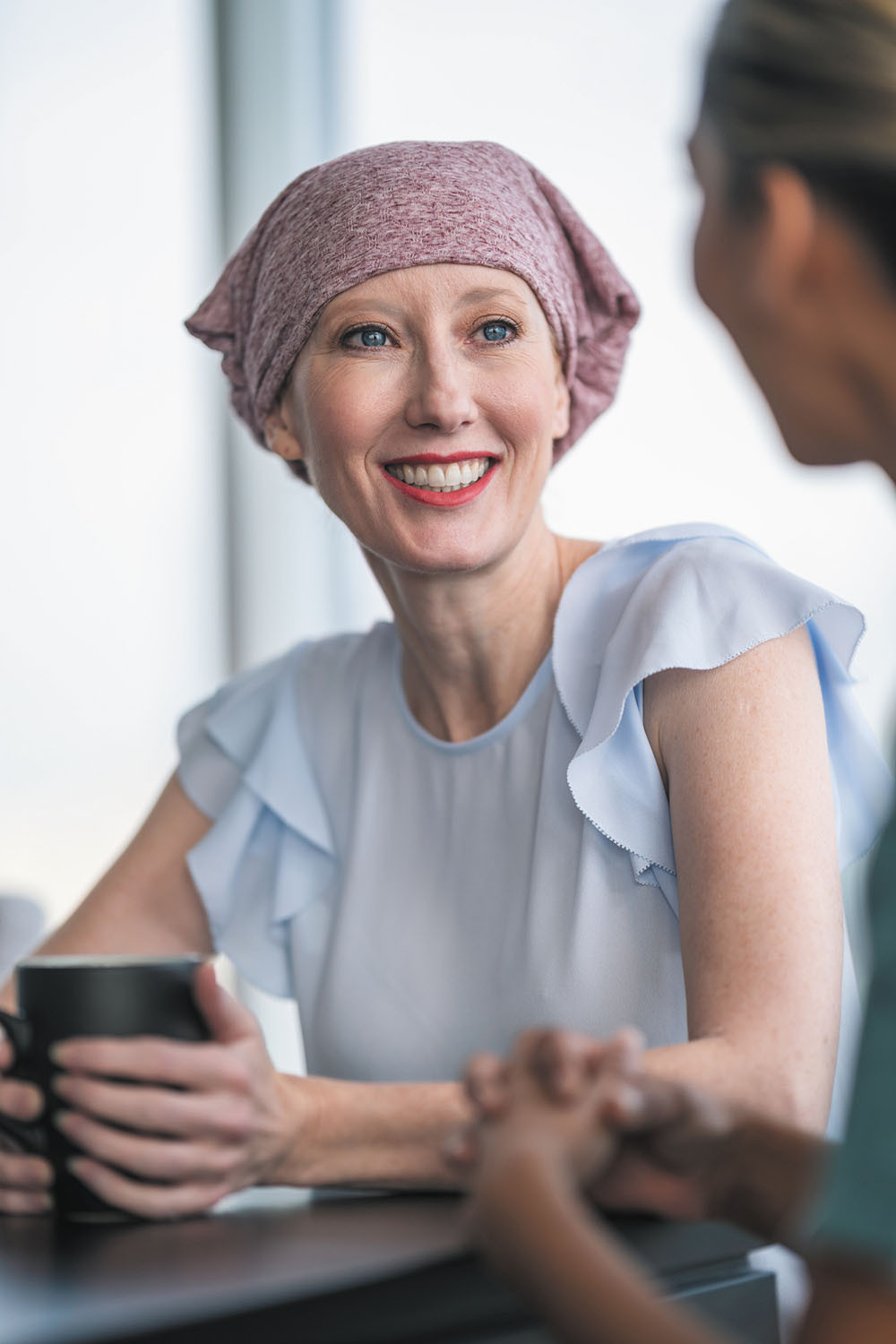
Cancer death rates continue to decline
Research we're watching
According to a report published March 12 in the journal Cancer, the rate of death from cancer has continued to decline in the United States, dropping on average 1.5% a year from 2001 to 2017. The decline showed up for all ethnic and age groups between 2013 and 2017. The findings were based on cancer incidence data collected by the CDC and the National Cancer Institute.
But not all news was good: the number of new cancer diagnoses in women rose slightly during 2012 to 2016. A more detailed look at cancer deaths among women found a drop in cancer deaths for a majority of the most common cancers, including breast cancer, melanoma, lung cancer, and colorectal cancer. But deaths in women increased when it came to uterine, brain, liver, heart, and pancreatic cancer.

On the spot
What does that skin spot or growth mean, and when should you have it checked?
Even if you're diligent about sun protection (and you should be), you can still develop skin spots, growths, or other abnormalities.
But are they always cause for concern, or just a normal part of aging skin?


And now for some good news on health
Good news on health –– which seems hard to come by right now –– includes declines in the rates of six out of 10 major causes of death in the United States.

Eczema tied to higher bone fracture risk
News briefs
Eczema is a common and chronic inflammatory condition that leaves skin dry and itchy. A large study published in the February 2020 issue of The Journal of Allergy and Clinical Immunology found that people with eczema had an increased bone fracture risk, especially if the eczema was severe. Researchers compared 500,000 adults with eczema to more than 2.5 million people who didn't have eczema. Over a period of five years, people with eczema appeared to have slightly higher rates (7% to 18%) of wrist, hip, pelvis, and spine fractures, compared with people who didn't have eczema. People with severe eczema had much higher rates of hip fractures (50% higher), pelvis fractures (66% higher), and spine fractures (109% higher, or more than double the risk) than people without eczema. The study is observational and doesn't prove that eczema causes bone fractures; it could be that certain medications and lifestyle habits contributed to broken bones in the study. "But based on the findings, people with eczema should be aware their skin condition may increase the risk for osteoporosis and bone fractures, and should talk to their health care provider to decide if preventive measures and screening tests for osteoporosis are warranted. Healthy lifestyle choices, such as getting enough calcium and vitamin D and getting regular aerobic and weight-bearing exercise, are important for everyone and may be particularly important for people with eczema," says Dr. Robert Shmerling, a rheumatologist at Harvard-affiliated Beth Israel Deaconess Medical Center.
Image: © PeopleImages/Getty Images

Why am I getting acne after menopause?
Ask the doctors
Q. My skin has been breaking out since I entered menopause. Why is this happening, and what can I do about it?
A. Many women notice changes to their skin at menopause. For some women this means dryness, age spots, or a tendency toward bruising. For others, estrogen levels drop while male hormone levels, such as testosterone, remain the same, which can prompt acne breakouts.
More sexual partners, more cancer?
A study of older adults found that those who had had more sexual partners were more likely to have developed cancer, but that does not mean there is a causal connection, and there are many ways that sexual behavior can affect cancer risk.

Chemotherapy and hearing loss: Monitoring is essential
One of the possible side effects of chemotherapy that is not as well-known is hearing loss. If you are going to undergo chemotherapy, you should have your hearing tested before and after the course of treatment.
Are varicose veins a health risk?
Ask the doctors
Q. I have a lot of varicose veins. Do they present any sort of a health risk?
A. Varicose veins are typically viewed as a mild, non-life-threatening condition that is more of a cosmetic annoyance than a serious health problem. That said, varicose veins can be associated with some health-related issues, such as swelling in the legs, blood clots, or damage to the skin caused by pressure from the veins. They may also make you more prone to skin damage, infections, and ulcers.

Heart disease and cancer risk may be linked
In the journals
People with heart disease also have a higher risk of developing cancer, according to research presented at the American Heart Association's Scientific Sessions in November 2019.
Researchers evaluated data from 12,712 people from the Framingham Heart Study who did not have heart disease or cancer at the study's launch. They used a risk estimator that predicts a person's chance for getting heart disease within 10 years.
Whole grains may improve several heart risk factors at once
Light exposure at night may raise risk for heart disease
Children of centenarians may stay healthier and live longer too, study finds
A lumbar belt may help ease low back pain
Signs of pneumonia: Sometimes vague and unexpected
Using a vibration plate: What it can — and can't — do for your body
The surprising link between ovarian cancer and the fallopian tubes
People who walk more or walk faster live longer, study finds
Rosacea treatments: What works?
For sleep apnea, a dental device may be as effective as CPAP
Free Healthbeat Signup
Get the latest in health news delivered to your inbox!
Sign Up
