

Whole grains may improve several heart risk factors at once

Light exposure at night may raise risk for heart disease

Children of centenarians may stay healthier and live longer too, study finds

A lumbar belt may help ease low back pain

Signs of pneumonia: Sometimes vague and unexpected

Using a vibration plate: What it can — and can't — do for your body

The surprising link between ovarian cancer and the fallopian tubes

People who walk more or walk faster live longer, study finds

Rosacea treatments: What works?

For sleep apnea, a dental device may be as effective as CPAP
Skin Cancer Archive
Articles

Common summer skin rashes
What to do about prickly heat, poison ivy, and other uncomfortable skin reactions.
Image: © LCOSMO/Getty Images
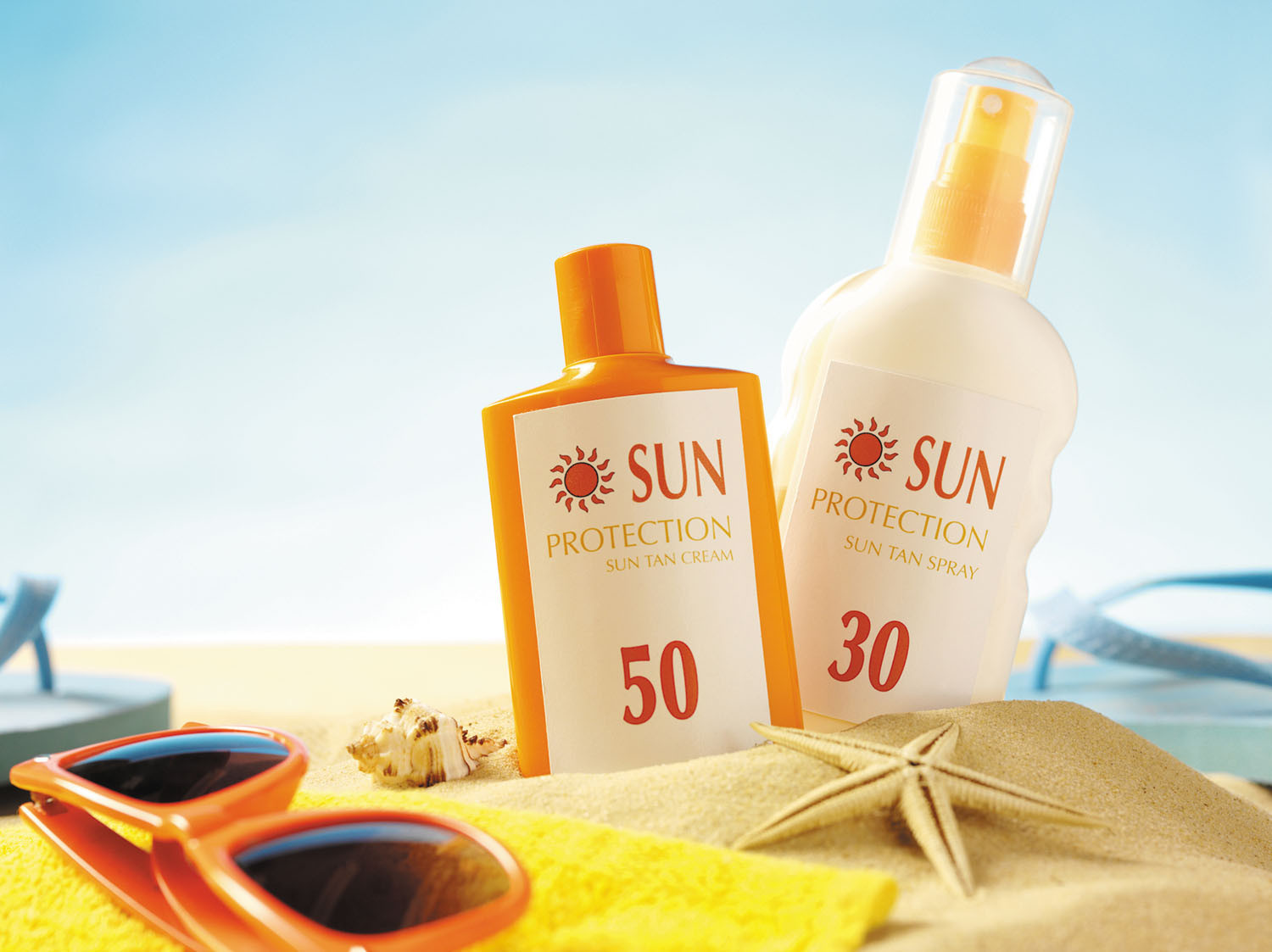
Sunburn is a big risk in the summer. You know the rules: seek the shade, wear protective clothing, and use a broad-spectrum sunscreen (with an SPF of at least 30). But sunburn isn't the only summer skin problem.
Plant-related rashes
Many people are allergic to urushiol, an oil found in poison ivy and poison oak. Exposure occurs when you touch the plant directly, maybe while gardening, or indirectly, by touching an object that's picked up the oil (like a shoe). You can spread the oil wherever you touch your body until the oil is washed off. Two to 10 days later, the affected skin develops a red, itchy, blistering, oozing rash. It's not contagious, though you may feel like it's spreading. "The allergic reaction continues to unfold even after you've washed off the oil," says Dr. Jason Frangos, a dermatologist at Harvard-affiliated Brigham and Women's Hospital.

Can some postmenopausal women with breast cancer skip chemotherapy?
Advances in breast cancer research have led to more personalized treatments, based on subtyping and more sophisticated testing. A risk assessment test can predict that some women do not need chemotherapy but will benefit from hormone therapy, and who might benefit more from both treatments.

Is there a way to treat seborrheic keratosis?
On call
Q. Years ago, my doctor told me a skin growth on my back was a seborrheic keratosis. Now I have more, and they seem to be multiplying over time. Is there any way to prevent them?
A. Seborrheic keratoses are raised, rough lesions that appear as a waxy brown, black, or tan growth. This common skin condition often shows up after age 50 on the trunk, back, face, or neck. The good news is that even though keratoses can increase in number over time, they aren't cancerous or contagious.

Can diet help fight prostate cancer?
Can adopting a healthier diet help fight prostate cancer? That's a question men newly diagnosed with prostate cancer often ask their doctors.
Several studies have shown that in countries where men eat a typical "Western" diet containing a large amount of meat, the incidence of prostate cancer, especially aggressive prostate cancer, is higher than in countries where plant-based foods are a primary part of the diet. Unfortunately, these studies weren't designed to prove cause and effect. So for now, definitive answers about prostate cancer and diet aren't yet in — although researchers are actively studying this topic.

Racial disparities and early-onset colorectal cancer: A call to action
In the last decade, overall rates of colorectal cancer have been falling among the general population in the US. However, African Americans are more likely to develop colorectal cancer at younger ages, and to die from it. The reasons for this disparity are unclear, but they are rooted in socioeconomic and racial inequities.

Proposed guidelines likely to identify more early lung cancers

Is poison ivy contagious?
Ask the doctors
Q. I'm very allergic to poison ivy. My spouse currently has a bad poison ivy rash that he got while trimming some bushes in our yard. I'm afraid I'm going to get a rash from him. Is it contagious?
A. Good news: poison ivy rashes are not contagious. You will get a rash from poison ivy only if you come into contact with urushiol oil, which is the plant oil in poison ivy that triggers the rash. In addition, a poison ivy rash, even one with open blisters, won't spread to other areas of the body. The rash only occurs on parts of the body that were actually exposed to the plant oil. Poison ivy rashes can appear to spread if urushiol oil is trapped under your fingernails and you scratch an itch. While you can't get a rash from coming from your spouse, you can get it from clothing or other items that have the plant oil on them. For example, the clothes your spouse was wearing that came into contact with the poison ivy plant. Poison ivy oil can cling to garden tools or even pet fur. The oil from poison ivy is known to linger. According to the FDA, it can stick around on surfaces, sometimes for years, until it is washed away using water or rubbing alcohol. So be certain that all surfaces that are potentially contaminated are cleaned thoroughly to reduce your risk.

Don’t delay cancer treatment during the pandemic
News briefs
The pandemic may have you feeling reluctant to seek medical treatment. But when it comes to cancer care, even a short delay in treatment may lead to deadly outcomes, according to a review of 34 studies published online Nov. 4, 2020, by BMJ. Researchers evaluated treatment delay and survival in more than a million people who had cancer of the bladder, breast, colon, rectum, lung, cervix, or head and neck. Each four-week delay in treatment — whether surgery, radiation therapy, or medication (such as chemotherapy or immunotherapy) — was associated with an increase of 6% to 8% in the likelihood of dying during the study period. Scientists say delays of up to eight weeks and 12 weeks further increased the risk of death. For example, in women who delayed breast cancer surgery by eight weeks, there was a 17% increased death risk; women who delayed surgery by 12 weeks had a 26% increase. Keep in mind, there are lots of unavoidable reasons why cancer treatment might be delayed, such as not being strong enough to undergo procedures or scheduling issues at a treatment center. But if there isn't a good reason to delay, it's best to get treatment as soon as possible.
Image: FG Trade/Getty Images

Do hair dyes increase cancer risk?
Many studies have explored the relationship between hair dye use and risk of cancer or cancer-related death, with conflicting findings. In a recent study, researchers analyzed survey data from over 117,000 women collected over several decades regarding hair dye use and overall cancer risk.
Whole grains may improve several heart risk factors at once
Light exposure at night may raise risk for heart disease
Children of centenarians may stay healthier and live longer too, study finds
A lumbar belt may help ease low back pain
Signs of pneumonia: Sometimes vague and unexpected
Using a vibration plate: What it can — and can't — do for your body
The surprising link between ovarian cancer and the fallopian tubes
People who walk more or walk faster live longer, study finds
Rosacea treatments: What works?
For sleep apnea, a dental device may be as effective as CPAP
Free Healthbeat Signup
Get the latest in health news delivered to your inbox!
Sign Up
