

People who walk more or walk faster live longer, study finds

Rosacea treatments: What works?

For sleep apnea, a dental device may be as effective as CPAP

Carb cycling: What is it, and does it work?

Understanding orthorexia: Have your healthy eating goals gone too far?

Melatonin or magnesium: Can either supplement help you sleep?

Salmonella, E. coli, Cyclospora, and other germs that cause food poisoning: What you need to know

Naturally gluten-free foods

Harvard study: Healthier fats linked to longer life after prostate cancer diagnosis
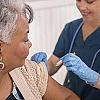
Shingrix shingles vaccine linked with lower heart disease risks

Guru P. Sonpavde, MD
Contributor
Guru P. Sonpavde, MD is the director of the bladder cancer program at Dana-Farber Cancer Institute and is on the faculty of Harvard Medical School. He completed his medical oncology fellowship at Indiana University. His primary focus is on clinical trials to develop new drugs and combinations to treat urologic cancers, particularly bladder cancer. He also has led translational projects and developed prognostic classifications and endpoints focused on bladder cancer. He is a member of the Genitourinary Committee of Southwest Oncology Group and the Bladder Cancer Task Force of the National Cancer Institute Genitourinary Steering Committee.
Posts by Guru P. Sonpavde, MD

Guru P. Sonpavde, MD
Cancer treatment: Is a clinical trial right for you?

Healthy aging and longevity
Immunotherapy: What you need to know
People who walk more or walk faster live longer, study finds
Rosacea treatments: What works?
For sleep apnea, a dental device may be as effective as CPAP
Carb cycling: What is it, and does it work?
Understanding orthorexia: Have your healthy eating goals gone too far?
Melatonin or magnesium: Can either supplement help you sleep?
Salmonella, E. coli, Cyclospora, and other germs that cause food poisoning: What you need to know
Naturally gluten-free foods
Harvard study: Healthier fats linked to longer life after prostate cancer diagnosis
Shingrix shingles vaccine linked with lower heart disease risks

