

Whole grains may improve several heart risk factors at once

Light exposure at night may raise risk for heart disease

Children of centenarians may stay healthier and live longer too, study finds

A lumbar belt may help ease low back pain

Signs of pneumonia: Sometimes vague and unexpected

Using a vibration plate: What it can — and can't — do for your body

The surprising link between ovarian cancer and the fallopian tubes

People who walk more or walk faster live longer, study finds

Rosacea treatments: What works?

For sleep apnea, a dental device may be as effective as CPAP
Skin Cancer Archive
Articles

Do nail changes signify a health problem?
On call
Q. I am 65 and have noticed a decline in the quality of my fingernails. Should I worry about some underlying medical condition?
A. For the most part, changes in fingernail shape and appearance are simple signs of normal aging and are nothing to worry about. Fingernails naturally grow slower as we age, and their appearance may change, too. Nails can become yellowed, dull, and brittle. They may develop tiny longitudinal ridges and become thinner and more fragile. You can't do anything about these kinds of fingernail changes, but you can reduce the risk of splitting and breaking that often accompanies them. For example:

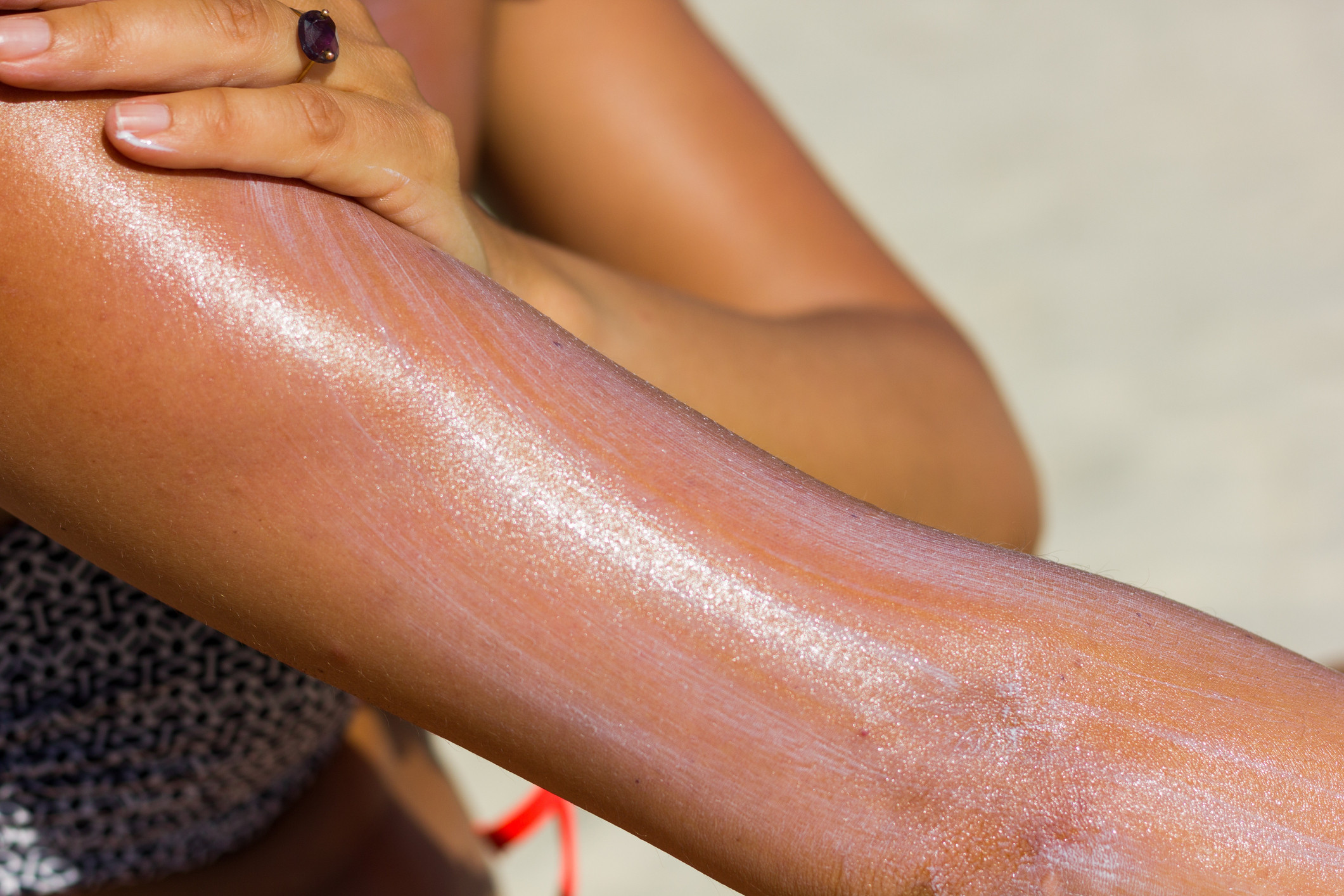
What kind of sun protection is best for babies, pregnant women, and breastfeeding women?
Ask the doctors
Q. Should pregnant or breastfeeding women and their children use sunscreen?
A. The American Academy of Dermatology recommends that people avoid applying sunscreen to the skin of babies younger than 6 months of age, and instead shield them from the sun, keeping them in the shade as much as possible. It's also a good idea to protect them from the sun using clothing, hats, and sunglasses.

Sunscreen in a pill?
Research we're watching
The FDA is warning consumers not to buy in to the idea that a pill can protect your skin from the sun.
In a statement issued May 22, FDA officials said they've found companies selling pills that are labeled as dietary supplements and that claim to protect skin from the sun.

Save your skin from cancer
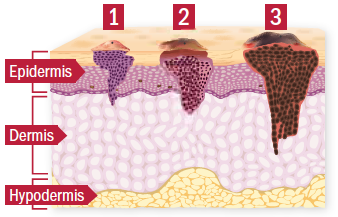
Rates of the two most common skin cancers have more than doubled over the past decade. Here's how to protect yourself.
When it comes to skin cancer, there's good news and bad news. First, the bad news. A report published in the June 2017 Mayo Clinic Proceedings found that cases of basal cell carcinoma (BCC) and squamous cell carcinoma (SCC) skin cancers have risen 263% and 145%, respectively, over the past decade.
The good news? BCC and SCC are rarely life-threatening and they're usually easy to treat if they're caught early. Plus, there are simple ways to prevent them.

Is coffee harmful to my health?
Ask the doctors
Q. I recently read about the decision by the state of California to require cancer warnings on coffee. I drink a cup a day. Should I be concerned?
A. The recent decision by a California judge to require cancer warning labels on coffee stemmed from concerns about a specific substance found in coffee, acrylamide, which is a chemical that is produced when coffee is roasted. Coffee isn't the only food or beverage that contains acrylamide. Acrylamide is produced during the high-temperature cooking process used for numerous common foods, including cookies, crackers, and potato chips, according to the American Cancer Society (ACS). But before you panic, while there definitely is acrylamide in coffee, scientists have yet to conclusively prove that this chemical causes cancer, according to the ACS. Most of the research on humans hasn't found any increased risk of cancer in people who eat foods containing acrylamide. Other studies looking at specific types of cancers have produced mixed results but found no conclusive links, according to the ACS. In addition, there is evidence that drinking coffee can bring some health benefits, such as reductions in the risks for stroke and liver disease. A 2015 study in Circulation also found that moderate coffee drinkers (defined as those having less than five cups a day) had lower risks for heart disease and neurological disease, according to the American Heart Association. So, the final message is this: if you are healthy and drink coffee moderately, there is no evidence that it's going to raise your risk of developing cancer.
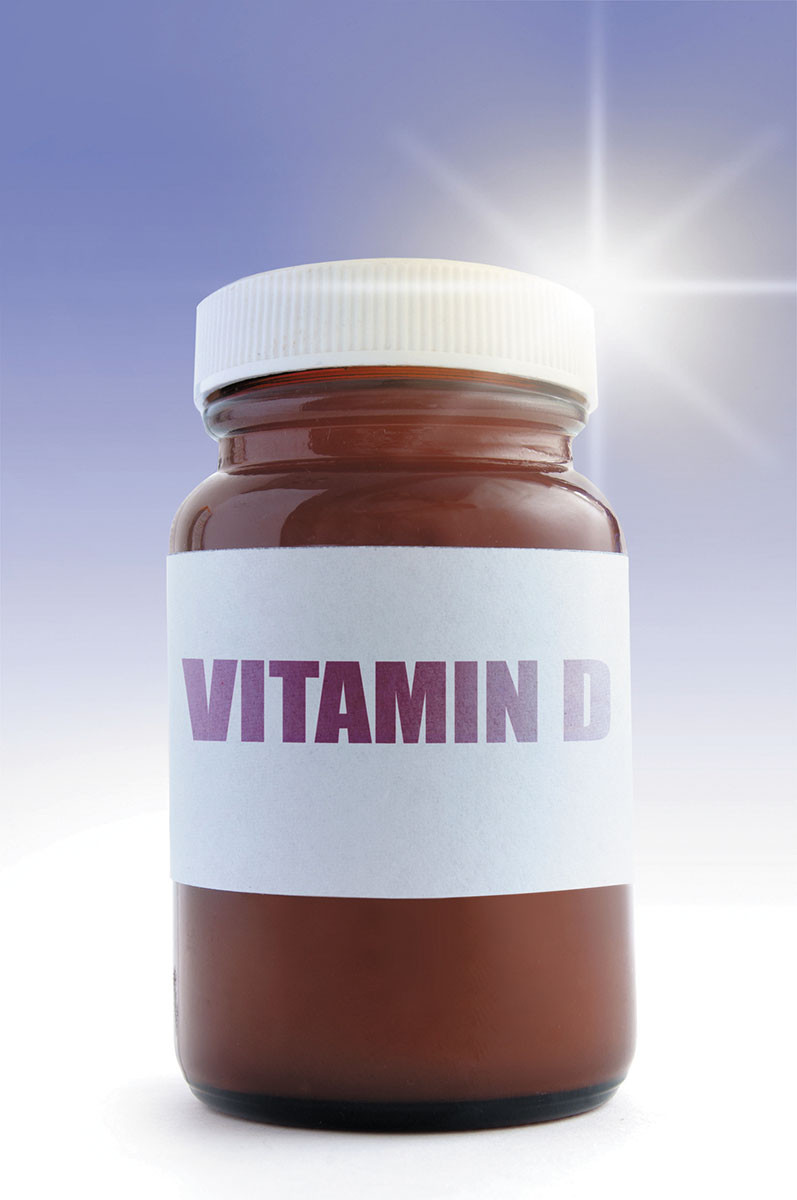
Enough vitamin D may protect against some cancers
In the journals
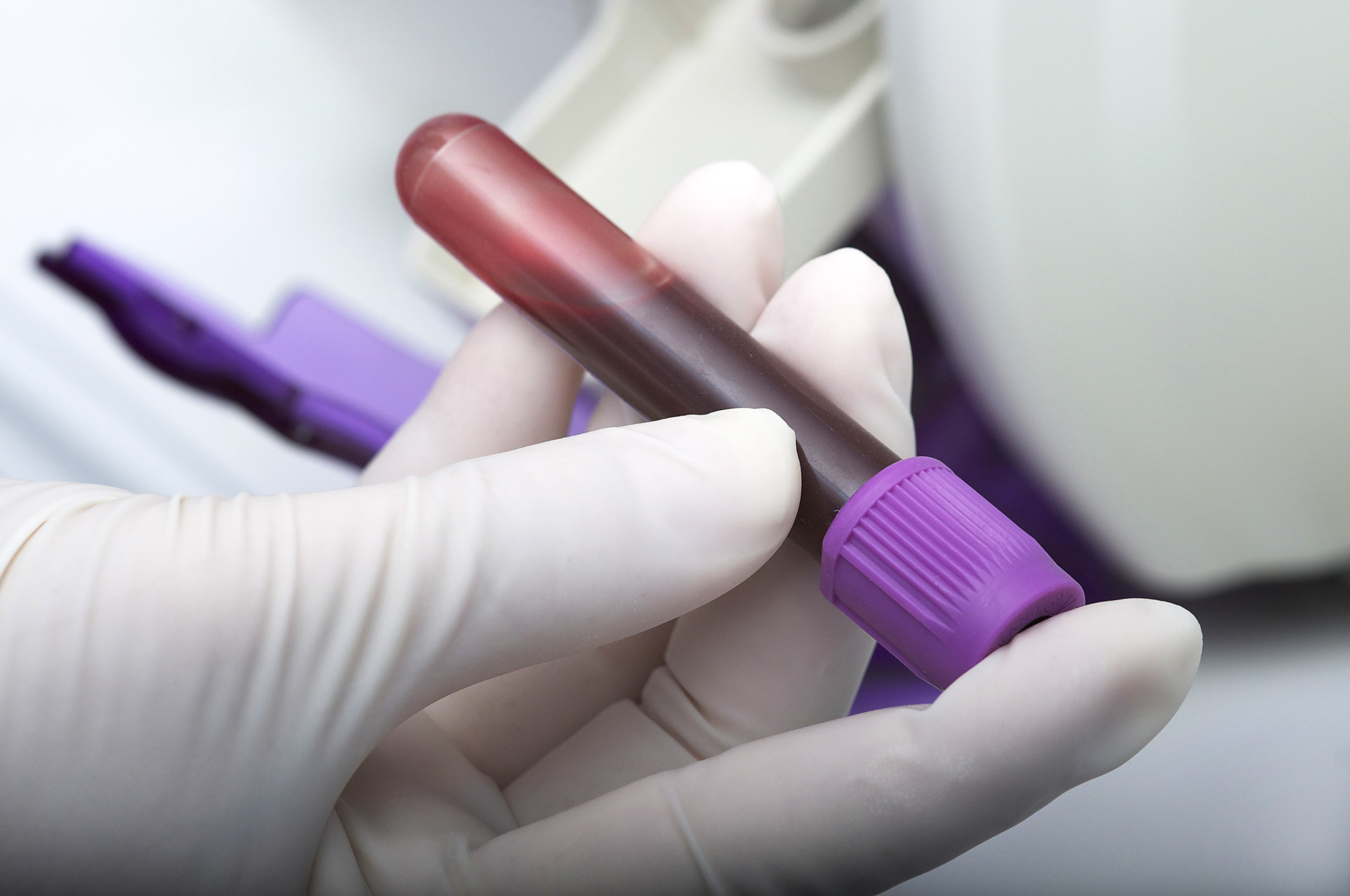
Having a low blood level of vitamin D may be linked to a higher risk of developing some cancers, suggests a study published online March 7, 2018, by The BMJ. However, taking extra vitamin D to raise already normal levels does not appear to offer more protection.
Vitamin D is made by the skin from sunlight exposure and can also be obtained through fortified foods like cereal and milk, as well as from supplements. Researchers analyzed data from the Japan Public Health Center–based Prospective Study, involving 33,736 people ages 40 to 69. The people gave blood samples and were classed into four groups, ranging from the lowest to highest levels of vitamin D. They were then monitored for an average of 16 years, during which time 3,301 new cases of cancer were recorded among the participants.
Whole grains may improve several heart risk factors at once
Light exposure at night may raise risk for heart disease
Children of centenarians may stay healthier and live longer too, study finds
A lumbar belt may help ease low back pain
Signs of pneumonia: Sometimes vague and unexpected
Using a vibration plate: What it can — and can't — do for your body
The surprising link between ovarian cancer and the fallopian tubes
People who walk more or walk faster live longer, study finds
Rosacea treatments: What works?
For sleep apnea, a dental device may be as effective as CPAP
Free Healthbeat Signup
Get the latest in health news delivered to your inbox!
Sign Up
