

Whole grains may improve several heart risk factors at once

Light exposure at night may raise risk for heart disease

Children of centenarians may stay healthier and live longer too, study finds

A lumbar belt may help ease low back pain

Signs of pneumonia: Sometimes vague and unexpected

Using a vibration plate: What it can — and can't — do for your body

The surprising link between ovarian cancer and the fallopian tubes

People who walk more or walk faster live longer, study finds

Rosacea treatments: What works?

For sleep apnea, a dental device may be as effective as CPAP
Skin Cancer Archive
Articles



Is that dry skin really something more serious?
Symptoms of dry skin, eczema, contact dermatitis, and psoriasis can overlap.
Image: © Sasha_Suzi/Thinkstock
It's easy to overlook dry skin during the winter, when indoor heating and dry air pull moisture from the skin. But sometimes it's tough to tell if dry skin is a consequence of the season or a sign of a serious condition. "I see a fair number of people who come in with psoriasis or eczema and had just assumed it was dry skin," says Dr. Jason Frangos, a dermatologist at Harvard-affiliated Brigham and Women's Hospital.
Why does skin dry out?
It's not just winter conditions that lead to dry skin; it's also a change in our skin's top layer, or epidermis. This layer is normally thick with naturally occurring fats and oils that act as a barrier to help retain moisture and prevent irritants from entering the skin.
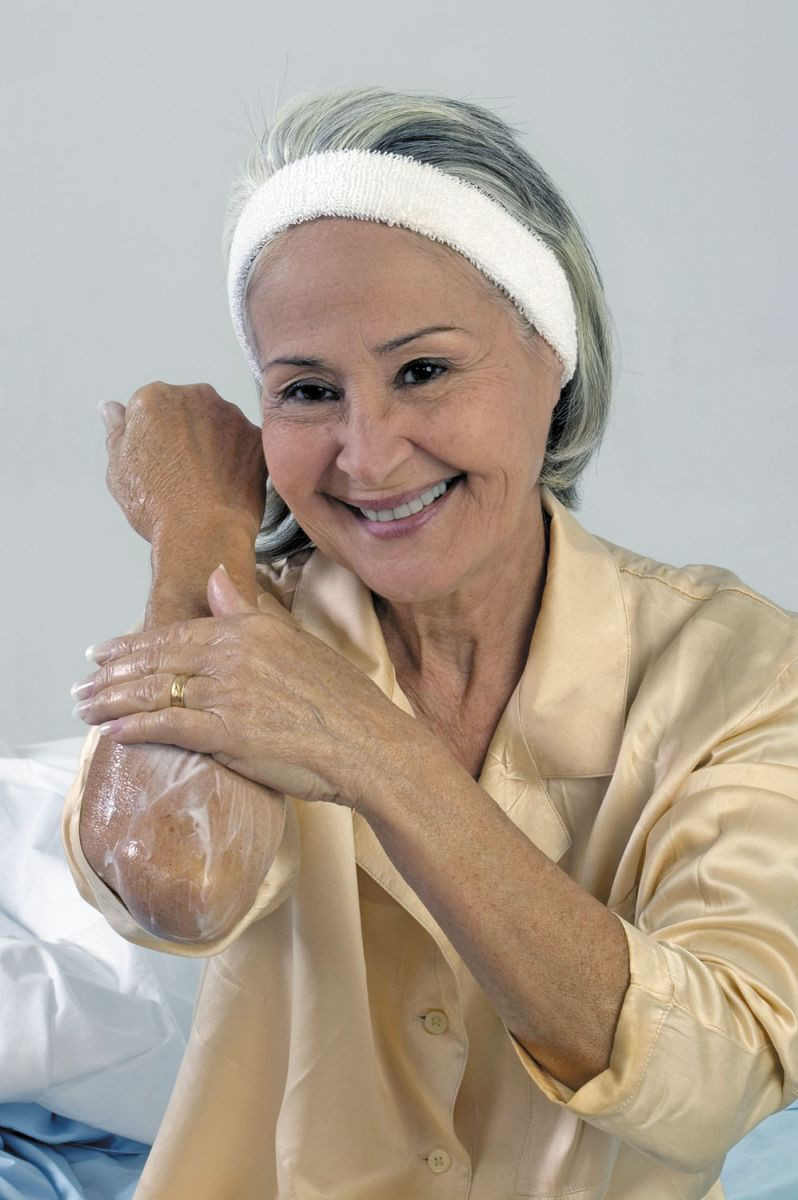
Ward off winter skin woes
Try these simple strategies to keep dry, cracking skin at bay during the cold weather.
Chapped, dry, cracked, and peeling... winter can be hard on your skin. What with the cold air and the lack of humidity, your skin spends the winter months fighting to retain moisture, not to mention fending off other insults from cold-weather staples like scratchy wool clothes and crackling wood fires.
How can your skin survive the season? We asked Dr. Barbara Gilchrest, senior lecturer on dermatology at Harvard Medical School, to weigh in with her best tips to help you protect your skin from winter dryness.

Newer drugs are improving survival for men with metastatic prostate cancer
Men with prostate cancer that has spread outside the gland now have several newer drug options available for treatment, and research has found that taking any of them is likely to improve survival duration.


A more precise approach to fighting cancer
Precision medicine offers a personalized approach for prevention and treatment of cancer and other diseases.
Image: © Pogotskiy/Thinkstock
If you have a stomachache or cold, you go to the pharmacy and grab the same remedy that everyone else uses, and it often works. But is that always the best approach? Your reaction to an infection may be quite different from someone else's, so perhaps you need a treatment designed just for you and your ailment.
That's the philosophy behind precision medicine (sometimes referred to as personalized medicine), an emerging approach to prevention and treatment that takes into account a person's genes, environment, and lifestyle and eliminates the one-size-fits-all approach to health care.


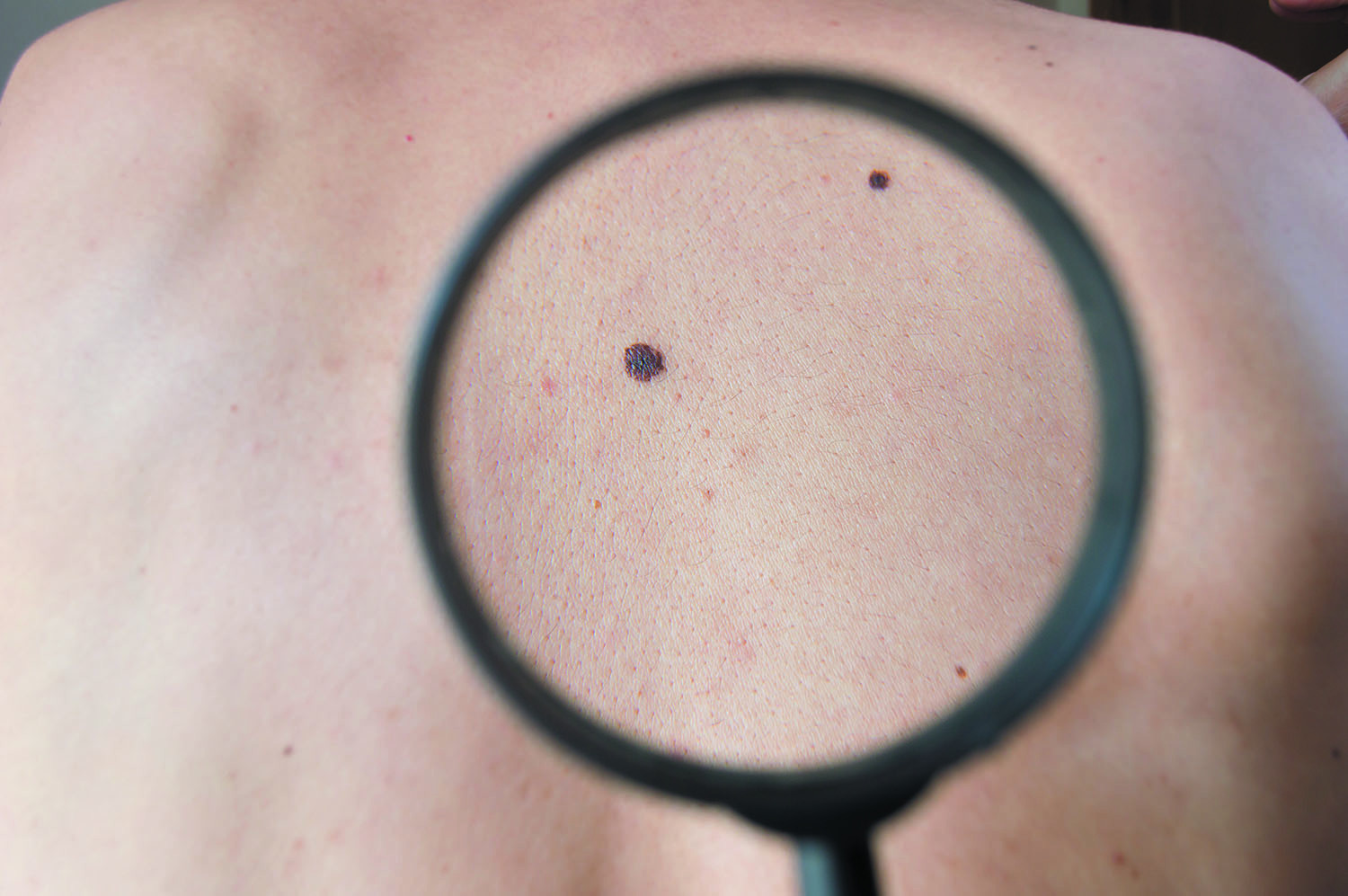
Melanomas don’t always arise from existing moles
In the journals
Image: © Manuel-F-O/Thinkstock
While it's important to have any suspicious mole checked for possible skin cancer, a study published online Aug. 29, 2017, by the Journal of the American Academy of Dermatology suggests most melanomas — the deadliest skin cancer — appear as new spots on the skin. The researchers reviewed 38 studies involving 20,126 cases of melanoma and found that 29% of diagnosed melanomas came from an existing mole, while 71% appeared as new spots. Moreover, they discovered that melanomas that grew from moles were thinner and thus less aggressive than other melanomas. In fact, people whose melanoma was associated with a mole had a better prognosis than others.
The study's authors stressed the importance of looking for any new spots on the skin as well as checking moles for changes, like itching or bleeding, and to see a dermatologist if needed. The American Academy of Dermatology encourages everyone to perform regular skin self-exams, and to ask a partner to check hard-to-see areas like the back. You can learn how to do a skin self-exam, and much more, at www.aad.org/public/spot-skin-cancer.
Whole grains may improve several heart risk factors at once
Light exposure at night may raise risk for heart disease
Children of centenarians may stay healthier and live longer too, study finds
A lumbar belt may help ease low back pain
Signs of pneumonia: Sometimes vague and unexpected
Using a vibration plate: What it can — and can't — do for your body
The surprising link between ovarian cancer and the fallopian tubes
People who walk more or walk faster live longer, study finds
Rosacea treatments: What works?
For sleep apnea, a dental device may be as effective as CPAP
Free Healthbeat Signup
Get the latest in health news delivered to your inbox!
Sign Up
