

Whole grains may improve several heart risk factors at once

Light exposure at night may raise risk for heart disease

Children of centenarians may stay healthier and live longer too, study finds

A lumbar belt may help ease low back pain

Signs of pneumonia: Sometimes vague and unexpected

Using a vibration plate: What it can — and can't — do for your body

The surprising link between ovarian cancer and the fallopian tubes

People who walk more or walk faster live longer, study finds

Rosacea treatments: What works?

For sleep apnea, a dental device may be as effective as CPAP
Skin Cancer Archive
Articles
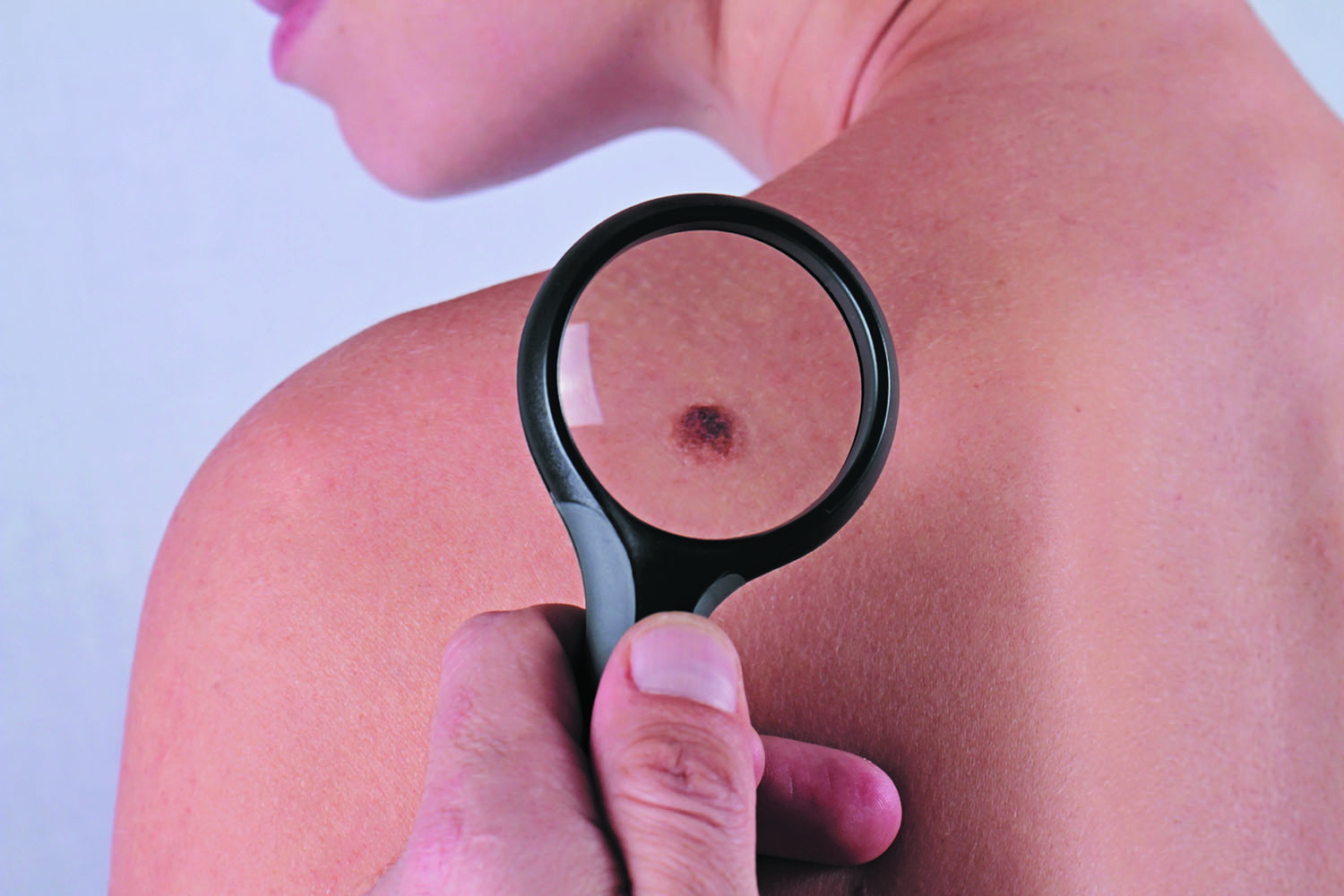
Most melanomas start as new spots
Research we're watching
Image: © ChesiireCat/Thinkstock
To catch skin cancer early, be on the lookout for new spots on your skin. A recent study found that more often than not, melanoma occurs as a new spot on your body — not as changes in an existing mole. The study, published online August 29 by the Journal of the American Academy of Dermatology, found that only 29% of melanomas came from an existing mole on the body that changed. In 71% of cases, melanoma occurred in a new lesion that popped up in a new place on the skin. In addition, the study authors noted that melanomas that do occur in existing moles tend to be thinner than melanomas in new lesions.
In addition to looking for new and unusual spots on your skin, remember your ABCDs to spot the signs of melanoma:

Cancer report shows progress, fewer cancer deaths
Research we're watching
Good news on the cancer front: The cancer death rate dropped 35% between 1991 and 2014 among children and 25% in adults, according to the annual American Association for Cancer Research Cancer Progress Report. And more treatments for the disease are on the horizon. The FDA has recently approved nine new cancer treatments and signed off on expanding the uses of eight existing therapies to treat different types of cancer. Among the new treatments are innovative immunotherapeutics, which help some people with cancer live longer with a better quality of life; an imaging agent that will let surgeons more precisely remove brain tumors; and molecularly targeted agents, which take aim at specific molecules that help cancers grow and spread to other areas of the body. It is hoped that these new treatments will further reduce cancer deaths. To read the full report, go to cancerprogressreport.org.

When you look for cancer, you might find heart disease
Screening tests for lung and breast cancer—chest computed tomography (CT) scans and mammograms—may offer clues about a person’s risk of heart disease.
B vitamins may raise risk of lung cancer in men who smoke
In the journals
Smoking causes lung cancer — no surprise there. But a new study found that high dosages of vitamin B6 or B12 supplements were associated with three to four times the lung cancer risk in male smokers compared with smokers who did not take the supplements. The results were published in the Aug. 22, 2017, Journal of Clinical Oncology.
Researchers examined information from more than 44,000 men ages 50 to 76. At enrollment, the men reported on their smoking history and their B vitamin supplement use over the previous 10 years. In the study, high intake of B vitamin was classified as 20 milligrams (mg) of B6 per day or 55 micrograms (mcg) of B12. (The recommended daily intakes for men ages 51 and older are 1.7 mg for B6 and 2.4 mcg for B12.)

Study links gum disease to cancer in older women
Experts says it's too early for alarm, but the findings provide another good reason to pay attention to oral health.
Image: © Glayan/Thinkstock
Is gum disease linked to cancer? A study published in the August issue of Cancer Epidemiology, Biomarkers & Prevention suggests a tie between the two, finding that older women with gum disease had a higher risk for cancers of the breast, lung, and esophagus as well as melanoma, the most dangerous form of skin cancer.
But it's not time to sound the alarm just yet, because while the study was published in a well-regarded journal, it had limitations that may have affected the results, says Alessandro Villa, instructor in oral medicine, infection, and immunity at the Harvard School of Dental Medicine and associate surgeon at Brigham and Women's Hospital. Even so, he says, your oral health should still be a top priority because while it may be premature to say gum disease and cancer are linked, research has shown that gum disease, also known as periodontal disease, may increase the risk of heart disease and other health problems.

Study investigates treatment regret among prostate cancer survivors
Surveys of over 900 men who were diagnosed with prostate cancer in the 1990s found that approximately 15% had some regret over their treatment choices. Study authors encourage doctors and patients to have frank and thorough discussions about about the risks and benefits of various forms of treatment for prostate cancer.
Are colon cancer screenings necessary after a certain age?
On call
Q. I am 77 and in overall good health. My previous colonoscopies to check for colon cancer have been normal. Can I stop having them?
A. The major benefit of colon cancer screening is seen in men ages 50 to 75. After age 75, the potential benefit is smaller, and the risks and side effects of the procedure — like bleeding and perforation of the colon — are higher.
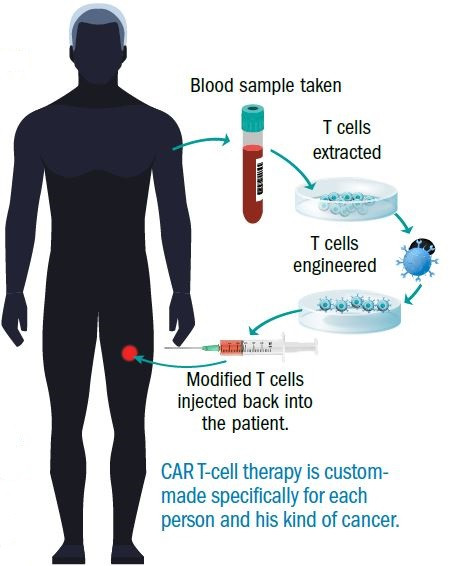
Teaching T cells to fight cancer
CAR T-cell immunotherapy helps the immune system seek out and kill cancer cells.
CAR T-cell immunotherapy adds a new weapon in the fight against cancer. Immunotherapy, one of the most exciting advances in cancer treatment, helps the immune system better target and kill cancer cells by focusing only on the cancerous cells while sparing the healthy ones.
One of the most innovative immunotherapies today is chimeric antigen receptor (CAR) T-cell therapy, which is custom-made for individuals and their specific cancer.
Melanoma isn’t the only skin cancer
Research we're watching
You probably know to have your skin checked frequently for the signs of melanoma. But you should also be looking out for another, more common type of skin cancer — squamous cell carcinoma. This potentially lethal skin cancer can show up on your skin as a white or pink bump, a non-healing sore, or even a scaly patch. According to the American Academy of Dermatology, cases of squamous cell carcinoma are on the rise, with some 700,000 new diagnoses each year.
"While other skin cancers may be more lethal, they're less common," writes Dr. M. Laurin Council, an assistant professor of dermatology at Washington University in St. Louis. "Squamous cell carcinoma is highly treatable when detected early, so it's important for people to know the signs of this disease and keep a close eye on their skin."
Erectile dysfunction drugs not linked to melanoma
In the journals
The erectile dysfunction drugs collectively known as phosphodiesterase type 5 (PDE5) inhibitors, such as sildenafil (Viagra), may not cause melanoma, the most dangerous form of skin cancer, according to a study published online May 19, 2017, by the Journal of the National Cancer Institute.
In 2016, the FDA put PDE5 inhibitors on its watch list of medications with possible safety issues after some studies suggested they might increase the risk for melanoma. In response to the FDA's action, researchers analyzed data from five large-scale studies of the issue, involving 866,049 men, published between 2014 and 2016.
Whole grains may improve several heart risk factors at once
Light exposure at night may raise risk for heart disease
Children of centenarians may stay healthier and live longer too, study finds
A lumbar belt may help ease low back pain
Signs of pneumonia: Sometimes vague and unexpected
Using a vibration plate: What it can — and can't — do for your body
The surprising link between ovarian cancer and the fallopian tubes
People who walk more or walk faster live longer, study finds
Rosacea treatments: What works?
For sleep apnea, a dental device may be as effective as CPAP
Free Healthbeat Signup
Get the latest in health news delivered to your inbox!
Sign Up
