

Whole grains may improve several heart risk factors at once

Light exposure at night may raise risk for heart disease

Children of centenarians may stay healthier and live longer too, study finds

A lumbar belt may help ease low back pain

Signs of pneumonia: Sometimes vague and unexpected

Using a vibration plate: What it can — and can't — do for your body

The surprising link between ovarian cancer and the fallopian tubes

People who walk more or walk faster live longer, study finds

Rosacea treatments: What works?

For sleep apnea, a dental device may be as effective as CPAP
Skin Cancer Archive
Articles


Being overweight any time in adulthood still associated with a shorter life
Research we're watching
Previous studies have suggested that being somewhat overweight or even slightly obese may not be associated with a shortened life span. Some studies have suggested that being a bit overweight might even be healthier than being at normal weight. This has been referred to as the "obesity paradox."
A recent analysis of data from the Nurses' Health Studies I and II and the Health Professionals Follow-up Study has helped bring clarity to this paradox. Researchers from the Harvard T.H. Chan School of Public Health and Boston University School of Public Health assessed the maximum body mass index (BMI) over 16 years for more than 190,000 postmenopausal women and 35,000 senior men. They then tracked who died over a follow-up period averaging 12 years. They found that people with a maximum BMI in the normal range (18.5 to 24.9 kg/m2) throughout life had the lowest risk of death. Those whose highest recorded BMI fell into the overweight or obese category were at elevated risk of dying from any cause, as well as dying specifically from cardiovascular disease, cancer, or respiratory disease, during the follow-up period.

Breast implants linked to rare lymphoma
Research we're watching
The FDA's medical device reporting program recently announced that as of February 1, it had received 359 reports of anaplastic large cell lymphoma (ALCL), a rare type of non-Hodgkin's lymphoma, in women who had received breast implants. Nine women had died of the disease. The FDA uses such reports to alert clinicians about potential significant side effects from approved drugs and devices, and as it gathers more information, the data may change. Many reports contained details of the implants, including whether the outside surface was smooth or textured and whether the filling was silicone gel or saline.
ALCL is usually found within a capsule of fibrous scar tissue that forms around an implant, not in the breast tissue itself. It appears to develop more frequently in women with textured implants, regardless of filling type.

Which is best for optimal sun protection — sprays or lotions?
On call
Q. I have a history of skin cancer, so I am careful with my sunscreen application. I recently heard that I should avoid spray sunscreens. Is that true?
A. Sunscreen use is highly recommended to help prevent skin damage from sun exposure. Spray sunscreens are popular because they are easy to apply and help cover hard-to-reach areas like the back and shoulders. However, they do raise a few concerns. One is the chance of inhaling some of the sunscreen ingredients or its propellant. The health risk from this is uncertain, but it may trigger asthma in susceptible men. The FDA has not specifically determined the health risks of inhaling sunscreen sprays, but recently advised not to use them near your face.
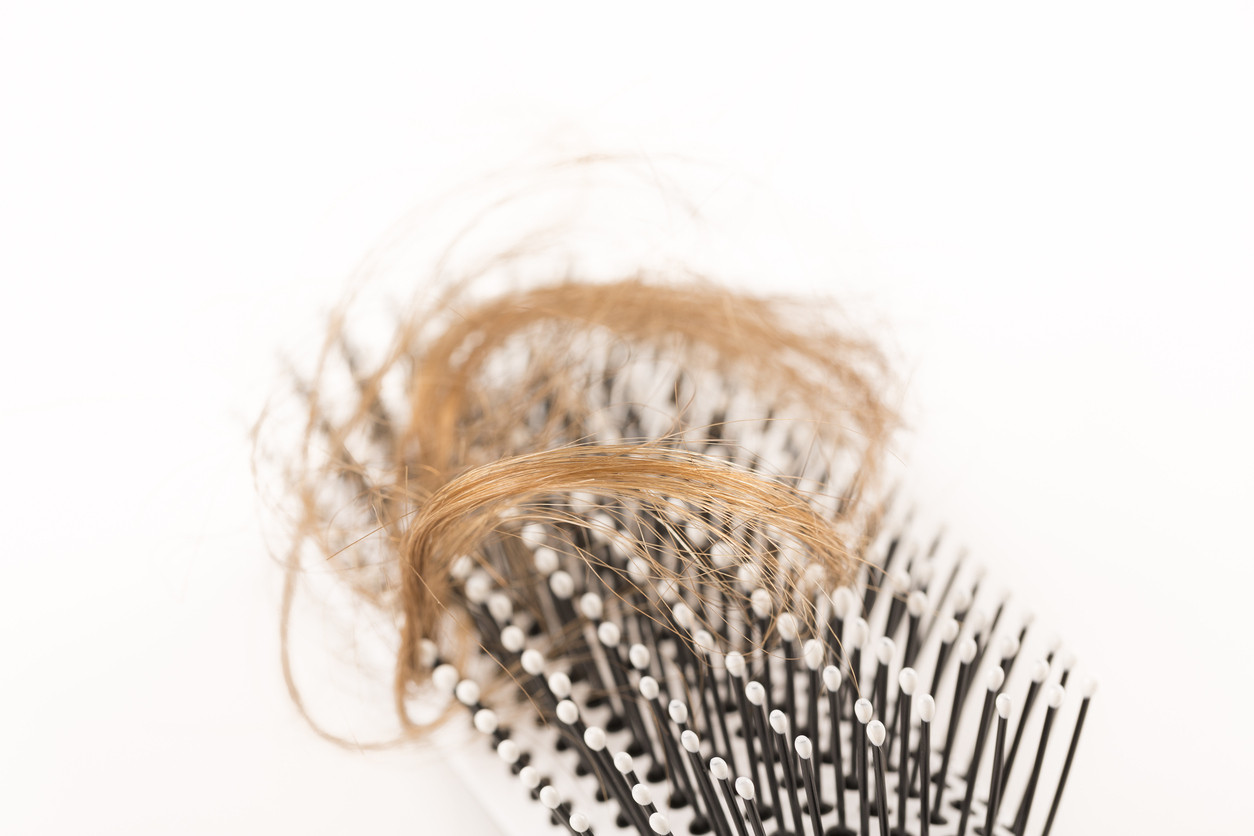
Why do I lose a lot of hair each fall?
Ask the doctors
Q. I have fairly thick hair in the summer, but it seems to thin out in late fall. Is there anything I can do now to prevent losing hair in a few months?
A. Sadly, no. What you've experienced is common to all of us. On average, about 90% of the hairs on our heads are in the growing phase and about 10% are in the resting phase. After a few months in the resting phase, the hairs are shed. It's normal to shed up to 100 hairs a day.

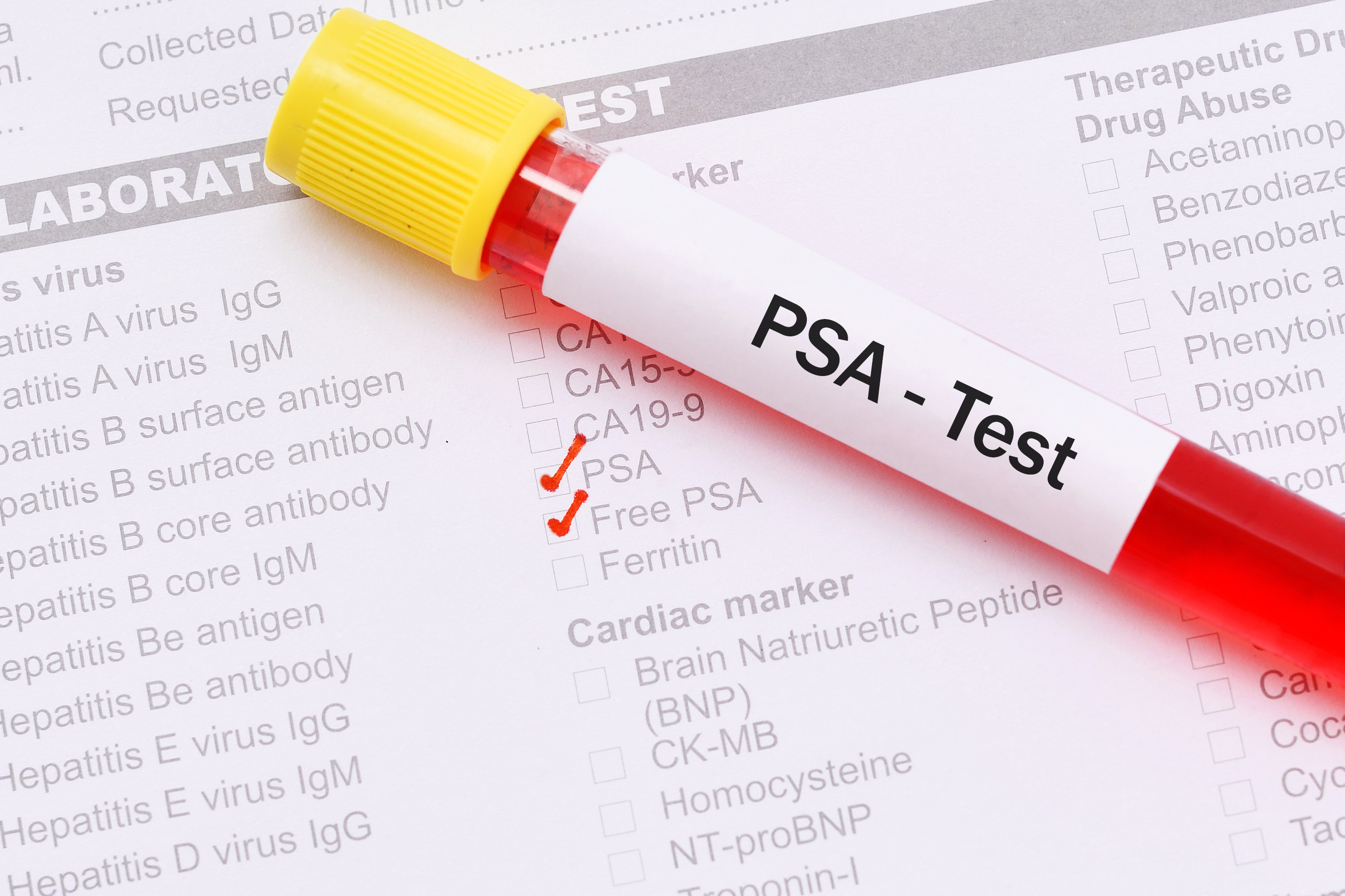
To PSA test or not to PSA test: That is the discussion
The recommended guidelines for whether men should have the prostate cancer screening test have changed in recent years. A man considering the test should talk with his doctor and understand all the pros and cons involved.

Do gel manicures increase cancer risk?
Ask the doctors
Image: © Click_and_Photo/Thinkstock
Q. I like gel manicures because the polish doesn't chip easily, but I've heard that they may cause cancer. Is this true?
A. The gel polish itself hasn't been associated with an increased risk of cancer. However, lamps and light boxes, which are used to seal the polish during professional manicures, have raised concern. That's because many emit fairly high levels of UVA radiation, which plays a major role in the development of cancer. The level of risk depends on the frequency of manicures. A 2014 study in JAMA Dermatology indicated that the level of UVA exposure associated with a gel manicure every two weeks probably isn't high enough to increase the risk of skin cancer significantly.
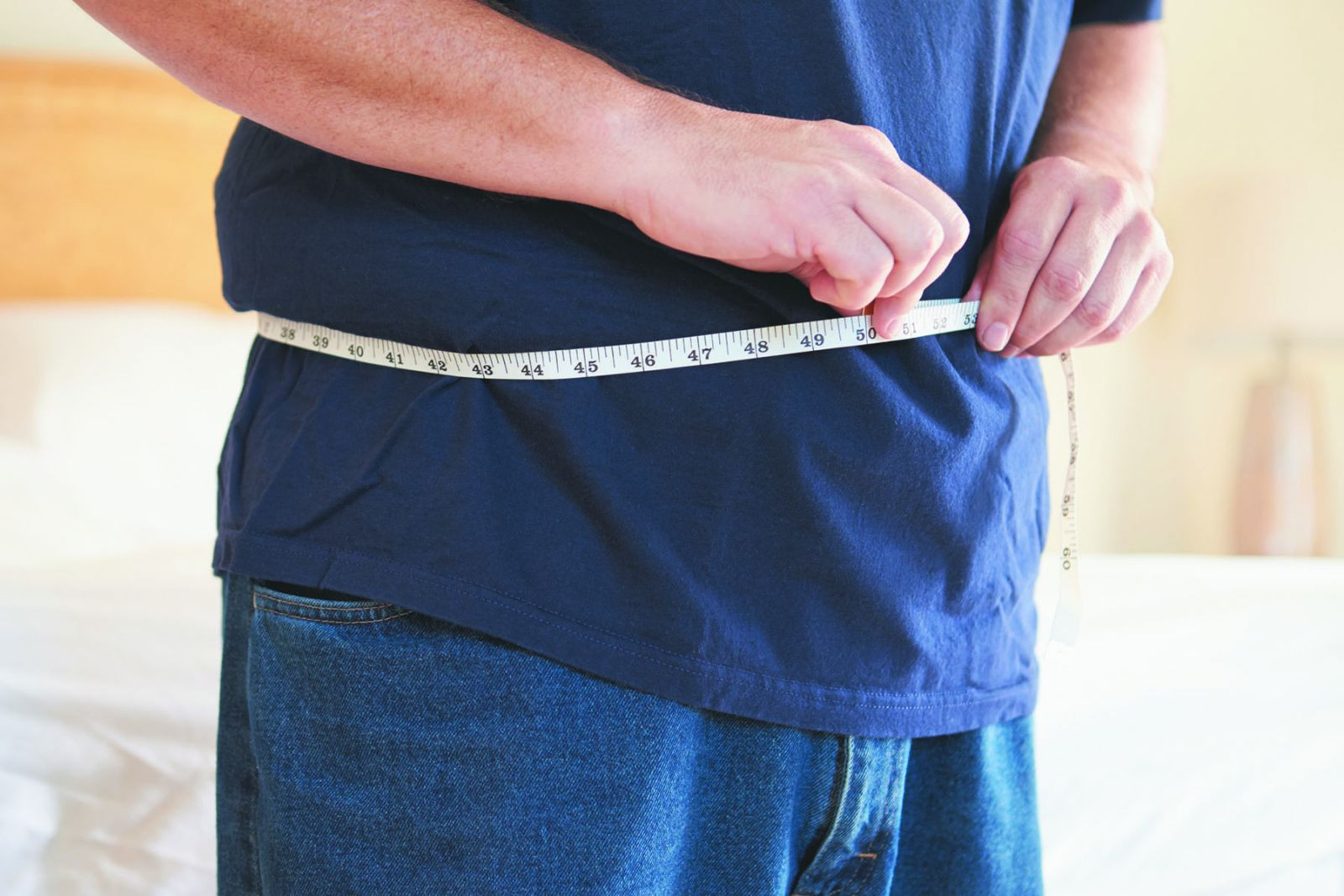
Cancer and fat: New findings about the connection
News briefs
Image: © monkeybusinessimages/Thinkstock
Carrying around extra weight is a known risk factor for developing some cancers. But exactly which kinds of cancer are associated with obesity is debated. A study published Feb. 28, 2017, in The BMJ aimed to narrow it down. European researchers combed through about 100 large reviews of observational studies that looked for links between being overweight and getting cancer.
Out of 36 kinds of cancer evaluated, the researchers found strong evidence for a link to obesity for 11—in the colon, rectum, biliary tract (liver and gallbladder), pancreas, breast, endometrium (uterine lining), ovary, kidney, and the gastric cardia (the junction of the esophagus and stomach); a certain type of esophageal cancer (adenocarcinoma); and one type of bone marrow cancer (multiple myeloma). The researchers said there may be links between obesity and other cancers, but so far the evidence is relatively weak.

Finding “ugly ducklings” may help detect melanoma
Research we're watching
Image: © Igor Gratzer/Thinkstock
In Hans Christian Andersen's classic fairy tale, the ugly duckling stands out from the flock because he's destined to become a swan. In dermatology, the "ugly duckling" is a mole that doesn't look like the rest of the moles on a person's body, and is often suspected to be a melanoma.
A team of French researchers decided to test whether finding an ugly duckling among all of a patient's moles is as effective a way of identifying melanoma as applying diagnostic criteria — like size, shape, color, and irregularity — to each mole separately. For the study, nine dermatologists studied images of 2,089 individual moles from 80 people. The images were presented to the dermatologists two different ways on two different days. On one day, they evaluated each image separately; on another, they looked for the ugly ducklings among the complete set of moles from each patient. They were able to flag the melanomas accurately both times. However, they were able to decrease the number of moles biopsied when they used the ugly duckling system.
Whole grains may improve several heart risk factors at once
Light exposure at night may raise risk for heart disease
Children of centenarians may stay healthier and live longer too, study finds
A lumbar belt may help ease low back pain
Signs of pneumonia: Sometimes vague and unexpected
Using a vibration plate: What it can — and can't — do for your body
The surprising link between ovarian cancer and the fallopian tubes
People who walk more or walk faster live longer, study finds
Rosacea treatments: What works?
For sleep apnea, a dental device may be as effective as CPAP
Free Healthbeat Signup
Get the latest in health news delivered to your inbox!
Sign Up
