

Reading the current blood pressure guidelines

Oat vs. dairy milk: Nutrition, benefits, and downsides

Microplastics: A hidden health threat?

Healing after food poisoning

What is tempeh? Benefits, nutrition, and how to use it

Light exposure at night may raise risk for heart disease

Whole grains may improve several heart risk factors at once

A lumbar belt may help ease low back pain

Children of centenarians may stay healthier and live longer too, study finds

Signs of pneumonia: Sometimes vague and unexpected
Safety/injury prevention Archive
Articles
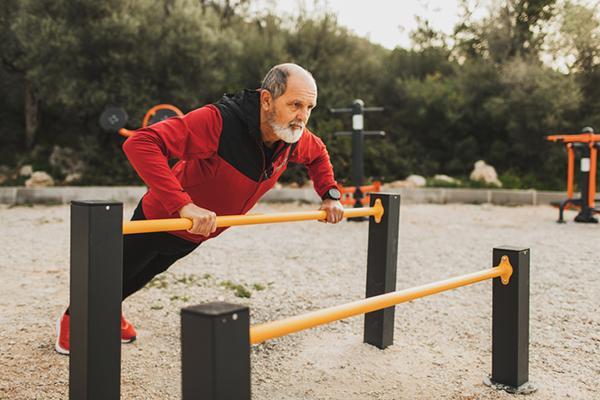
New resistance training guidance may simplify your workout
Resistance training at least twice a week builds strength, power, and endurance and preserves function as people age. Home workouts with body-weight movements and resistance bands are as effective as using gym equipment. All major muscle groups should be strengthened.
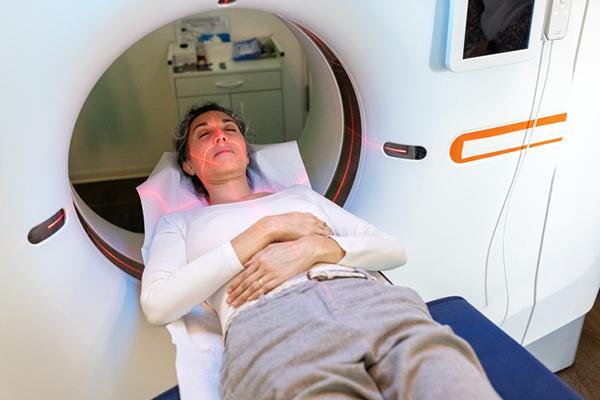
Full-body MRI screening: Reassurance or overdiagnosis?
Full-body MRI scans are marketed as a way to detect hidden cancers and other health conditions before symptoms appear. But these elective scans aren’t as precise as medically recommended MRIs and may reveal harmless abnormalities that lead to unnecessary follow-up tests.
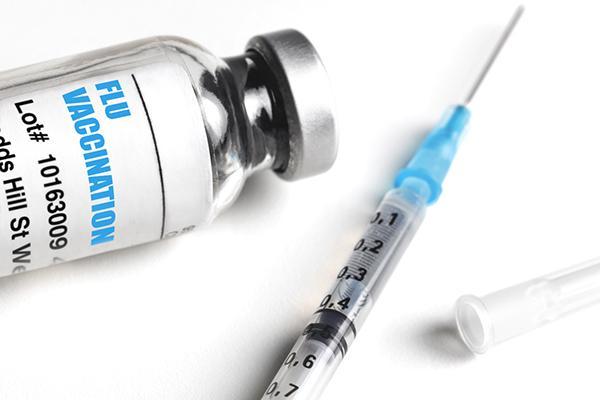
High-dose flu shot may lower risk of Alzheimer's
A 2026 study suggested that getting a high-dose flu shot may reduce older adults’ risk of developing Alzheimer’s disease compared with a standard-dose flu shot.

Core exercises: Diagonal opposite arm and leg raise
Harvard fitness expert Michele Stanten takes you through a simple exercise to tighten your abs, strengthen your back, and improve your balance.
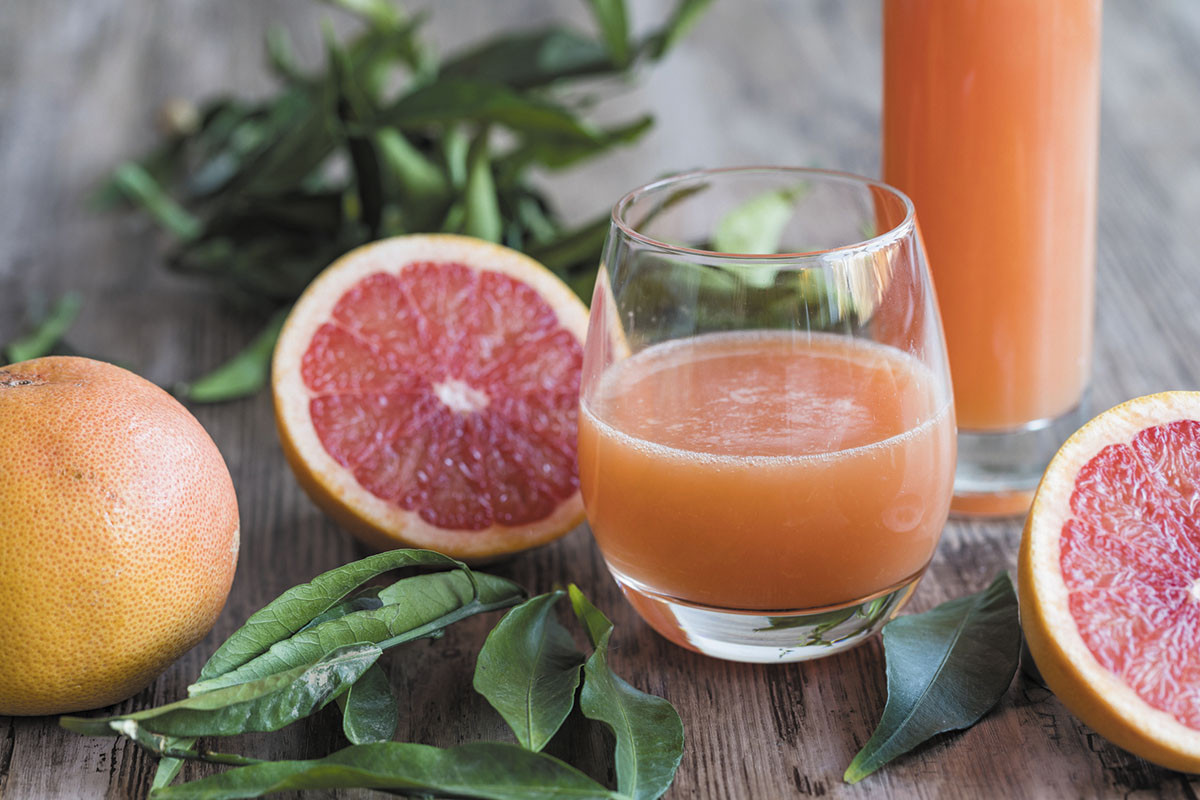
Heart medication interactions
Certain drugs, supplements, or foods can interact with common heart medications. Known as drug-drug or drug-nutrient interactions, these can occur at any point of the drug's "life cycle:" absorption, metabolism, or excretion. When a drug or other substance alters the absorption or metabolism of another drug, this may reduce or increase its effects. For example, grapefruit juice can elevate blood levels of certain statins and potentially increase the risk of side effects.
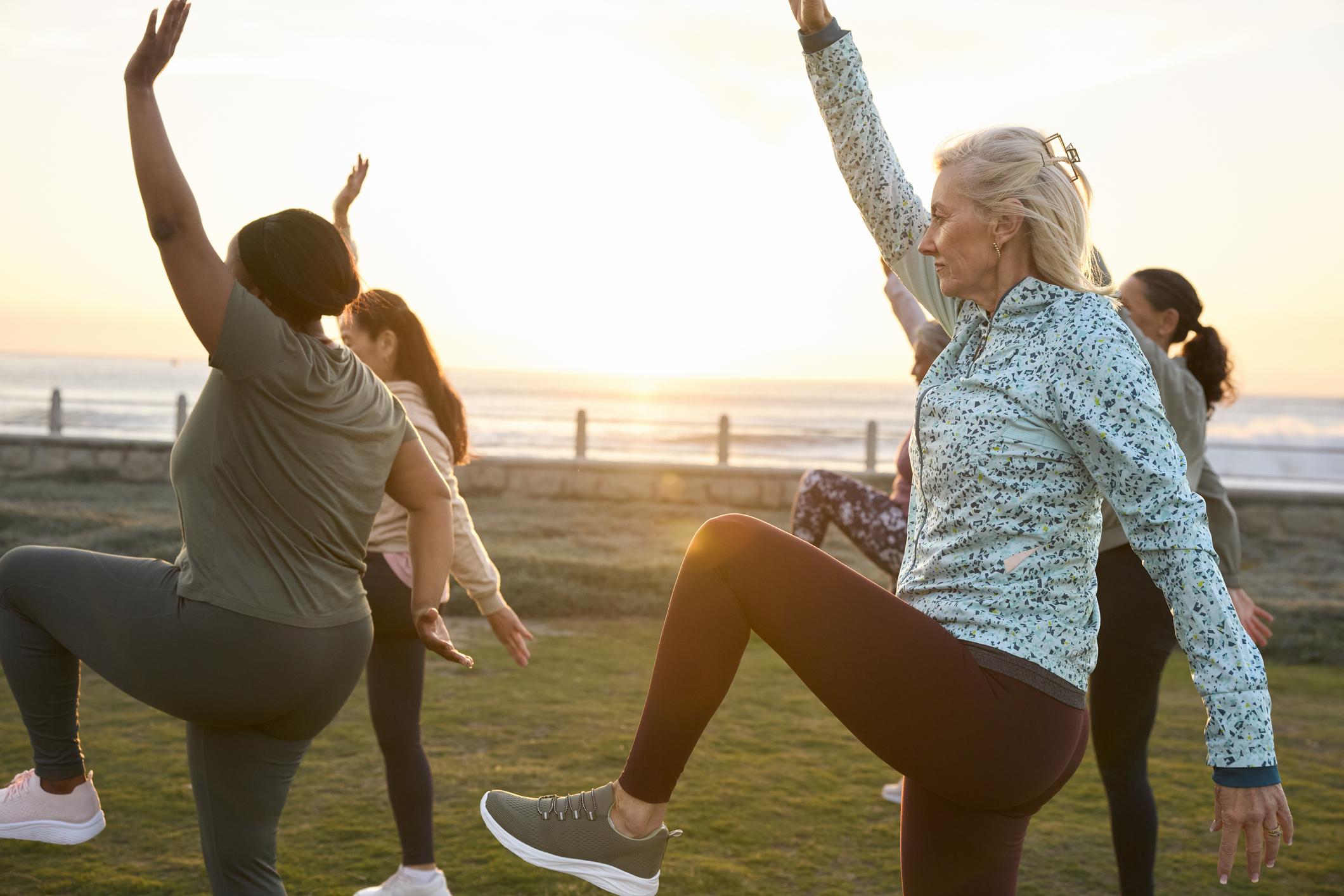
How steady are you? A balance & fall-prevention quiz
Staying steady on your feet isn’t just luck—it's a skill you can build. In this 10-question quiz, test your balance know-how and get instant feedback with simple tips to help you prevent falls and stay confident on your feet.
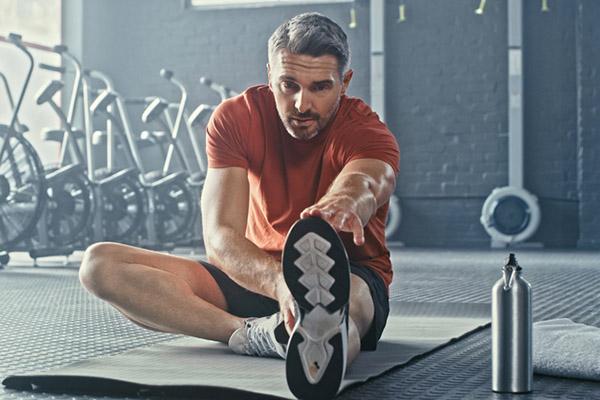
The best stretching routines for men
Men may be less flexible than women, but stretching offers important benefits for everyone, especially as they age. Stretching may help keep muscles limber, improve balance and posture, prevent injuries, and even benefit sports performance.

Give praise to the elbow: A bending, twisting marvel
Life would be extremely difficult for humans if we didn't have elbows, yet when it comes to joints we hear very little about them. So let's consider what the elbows do for us and why we should do all we can to protect them.


The 4 most important types of exercise
Some aspects of exercise and fitness are ignored. In reality, everyone should do aerobics, stretching, strengthening, and balance exercises.
Reading the current blood pressure guidelines
Oat vs. dairy milk: Nutrition, benefits, and downsides
Microplastics: A hidden health threat?
Healing after food poisoning
What is tempeh? Benefits, nutrition, and how to use it
Light exposure at night may raise risk for heart disease
Whole grains may improve several heart risk factors at once
A lumbar belt may help ease low back pain
Children of centenarians may stay healthier and live longer too, study finds
Signs of pneumonia: Sometimes vague and unexpected
Free Healthbeat Signup
Get the latest in health news delivered to your inbox!
Sign Up
