
Reading the current blood pressure guidelines

Oat vs. dairy milk: Nutrition, benefits, and downsides

Microplastics: A hidden health threat?

Healing after food poisoning

What is tempeh? Benefits, nutrition, and how to use it

Light exposure at night may raise risk for heart disease

Whole grains may improve several heart risk factors at once

A lumbar belt may help ease low back pain

Children of centenarians may stay healthier and live longer too, study finds

Signs of pneumonia: Sometimes vague and unexpected
Safety/injury prevention Archive
Articles
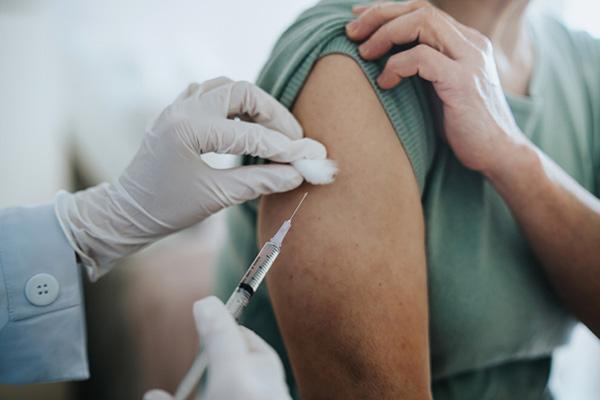
What does a killed virus mean in a vaccine?
Vaccines can contain different forms of viruses, and the choice may affect how your immune system responds and which vaccine is right for you.

Plyometrics: Three explosive exercises even beginners can try
Plyometric training involves short, intense bursts of activity that target fast-twitch muscle fibers in the lower body that generate power for increased speed and jumping height. Doing plyometric exercises can boost strength, power, and agility.
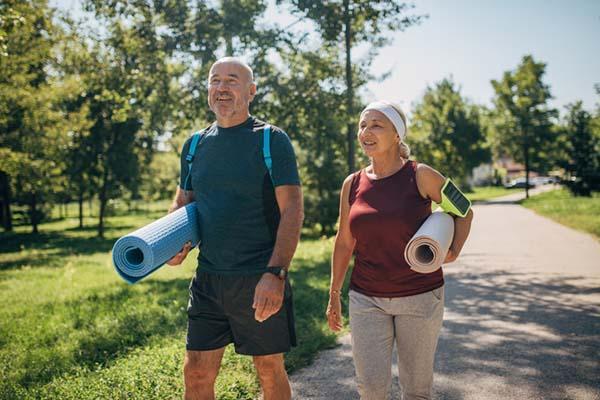
Even a little exercise linked with lower stroke risk in people with afib
Physical activity, even as little as 15 minutes a day of moderate-intensity exercise, is linked with a lower risk of stroke and death in people with atrial fibrillation.
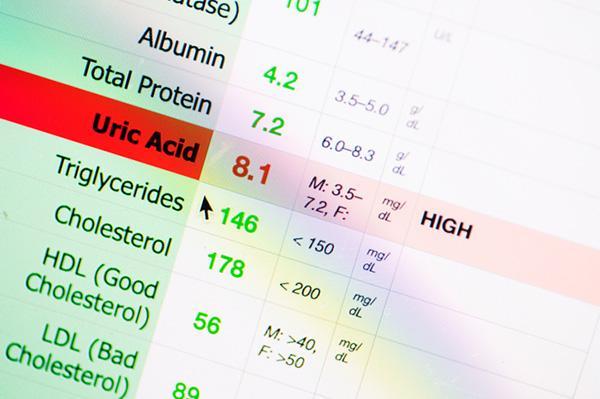
When is treatment needed for high uric acid?
High uric acid doesn’t always mean daily treatment. Several factors, including gout symptoms and kidney health, can help guide the next step.
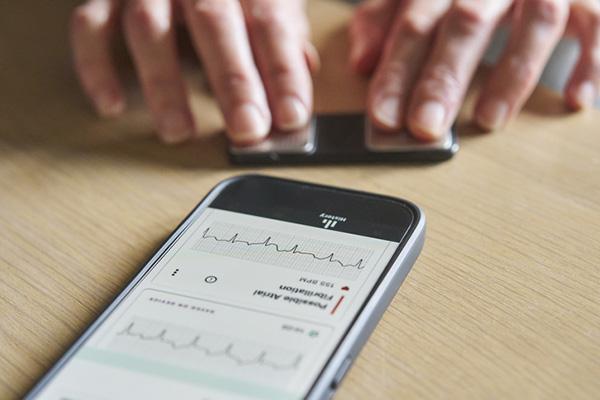
What should you know about atrial fibrillation without heart disease?
A new heart rhythm diagnosis can be unsettling, even when other tests look normal. Find out what to discuss with your doctor next.

Tricep workouts you can do at home
Located at the back of the upper arm, the triceps muscles constitute about two-thirds of its muscle mass. Often overlooked by people in favor of training the more-visible biceps or deltoid muscles, the triceps are integral to performing everyday tasks, such as heavy lifting and reaching.
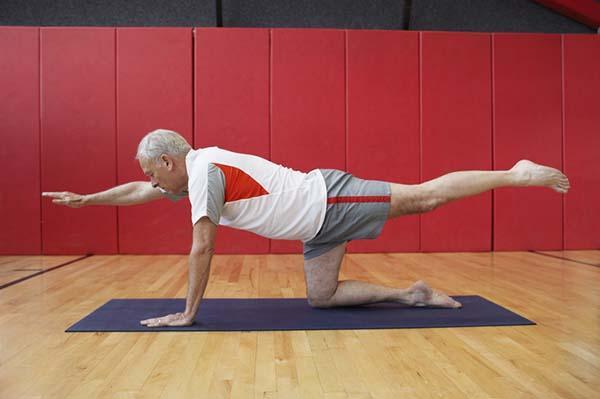
Bird dog exercise for your core: How to do it safely
The bird dog exercise is performed on the hands and knees. It involves extending one arm and the leg on the opposite side simultaneously. This exercise is highly effective at strengthening the core, the group of muscles in the abdomen, back, pelvis, and hips that stabilize the spine.

Men might be more likely than women to rely on their doctors when making health care decisions
A 2026 analysis indicated that among adults ages 50 and older, men were more inclined than women to rely on medical professionals when making health care decisions and less likely to put quality of life ahead of simply living longer.
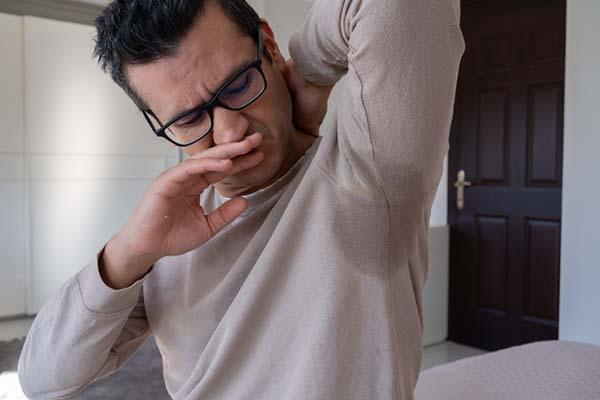
Body odor: How it changes — and how to improve it
Every person smells a little different, due to genetics, hygiene habits, and the skin’s microbiome (the microbes that naturally live on the skin), but body odor occurs when someone’s scent becomes foul. It is most noticeable when people are sweating, but body odor changes sometimes signal certain health conditions.
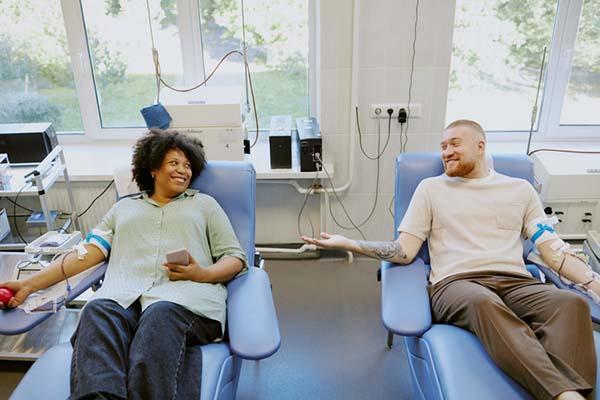
Does a colonoscopy affect blood donation?
A recent colonoscopy may raise questions before you donate blood, but the reason behind this screening question may surprise you.
Reading the current blood pressure guidelines
Oat vs. dairy milk: Nutrition, benefits, and downsides
Microplastics: A hidden health threat?
Healing after food poisoning
What is tempeh? Benefits, nutrition, and how to use it
Light exposure at night may raise risk for heart disease
Whole grains may improve several heart risk factors at once
A lumbar belt may help ease low back pain
Children of centenarians may stay healthier and live longer too, study finds
Signs of pneumonia: Sometimes vague and unexpected
Free Healthbeat Signup
Get the latest in health news delivered to your inbox!
Sign Up
