

Reading the current blood pressure guidelines

Oat vs. dairy milk: Nutrition, benefits, and downsides

Microplastics: A hidden health threat?

Healing after food poisoning

What is tempeh? Benefits, nutrition, and how to use it

Light exposure at night may raise risk for heart disease

Whole grains may improve several heart risk factors at once

A lumbar belt may help ease low back pain

Children of centenarians may stay healthier and live longer too, study finds

Signs of pneumonia: Sometimes vague and unexpected
Safety/injury prevention Archive
Articles
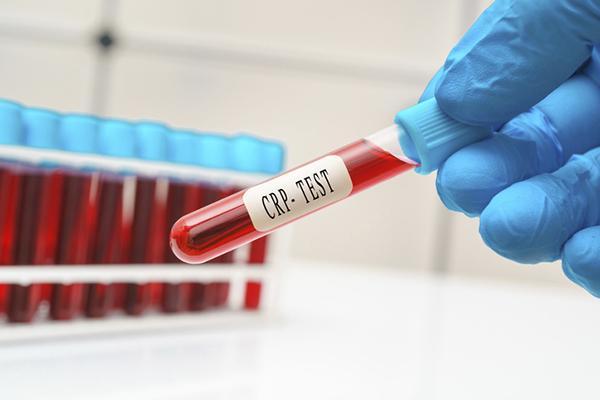
C-reactive protein: Should healthy people be tested for it?
Scientists are learning that chronic inflammation can raise people’s risk for cardiovascular disease much like established risk factors. The American College of Cardiology advocates measuring an inflammation marker called C-reactive protein in healthy people to reveal hidden heart disease risk.

What is a longevity specialist, and should I see one?
Longevity (or healthspan) specialists focus on preventing age-related disease and extending people’s healthy years, rather than waiting to treat illness once it appears. Ideally, a longevity specialist focuses on proven health fundamentals before supplements and experimental therapies.
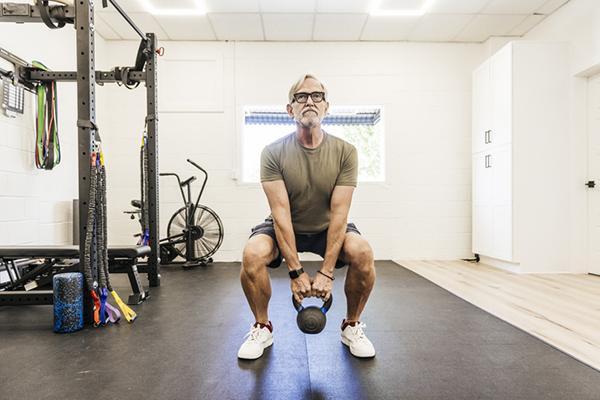
Strength training over decades linked to longer life
A 2026 study suggests that people who do up to two hours of strength training each week over several decades may have a lower risk of dying earlier from several serious conditions, including heart disease and neurological diseases such as dementia.

Think fast: How does your face protect you?
Not only is our face our calling card to the world, its features evolved to mount immune system defenses, help ward off illness, and protect us in many ways. Our eyes, nose, mouth, and facial structure itself all contribute to our continued well-being.

Extreme heat: Staying safe if you have health issues
Climate change has made life-threatening heat waves increasingly common across the globe. Anyone with health issues will have a more difficult time in extreme heat, including older people and people with diabetes, heart disease, asthma, and other conditions. Be prepared by knowing how to identify and treat heat-related illness, and how to plan for hot days.
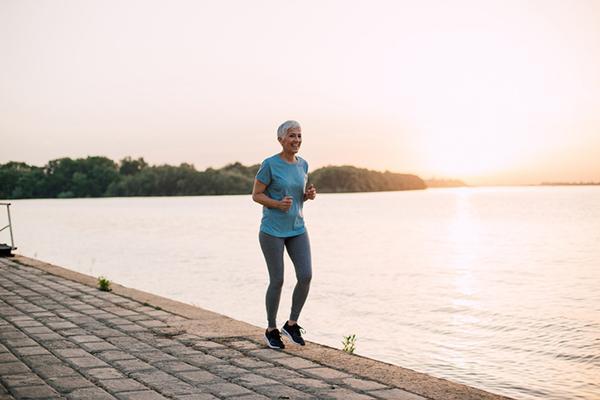
Should you schedule your exercise based on your circadian rhythm?
A small, short-term 2026 study suggests that people who schedule their exercise to align with their chronotype—the body’s natural sleep and wake cycle—may lower their heart risk factors more than those who exercise at times that don’t align with their chronotype.

Can MRSA return after treatment?
A MRSA infection may be treatable, yet the bacteria can sometimes remain on the body and return. Find out what recovery and prevention involve.

Many older adults get health information from self-defined experts online
A 2026 national survey suggested that half of all American adults under 50—and 35% of older adults—get health information from social media influencers or podcasters, the minority of whom are health care professionals. People should be skeptical of any advice from these sources.
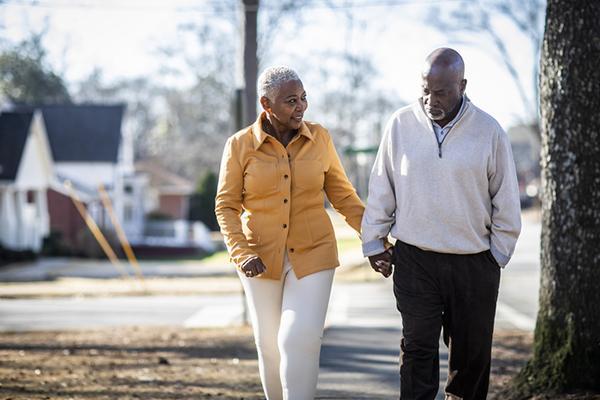
Increasing daily steps may boost surgical recovery
After most types of surgery, early and increased walking appears to support a smoother recovery. A 2026 study found that increased daily steps above pre-surgery levels were linked with shorter hospital stays, lower complication rates, and fewer readmissions.

Reading the current blood pressure guidelines
Oat vs. dairy milk: Nutrition, benefits, and downsides
Microplastics: A hidden health threat?
Healing after food poisoning
What is tempeh? Benefits, nutrition, and how to use it
Light exposure at night may raise risk for heart disease
Whole grains may improve several heart risk factors at once
A lumbar belt may help ease low back pain
Children of centenarians may stay healthier and live longer too, study finds
Signs of pneumonia: Sometimes vague and unexpected
Free Healthbeat Signup
Get the latest in health news delivered to your inbox!
Sign Up
