
Reading the current blood pressure guidelines

Oat vs. dairy milk: Nutrition, benefits, and downsides

Microplastics: A hidden health threat?

Healing after food poisoning

What is tempeh? Benefits, nutrition, and how to use it

Light exposure at night may raise risk for heart disease

Whole grains may improve several heart risk factors at once

A lumbar belt may help ease low back pain

Children of centenarians may stay healthier and live longer too, study finds

Signs of pneumonia: Sometimes vague and unexpected
Safety/injury prevention Archive
Articles
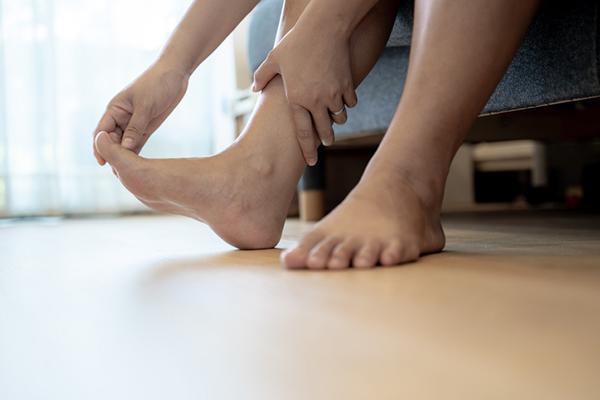
Why do my fingers and ankles swell by the end of the day?
Edema is swelling caused by fluid trapped in body tissues. It can occur in anyone, but it’s more common in older adults. A variety of factors contribute to mild edema, including weakened valves in veins, gravity, inactivity, arthritis, and certain medications.

Stretching studios: Do you need what they offer?
One trend in the world of fitness is the stretching studio, providing assisted stretching sessions marketed as a way to improve flexibility and ease chronic pain. But those looking to boost their overall health are more likely to benefit from regular, moderate physical activity, and do their stretching at home.
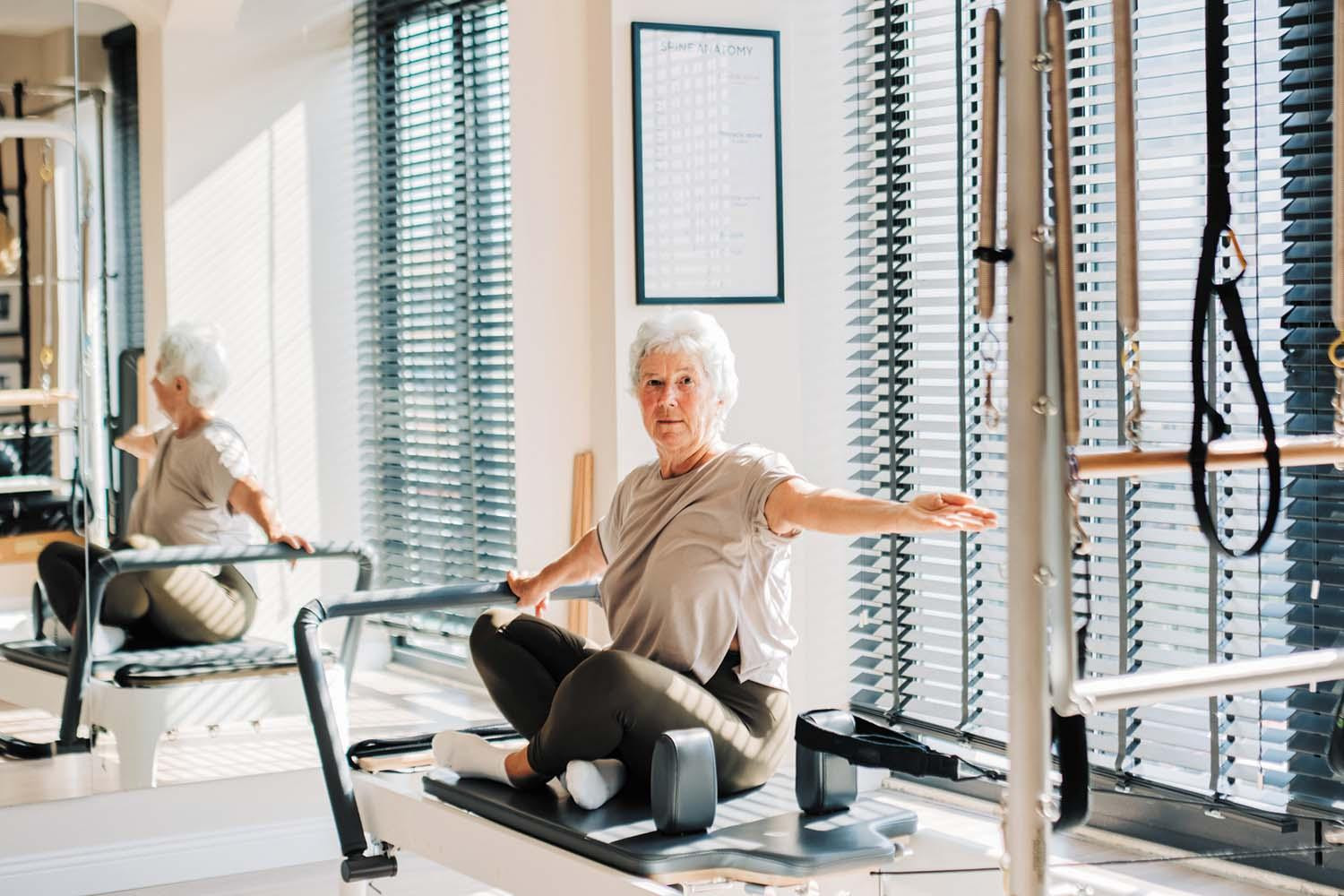
Pilates: A good workout option, even as we get older
Pilates can be a good low-impact workout option, especially as people get older. It focuses on core strength, balance, and flexibility, and can be adapted-on a mat, reformer, or even in a chair-to different abilities and comfort levels.
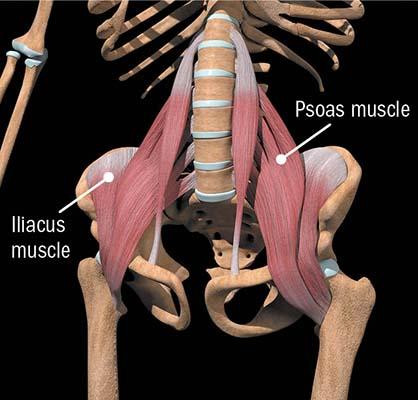
Try these stretches to avoid sore hips
Hours spent sitting can leave a person's hips feeling stiff and sore, often because the hip flexor muscles have tightened and shortened. Understanding how these muscles work and practicing simple stretches regularly can relieve discomfort and improve flexibility.
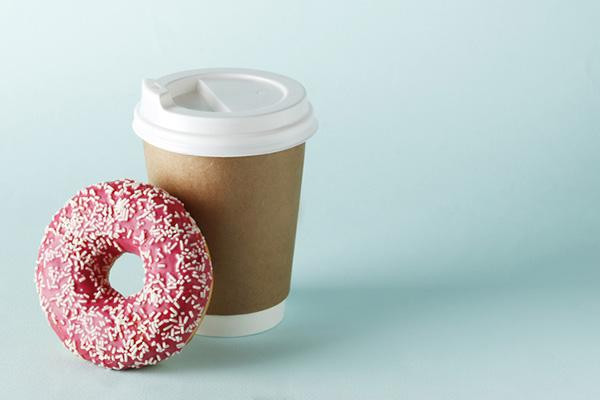
GERD diet: Foods to avoid to reduce acid reflux
Dietary changes can make a big difference for people with gastroesophageal reflux disease (GERD). Foods to limit or avoid include chocolate, onions, and tomato sauce. Adjusting eating habits-by eating smaller portions, for example-might also help people avoid heartburn and other symptoms.
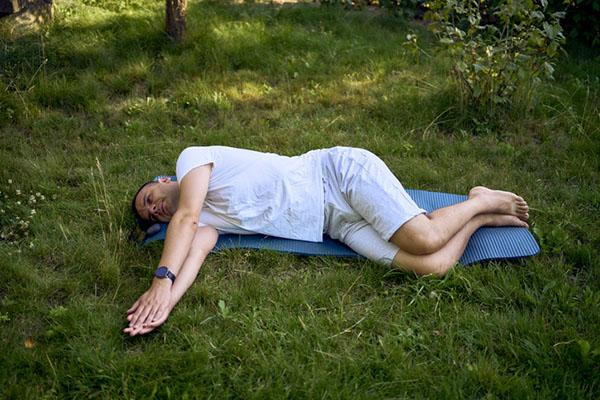
What are somatic workouts?
Somatic workouts involve paying attention to internal sensations and responses during physical movements. These movements help people become more aware of how their body moves. Somatic workouts can reduce pain and muscle tension and calm anxiety.
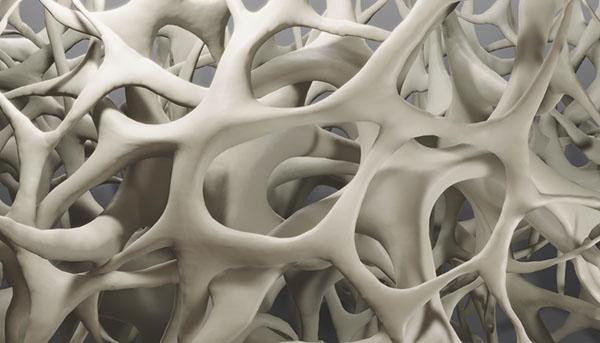
Everyday habits that sneakily weaken your bones
A variety of everyday habits can stealthily reduce bone health. These include consuming too little calcium, excessive caffeine or soda, inadequate protein, and large amounts of alcohol, as well as smoking, being sedentary, dieting frequently, or taking certain medications.
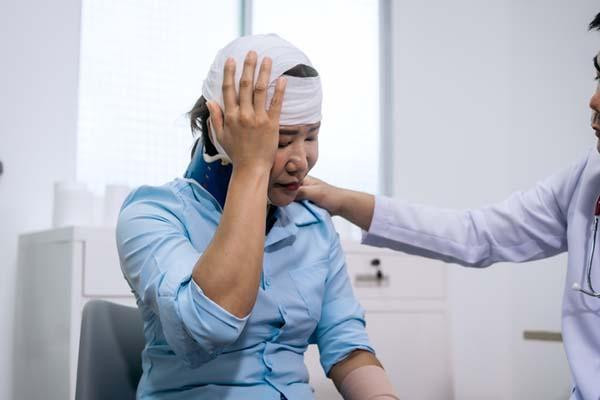
Prompt treatment for head injury may lower your risk of dementia
A 2025 study found that people ages 50 to 90 who received treatment within one week after a moderate or severe traumatic brain injury had a 41% lower risk of developing Alzheimer's disease over the following three years, suggesting that early treatment may be important.


Reading the current blood pressure guidelines
Oat vs. dairy milk: Nutrition, benefits, and downsides
Microplastics: A hidden health threat?
Healing after food poisoning
What is tempeh? Benefits, nutrition, and how to use it
Light exposure at night may raise risk for heart disease
Whole grains may improve several heart risk factors at once
A lumbar belt may help ease low back pain
Children of centenarians may stay healthier and live longer too, study finds
Signs of pneumonia: Sometimes vague and unexpected
Free Healthbeat Signup
Get the latest in health news delivered to your inbox!
Sign Up
