

Whole grains may improve several heart risk factors at once

Light exposure at night may raise risk for heart disease

Children of centenarians may stay healthier and live longer too, study finds

A lumbar belt may help ease low back pain

Signs of pneumonia: Sometimes vague and unexpected

The surprising link between ovarian cancer and the fallopian tubes

Using a vibration plate: What it can — and can't — do for your body

People who walk more or walk faster live longer, study finds

Rosacea treatments: What works?

For sleep apnea, a dental device may be as effective as CPAP
Mental Health Archive
Articles
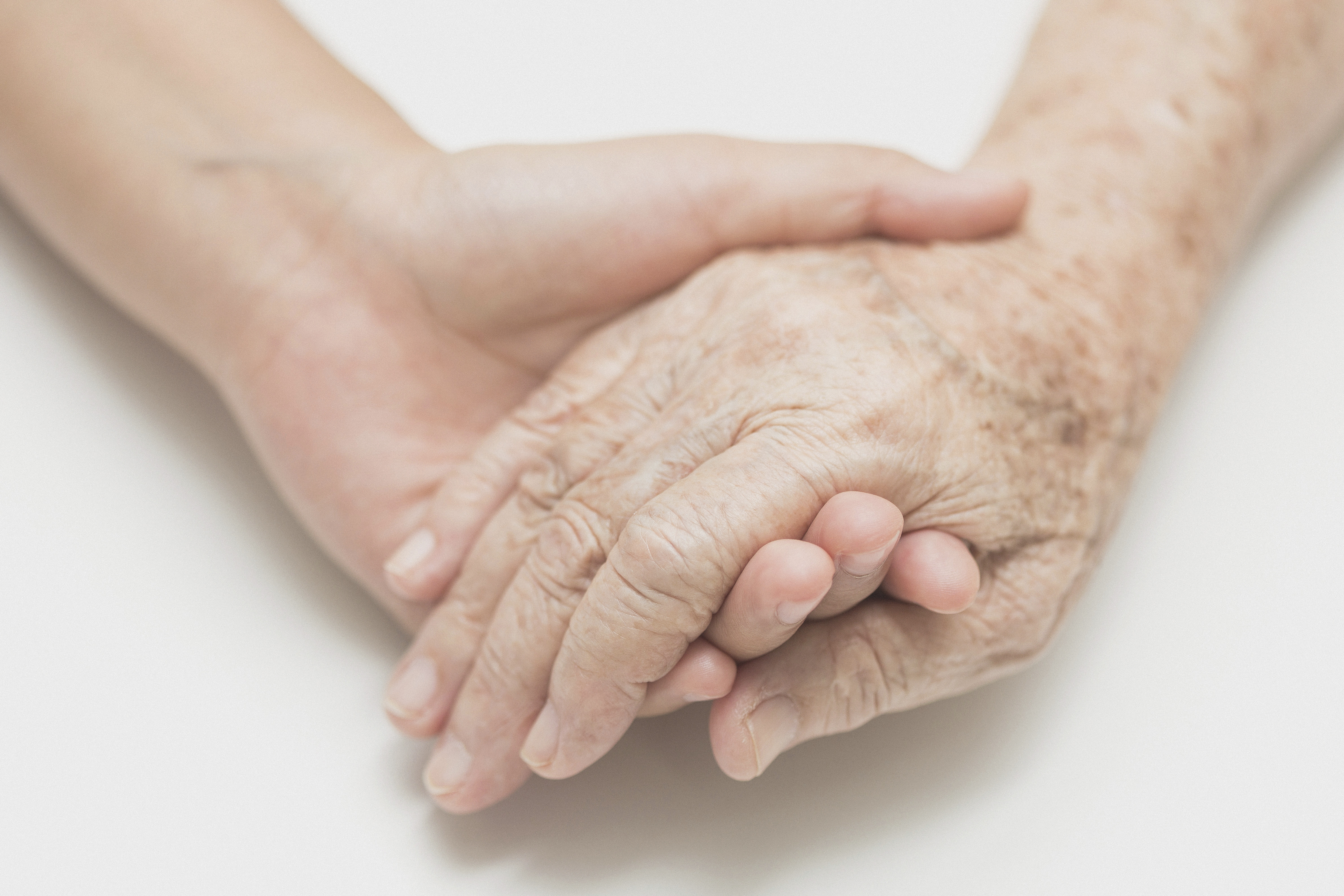
The empowering potential of end-of-life care
There’s almost always something we can do to improve our health and well-being — even at the end of our lives. Palliative care is designed to improve the quality of life for people with life-threatening illnesses and their families by keeping a person comfortable and making sure his or her values and preferences guide the medical team’s actions. For this reason, good communication with your care team — and your loved ones — is essential, even before you or a loved one has developed a serious illness.

How can I help my daughter deal with her miscarriage?
Ask the doctor
Q. My daughter had a miscarriage a few months ago and since then she has been depressed and withdrawn. Do you know anything I can do to help?
A. Miscarriage can involve a difficult emotional recovery, and many women and their partners are surprised at the intensity of their feelings. Many women who have experienced a miscarriage feel that they have done something wrong. They may worry that the miscarriage resulted from stress or lifestyle choices they made during pregnancy. In fact, most miscarriages are the result of chromosomal abnormalities, structural abnormalities of the uterus, or maternal endocrine or autoimmune disorders.

Prescription drug use continues to increase, survey shows
Research we're watching
A nationwide survey conducted by researchers at Harvard T.H. Chan School of Public Health indicates that prescription drug use rose from 51% of U.S. adults in the 1999–2000 calendar year to 59% in 2011–2012. In 2012, women were taking more prescription medications than men, with 65% taking at least one drug and 16% taking more than five.
Although the use of postmenopausal hormones declined, women's prescriptions for blood pressure medication, cholesterol-lowering drugs, antidepressants, and diabetes medications rose significantly. The study was published in the Nov. 3, 2015, issue of The Journal of the American Medical Association.

Mindfulness: Not just for stress reduction
Image: iStock
The meditative practice is being used for everything from boosting happiness to treating high blood pressure.
Mindfulness, which trains you to focus your mind on the present moment, is more than a popular meditation technique. It's been shown to help treat depression and anxiety and improve sleep quality. And it's now being studied as a complementary therapy for cancer, stroke, multiple sclerosis, and pain. "We're seeing an exponential increase in doctors embracing mindfulness as a treatment," says Dr. Ronald Siegel, assistant professor of psychology at Harvard Medical School and faculty editor of the Harvard Special Health Report Positive Psychology.

What happens when you faint?
About 1 in 3 people report at least one episode of fainting during their lifetime, so it’s surprising that we don’t see people fainting more often. Fainting is usually harmless, the body’s response to emotional or physical stress. But in some cases, fainting can indicate an underlying problem such as heart abnormalities or seizures. And even when the cause of fainting is not that serious, fainting that leads to a fall can cause injury.

The truth about altruism
Many people believe that the human tendency to want to act for the greater good is rooted in kindness. But research suggests that altruism may have evolved alongside the impulse to condemn and even chasten those put self-interests first.



Whole grains may improve several heart risk factors at once
Light exposure at night may raise risk for heart disease
Children of centenarians may stay healthier and live longer too, study finds
A lumbar belt may help ease low back pain
Signs of pneumonia: Sometimes vague and unexpected
The surprising link between ovarian cancer and the fallopian tubes
Using a vibration plate: What it can — and can't — do for your body
People who walk more or walk faster live longer, study finds
Rosacea treatments: What works?
For sleep apnea, a dental device may be as effective as CPAP
Free Healthbeat Signup
Get the latest in health news delivered to your inbox!
Sign Up
