

Whole grains may improve several heart risk factors at once

Light exposure at night may raise risk for heart disease

Children of centenarians may stay healthier and live longer too, study finds

A lumbar belt may help ease low back pain

Signs of pneumonia: Sometimes vague and unexpected

The surprising link between ovarian cancer and the fallopian tubes

Using a vibration plate: What it can — and can't — do for your body

People who walk more or walk faster live longer, study finds

Rosacea treatments: What works?

For sleep apnea, a dental device may be as effective as CPAP
Mental Health Archive
Articles
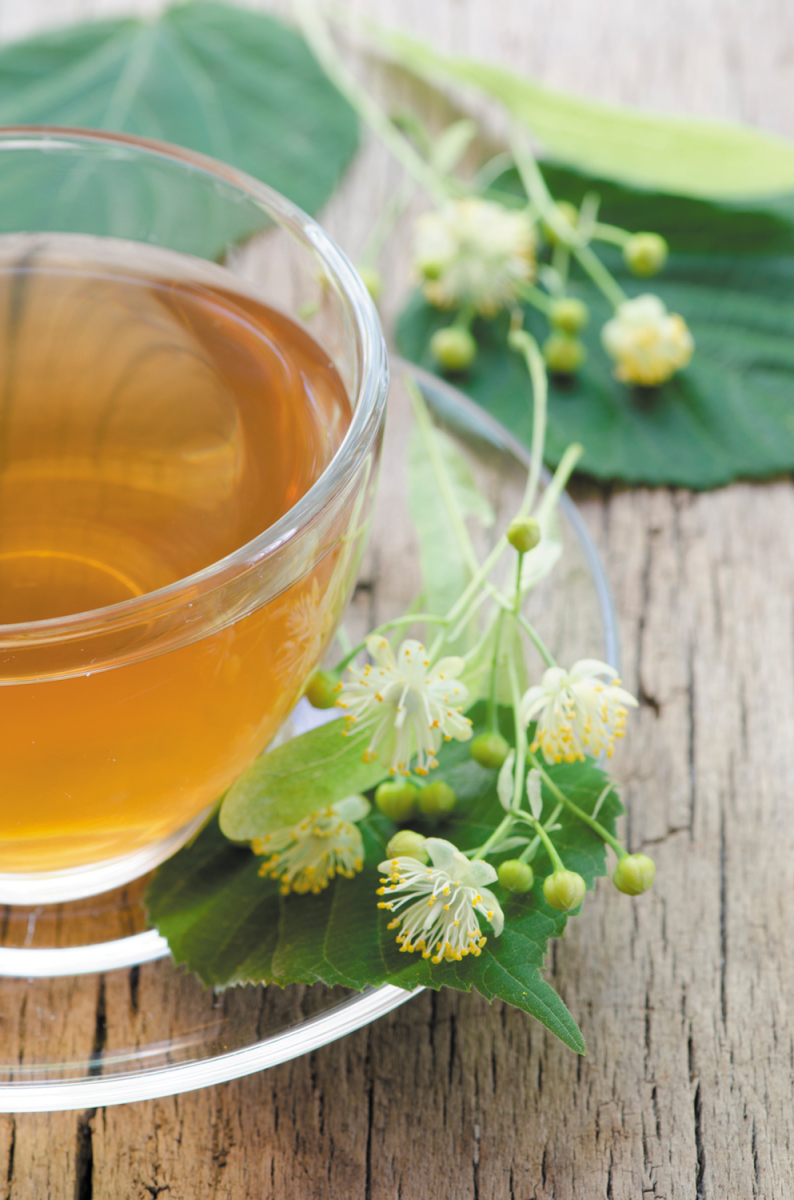
Is there a natural remedy for anxiety?
|
Ask the doctor
Q. I find myself getting more and more anxious, but I don't like to take medications. Is there an alternative natural treatment I can try instead?
A. Anxiety is an incredibly common problem. Although there are many FDA-approved medications that have been widely studied and proved effective, studies show that up to 43% of patients with anxiety use alternative medicine to treat it. Among alternative therapies, herbal treatments are widely used both for therapeutic purposes and for comfort.

Study suggests scant increased risk of breast cancer from alcohol intake
Research we're watching
A study published Oct. 15, 2015, in the International Journal of Cancer adds to evidence that the risk of breast cancer increases—but not very much—with every drink a woman takes. Researchers from five Spanish universities followed 334,850 women, ages 35 to 70, from 10 European countries. During an 11-year period, 11,576 were diagnosed with breast cancer.
When the researchers compared alcohol intake among women who developed breast cancer and those who didn't, they found women who averaged two drinks a day had a 4% higher risk than those who limited their consumption to one daily drink. Those who averaged three drinks a day had a 6% higher breast cancer risk.

Is this eating style good for brain health?
Image: Thinkstock
Ask the doctor
Q. My doctor says the Mediterranean diet is not only good for my health in general, but that it is particularly good for my brain. That got my attention. Anything to it?
A. I think there is. The Mediterranean diet is rich in whole-grain bread, root vegetables, green vegetables, fish, poultry, fruit, and olive oil. It includes relatively little red meat, butter, and other foods rich in saturated fats and trans fats. As is often the case with research into a medical question, not all studies come to the same conclusion. But many studies have found that people who regularly adhere to the Mediterranean diet are less likely to develop Alzheimer's disease. And many studies also find that people with diets rich in saturated fats (including from red meat and processed meat) and trans fats are more likely to develop dementia of some type, along with other brain disease, particularly strokes.


Teaching gratitude this holiday season – and all year long
Whether this time of year brings gift-giving rituals in your household or not, it’s a good reminder to practice the “skill” of gratitude. Even young children can learn to focus on what they have instead of what they lack. Practicing gratitude is more than a social grace. Research suggests it can help your child build resilience and it is associated with greater happiness in life. Dr. Claire McCarthy shares her tips for helping your child cultivate the skill of gratitude.

10 tips for mindful eating — just in time for the holidays
Eating without awareness can lead to overeating and take away much of the pleasure that can be found in your meals. During the holidays, it can easily cause you to overindulge. Taking a mindful approach to meals by slowing down and savoring the experience can not only help with weight control, but also enhance health and well-being — as well as your enjoyment of the meal.

3 health strategies to help you get through the holidays
Image: Thinkstock
Plan now to help prevent overeating, trips to the hospital, and depression.
The winter holidays are supposed to be a joyous time, filled with celebration. But they come with health risks, such as loneliness and depression, overeating, weight gain, falls in icy weather, foodborne illness, and heart problems. Here are ways to protect yourself while enjoying the season.
Boot camp for better sleep
Image: Bigstock
Do you worry yourself awake frequently? Cognitive behavioral therapy can help.
If you have trouble getting to sleep and staying asleep, that's insomnia. It happens to everyone from time to time. But it can also become a chronic problem. For some men, fretting about whether they will be able to sleep—and the emotional upset of not being able to when they try—can itself become the root cause of insomnia.
Will Prozac help my premenstrual depression?
Ask the doctor
Q. I've had some severe bouts of depression before my periods. I have done my own research and I am willing to try an antidepressant. What dosage of Sarafem or Prozac is usually given to treat this?
A. Selective serotonin reuptake inhibitors (SSRIs) are an excellent option for treating premenstrual syndrome (PMS) and premenstrual dysphoric disorder (PMDD). In fact, most physicians now consider them first-line therapy. Many different SSRIs have been studied, including the one you asked about—fluoxetine (Prozac or Sarafem)—and they all appear to be equally effective.
Confirming depression: When extra tests might help
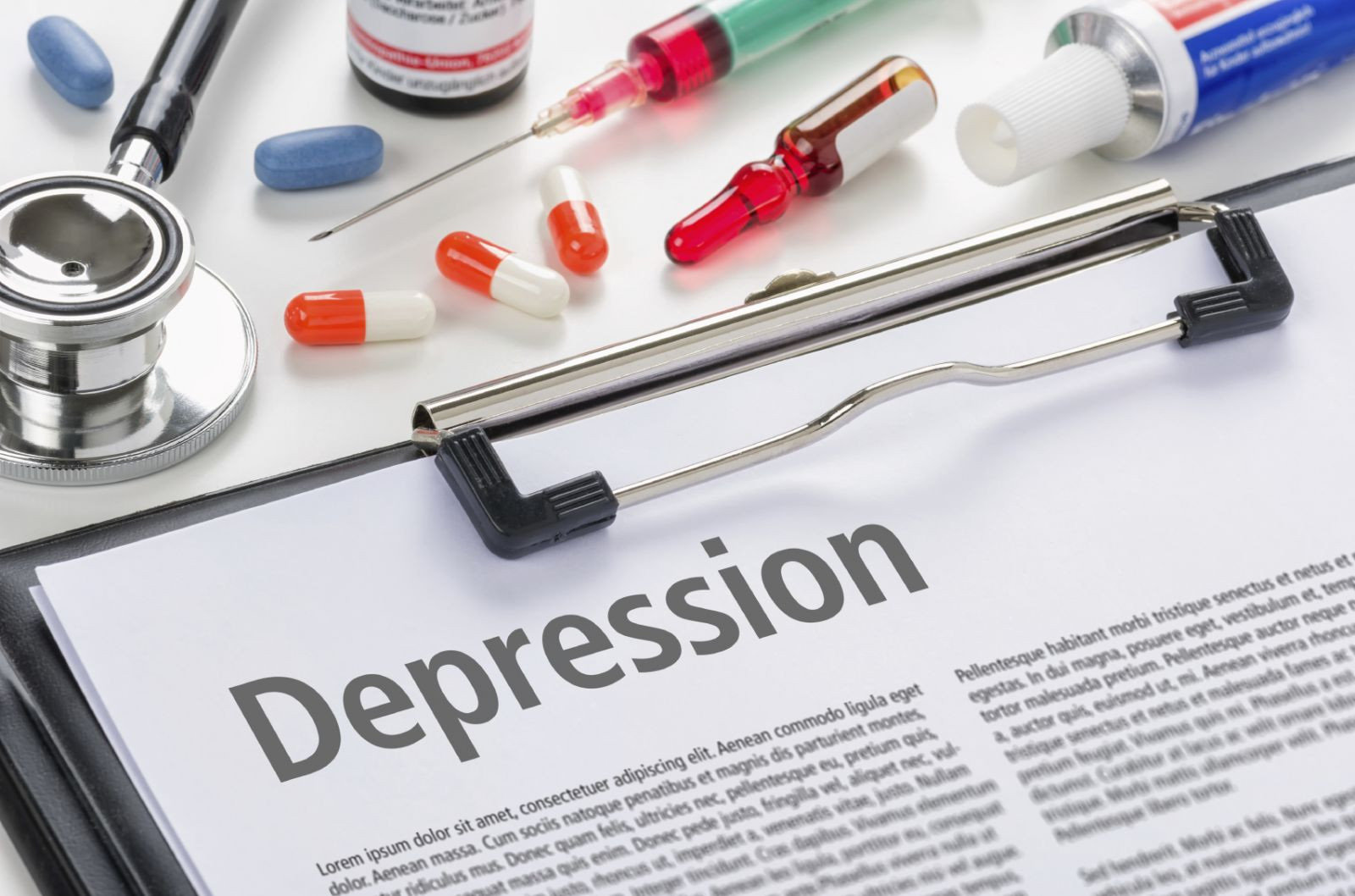
Medical science is making good progress in unraveling the biological underpinnings of depression. Someday, these discoveries may lead to lab tests that can help identify or confirm depression and other mood disorders.
Right now, doctors and therapists rely on the symptoms reported by their patients, along with clinical expertise and experience, to diagnose depression and determine a course of treatment.
Sometimes, though, additional information can help distinguish depression from other problems. That's why your doctor might recommend any of the following tests:
Whole grains may improve several heart risk factors at once
Light exposure at night may raise risk for heart disease
Children of centenarians may stay healthier and live longer too, study finds
A lumbar belt may help ease low back pain
Signs of pneumonia: Sometimes vague and unexpected
The surprising link between ovarian cancer and the fallopian tubes
Using a vibration plate: What it can — and can't — do for your body
People who walk more or walk faster live longer, study finds
Rosacea treatments: What works?
For sleep apnea, a dental device may be as effective as CPAP
Free Healthbeat Signup
Get the latest in health news delivered to your inbox!
Sign Up
