

Whole grains may improve several heart risk factors at once

Light exposure at night may raise risk for heart disease

Children of centenarians may stay healthier and live longer too, study finds

A lumbar belt may help ease low back pain

Signs of pneumonia: Sometimes vague and unexpected

The surprising link between ovarian cancer and the fallopian tubes

Using a vibration plate: What it can — and can't — do for your body

People who walk more or walk faster live longer, study finds

Rosacea treatments: What works?

For sleep apnea, a dental device may be as effective as CPAP
Mental Health Archive
Articles

How to ease the transition when you move to assisted living
Participating in activities is a good way to meet your new neighbors in an assisted living facility. Choose activities that you find interesting, or go on an outing with the group. |
Paying attention to your emotions and taking part in activities can help the move go smoothly.
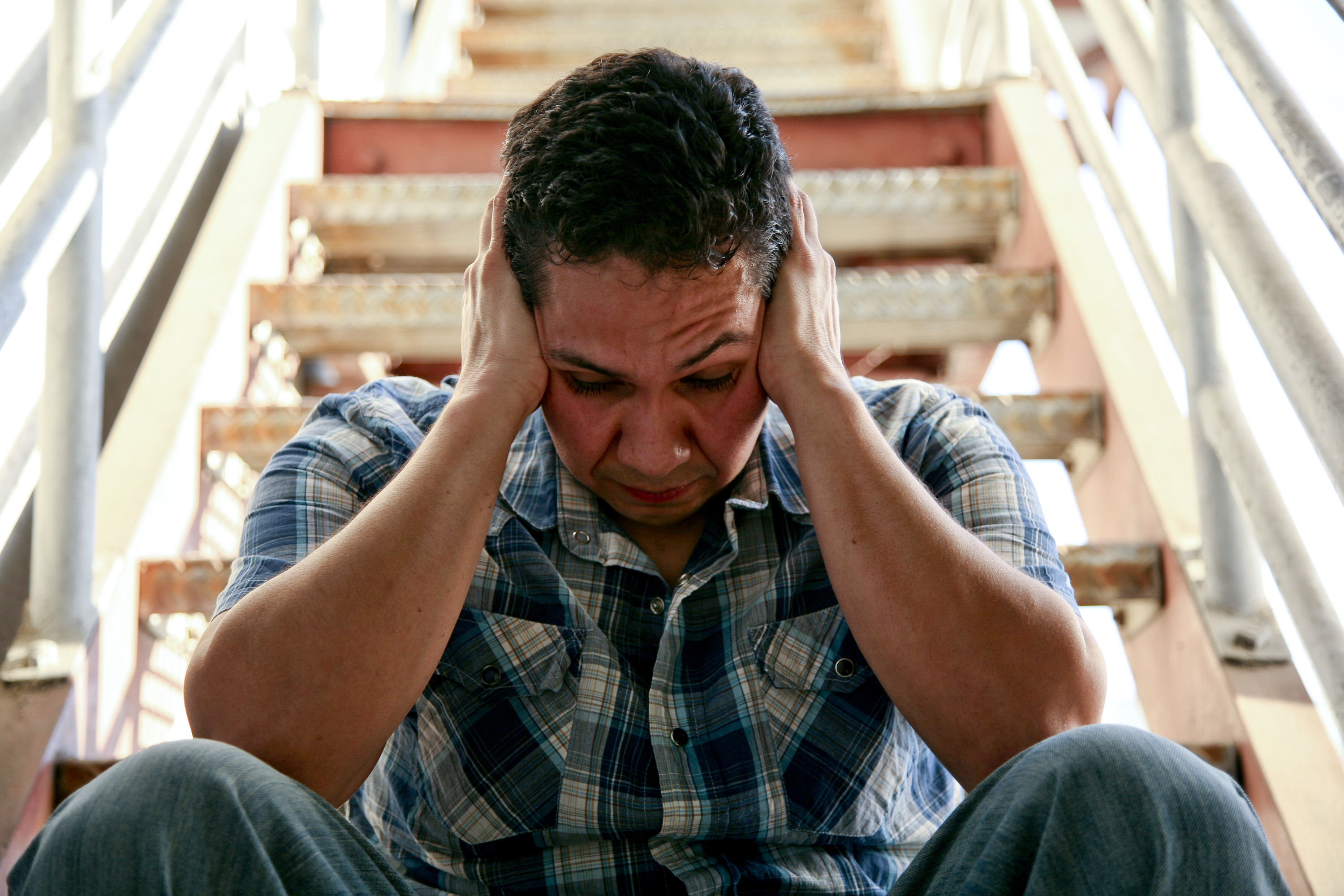
Can depression worsen RA symptoms or make treatment less effective?
Depression is fairly common among people suffering with rheumatoid arthritis (RA). Recent research suggests that depression may worsen RA symptoms and even make medications less effective. To date, the studies that indicate a connection between the severity of RA symptoms and depression have not been conclusive, so more research is needed. In the meantime, if you have RA and notice signs of depression, be sure to talk with your doctor.

If you think you’re depressed, don’t wait — find out
October 8, 2015 is National Depression Screening Day, which is the embodiment of Dr. Douglas Jacobs’s belief that screening for mental disorders should be no different than screening for other physical illnesses. If you think that you may be suffering from depression, take the first step and find out. Treatment can improve your mood, help you feel more connected, and feel more like yourself again.

A mindful worker is a happier worker
The mental health benefits of mindfulness meditation include greater engagement in your daily activities and a more positive outlook — which can in turn improve your concentration and sense of well-being. But can mindfulness practice really help employees’ mental health? A recent study says yes. Workers participating in mindfulness training found they experienced less stress, anxiety, and depression; improved sleep; fewer aches and pains; and fewer problems getting along with others.

Low-nicotine cigarettes may help determined smokers cut back
A study examining the effects of low-nicotine cigarettes on smoking behavior yielded surprising results. The study volunteers who smoked the low-nicotine cigarettes actually smoked less and had fewer cigarette cravings than those who smoked cigarettes with a higher level of nicotine. Although more research is needed before we can draw any conclusions, it’s possible that very-low-nicotine cigarettes might be a way to mitigate the health dangers of smoking for people determined not to quit.
3 ways to harness positive psychology for a more resilient you
| Image: iStock |
Some intriguing research suggests that positive psychology can help you weather the routine ups and downs of life and also build resilience for times of greater difficulty.
Here are three ways to capture the benefits of positive psychology.

Secondhand smoke boosts stroke risk
| Image: iStock |
Being near a smoker forces you to breathe what that person exhales as well as what wafts from the burning end of the cigarette. This so-called secondhand smoke has been linked to a host of health problems, including lung cancer, heart attack, and stroke. Now, a large study further validates earlier research about the risk of stroke caused by secondhand smoke.
The study, published online June 16 by the American Journal of Preventive Medicine, included nearly 22,000 people ages 45 and older. Almost a quarter of the participants reported secondhand smoke exposure, which was defined as more than one hour per week in close contact with a smoker. After adjustment for other stroke risk factors, there was a 30 percent increase in the overall risk of stroke among people exposed to secondhand smoke.

Easing grief through religion and spirituality
There are many different ways to find comfort when grieving. Some people find that spirituality or organized religion is a source of great solace. Specific rituals and rites — whether sitting shiva, setting up an altar inside your home, or gathering at the cemetery once a year — can draw people together and encourage them to share their grief. Attending religious services can link you with a well-defined community primed to offer help of all sorts. And a kind word, a willing listener, a shared meal, and any number of large and small acts of assistance help keep people afloat and ease their distress after a death.
Religious or spiritual beliefs may also help by lending larger meaning to a loved one's life and death. For some, the belief that a loved one is enjoying the spiritual riches of heaven or preparing for the next turn of the wheel through reincarnation can be comforting. Believing your loved one helps guide you in this world or that you will be reunited in another place after your own death can help you continue to feel connected with the person.

Quitting smoking doesn’t have to mean big weight gain
Weight gain might be one of the most dreaded “side effects” of quitting smoking. Constant reminders of the health dangers of being overweight lead some smokers to think that smoking is “safer” than the weight they might gain if they quit. But that’s just not the case. It’s true that people tend to gain 5-10 pounds in the first six months after they stop smoking. But a recent study suggested that for those who quit, weight gain slows down over the following 10 years after quitting. Over that same time period, people who continued to smoke also gained some weight, though not as much. Over all, kicking the habit doesn’t have to mean a larger waistline, especially if you plan ahead.
Whole grains may improve several heart risk factors at once
Light exposure at night may raise risk for heart disease
Children of centenarians may stay healthier and live longer too, study finds
A lumbar belt may help ease low back pain
Signs of pneumonia: Sometimes vague and unexpected
The surprising link between ovarian cancer and the fallopian tubes
Using a vibration plate: What it can — and can't — do for your body
People who walk more or walk faster live longer, study finds
Rosacea treatments: What works?
For sleep apnea, a dental device may be as effective as CPAP
Free Healthbeat Signup
Get the latest in health news delivered to your inbox!
Sign Up
